Gold has been pursued for millennia for its brilliance, durability, and scarcity. Evidence of gold extraction goes back over 6,000 years, making it one of the oldest and most valued precious metals of humanity. Long properties, including resistance to tarnish and reaction with common chemicals, have made gold a symbol of wealth, power, and indestructibility.
But with the advent of fake gold items, being able to find the real deal has never been more crucial. Whether it is a new piece of custom necklaces, an heirloom, or a possible investment, knowing how to test gold at home will save someone time, money, and disappointment.
This tutorial explains everything from the hallmark markings you should be looking for, how to tell if gold is real, all the way to conducting home DIY tests; times when professional equipment comes into play or when you need verification from a professional in-store jeweler will also be shown.
What You Need to Know About Real Gold
Before we delve into the tests, let's first seek to understand what makes gold different:
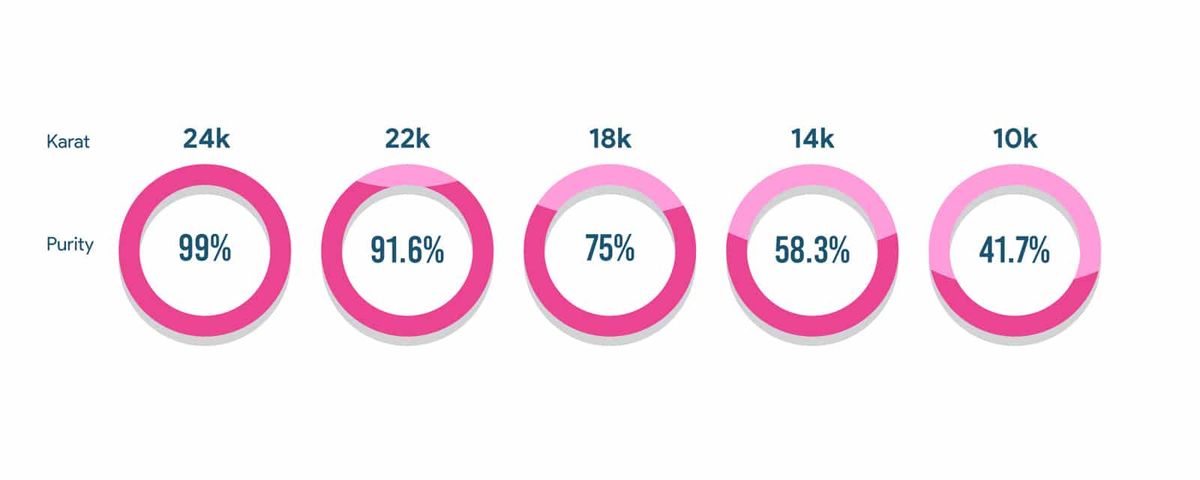
- Purity Levels: Real gold ranges from 8k (33.3% gold) to 24k (99.9% pure gold). Many "gold" items are actually base metals alloyed for strength and durability.
- Durability: Pure gold is soft and malleable; as a result, it gets scratched and dented quite easily. That is why many mixtures of metals such as copper and silver have traditionally been added to the jewels.
- Non-reactivity: Real gold is chemically inert; it doesn't react to water, air, or most of the chemicals.
1. Hallmarks or Official Markings
The easiest and most reliable way to identify real gold is to check for hallmarks or stamps. These small imprints indicate the item's gold content and origin.
Common Hallmark Types:
- Karat Markings: The purity of gold is measured in karat. It is stamped as 10k, 14k, 18k, or 24k, which is the percentage of gold in the item. For example, 18k gold is 75% pure.
- Millesimal Fineness Numbers: European and international gold items often use three-digit numbers to represent purity:
- 999 = 24k pure gold
- 916 = 22k
- 750 = 18k
- 585 = 14k
- 417 = 10k
- Manufacturer’s Mark: Many gold items also include the jeweler's or manufacturer’s initials, which you can verify online.
Important Note:
- Missing Hallmarks: These are the hallmarks that, over time, may have worn out or are simply no longer visible on the older or worn item.
- False Hallmarks: Counterfeit gold often bears fake stamps; hence, other tests will have to be conducted in confirmation of the authenticity.
2. Look Out for Markings on the Letter That Shows Fake Gold
Some letter stamps can immediately indicate that an item is not made of pure gold. These markings show that the gold is plated or alloyed with other metals:
- GP: Gold Plated
- GF: Gold Filled
- GEP: Gold Electroplated
- HGE or HEG: Heavy Gold Electroplated
If you see any of these stampings, then the item is not solid gold. Gold plating may look impressive, but it is of much lower value than solid gold.
3. Look for Discoloration on the Item
Check the gold item for discoloration where the layer of gold plating has worn away.
- Real Gold: Keeps its color and brilliance even after several years of use.
- Fake Gold or Gold-Plated Items: These may reveal silver, grey, or darker tones where the plating has rubbed off, revealing the base metal underneath.
Pay special attention to those areas that receive friction, including edges, clasps, and corners.
4. Discoloration Test on Skin
Gold is inert and will not discolor your skin. To test:
- Hold the gold item tightly in your palm for a few minutes, allowing your skin to perspire.
- Look for black, green, or blue stains on your skin.
Results:
- Real Gold: No discoloration.
- Fake Gold: The discoloration is due to the reaction between the skin's sweat and oils with non-gold metals, usually copper or nickel.
Exception: If one has makeup or lotions on, these may react with gold and leave markings, so the hands should be clean when this test is conducted.
5. Plunge the Gold in Water
The following simple density test will help you rule out a fake gold:
- Fill a glass full of water.
- Place the gold object into the water carefully.
Results:
- Real Gold: This sinks instantly; it's denser compared to water.
- Fake Gold: If it is lighter metals, it may even float or sink slowly.
Important Note: Other metals, like lead, are denser than water, so this test does not confirm purity; it helps identify obvious fakes.
6. Testing for Magnetic Properties with a Magnet
Gold is not magnetic. To check:
- Take a strong magnet, such as a neodymium magnet.
- Hold the magnet close to something in gold and see if it is attracted.
Results:
- Real Gold: Does not react to the magnet.
- Fake Gold: The magnet is attracted to it, which indicates that it contains ferromagnetic metals like iron and nickel.
Caution: The base metal of many gold counterfeit pieces is not ferrous, so additional tests will be required to verify its authenticity.
7. The Ceramic Scratch Test
The ceramic scratch test involves rubbing the gold item on an unglazed ceramic surface:
- Find an unglazed ceramic—a tile will work.
- Gently rub the gold object over the ceramic surface.
Results:
- Real Gold: Leaves a gold mark.
- Fake Gold: Leaves a black or gray streak.
Caution: This test may damage the gold item and should not be used on items of great sentimental value or obvious locations.
8. Get a Gold Testing Kit
Gold-testing kits are very inexpensive and widely available, offering a reliable way to test gold at home. There are two common types:
A. Acid Testing Kit
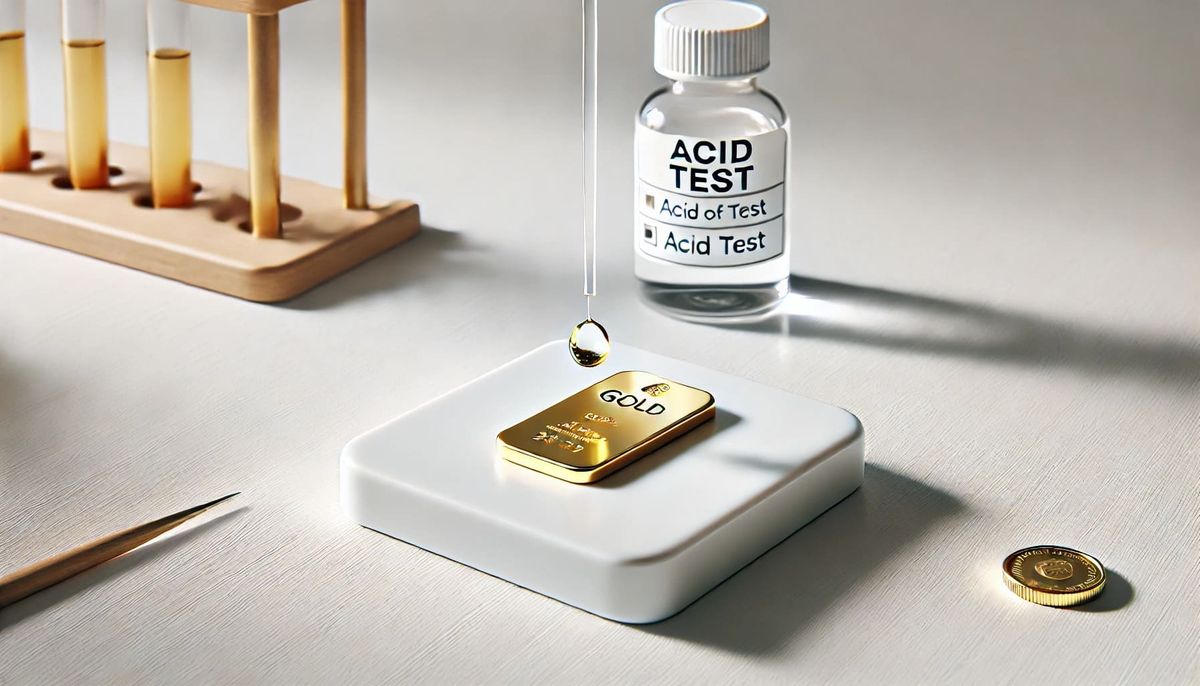
Acid Testing is done by using different types of acids to identify the actual gold purity. Directions:
- Scratch a small area of the gold piece on a test stone.
- Now place one drop of acid on the scratch mark, but use the type of acid corresponding to the purity of gold that you are testing: 10k acid, 14k acid, or 18k acid.
- Observe the reaction:
- Real Gold: The scratch mark won't be changed by the acid responding to its fineness.
- Fake Gold: The acid dissolves the scratch or discolors it.
Caution: Acid testing is dangerous and often will destroy the article. Always wear gloves and work in a well-ventilated area.
B. Electronic Testing Kit
These electronic testers make testing gold easier and more accurate. They work on the basis of electrical conductivity of the item in question. Directions:
- Apply a small amount of the provided solution to the item.
- Connect the tester probe to the item.
- Read the results via the device, which will give out the amount of gold contents in a particular item, such as 14k or 18k.
Note: Electronic testers aren't as messy as acid kits and can provide purity level results in a very short time, making them suitable for frequent gold testing.
9. Gold Sound Test
Gold has a peculiar ringing sound when hit, and this can be used to authenticate it. Here is how to conduct this test:
- Hold the gold item gently in one hand.
- Gently tap it with a small metal object like a coin or any other piece of gold.
Results:
- Real Gold: Produces a high-pitched, long-lasting “ping” sound.
- Fake Gold: Produces a dull, short sound because it does not have the unique atomic structure inherent in gold.
Pro Tip: Compare the sound of your item to a confirmed gold item for more accuracy.
10. Consult a Jeweler or Professional Equipment
If you are still in doubt after using all your at-home tests, the best thing you can do is consult a professional jeweler or use professional testing equipment.
A. Professional Gold Testing Equipment
- Spectrometers: Devices that analyze the composition of an item by shining light on it and measuring the wavelengths reflected.
- X-Ray Fluorescence: Uses X-rays to determine the exact composition of the metal without damaging the item.
- Electromagnetic Precious Metal Verifiers: Devices like the Kee Gold Tester measure the electromagnetic properties of gold to find the fakes.
These methods are foolproof but require special equipment and expertise. Most jewelers can do this service for a small fee or sometimes free of charge with a purchase.
B. Consult a Trustworthy Jeweler
A jeweler has been trained in recognizing fake gold and identifying the karat rating of your piece. This is often done by combining a visual test and professional testing tools to give you a sure answer.
Tip: If you are uncertain of the authenticity of your gold, a jeweler's evaluation is your best bet for peace of mind.
Common Tricks to Make Fake Gold
Knowing how fake gold is made can make identifying counterfeit items far easier. Here are some common tricks scammers pull:
- Gold Plating: Thin layers of gold applied over base metals like copper or tungsten.
- Gold-Filled: These have a thicker layer of gold than plating but are not solid gold.
- Alloyed Metals: Less expensive metals alloyed with gold resemble its color, such as bronze or brass.
- Tungsten Core: A tungsten core covered in a thin layer of actual gold, as tungsten has almost the same density as gold.
Knowing these methods will enable you to put several tests together to verify whether an item is genuine or not.
Frequently Asked Questions About Gold Testing
1. Is Real Gold Magnetic?
No, pure gold is not magnetic. If your item reacts to a magnet, it's likely mixed with ferromagnetic metals or entirely fake.
2. Does Real Gold Tarnish or Rust?
Being an unreactive element, gold does not tarnish or rust because it does not combine with oxygen and water. If your item shows tarnish, then it may be a gold alloy or plated gold with a reactive base metal.
3. Is It Safe to Use Acid Testing at Home?
Yes, but you need to take due precautions for safety:
- Wear gloves and goggles to prevent skin or eye irritation.
- Perform the test in a well-ventilated area to avoid inhaling fumes.
- Handle acids carefully to avoid damaging the gold item or yourself.
4. How Accurate Are At-Home Gold Tests?
These at-home tests—the magnet test, water test, or ceramic test—can rule out fake gold but won't confirm purity levels. You will need a gold-testing kit or visit a jeweler for more accurate results.
5. Can I Perform These Tests with Gold-Plated Items?
Yes, but note that most of these tests (e.g., the ceramic scratch test) will scratch off the thin layer of gold on plated items. Be careful if you want to keep the item intact.
Be Sure of the Gold's Authenticity
It can be fun, instructive, and cost-effective to test gold at home. You can identify whether your gold is real or not by various techniques, such as hallmark checking, magnet and water tests, and even a gold-testing kit. For valuable or sentimental items, consulting a professional jeweler or using advanced tools such as spectrometers or XRF analyzers provides definite results.
By following these tests and principles, you will be better prepared to evaluate your gold items, whether they are investments, personalized jewelry, or heirlooms. This knowledge ensures that you always verify the authenticity of gold, making every purchase or inheritance a confident choice.
While fake gold can sometimes look convincing, knowing how to test it ensures that you invest in real and timeless pieces. Whether it's jewelry, coins, or bars, real gold is always worth verifying.