
The Beauty and Meaning of Birth Flowers
Flowers have long been used to convey emotions, mark significant moments, and symbolize personal traits. While many people are familiar with birthstones, birth flowers offer a unique and meaningful way to connect with nature and history. Each month of the year is associated with one or two flowers, carefully chosen for their seasonal bloom and symbolic meaning.
Understanding your birth flower can provide insight into your personality, values, and even cultural traditions tied to the bloom. Whether you’re looking for a sentimental gift, planning floral decor, or simply curious about the tradition, this comprehensive guide explores each birth flower's history, symbolism, cultural importance, and fun facts.
So, let’s dive into the world of birth flowers and their hidden meanings! 🌸
Table of Contents
- 🌸 January: Carnation & Snowdrop
- 🌼 February: Violet & Primrose
- 🌻 March: Daffodil
- 🌷 April: Daisy & Sweet Pea
- 🌿 May: Lily of the Valley & Hawthorn
- 🌺 June: Rose & Honeysuckle
- 🌿 July: Larkspur & Water Lily
- 🌾 August: Gladiolus & Poppy
- 🌸 September: Aster & Morning Glory
- 🌿 October: Marigold & Cosmos
- 🌺 November: Chrysanthemum
- 🎄 December: Narcissus & Holly
🌸 January: Carnation & Snowdrop
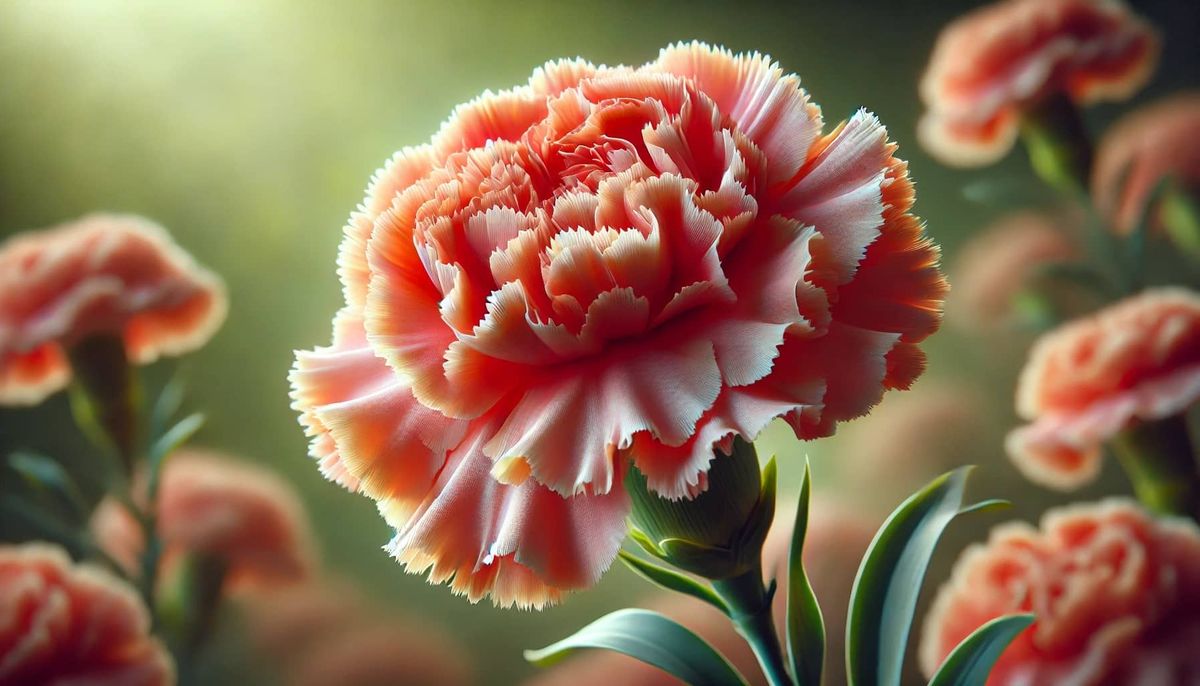
Carnation (Dianthus caryophyllus) – A Symbol of Love and Devotion
Carnations are among the most popular flowers worldwide, known for their delicate, ruffled petals and long-lasting blooms. Their scientific name, Dianthus, comes from the Greek words dios (divine) and anthos (flower), meaning "divine flower." Carnations have been cherished for centuries, from ancient Greek ceremonies to modern-day Mother’s Day bouquets.
Symbolism & Meanings
- Love, admiration, and devotion
- Different colors carry unique meanings:
- Red: Deep love and passion
- White: Purity and good luck
- Pink: Gratitude and motherly love
Cultural Significance
- In Christianity, pink carnations are believed to have bloomed from the Virgin Mary’s tears, making them a symbol of a mother’s love.
- In Korea, red and pink carnations are given to parents on Parents’ Day to express gratitude.
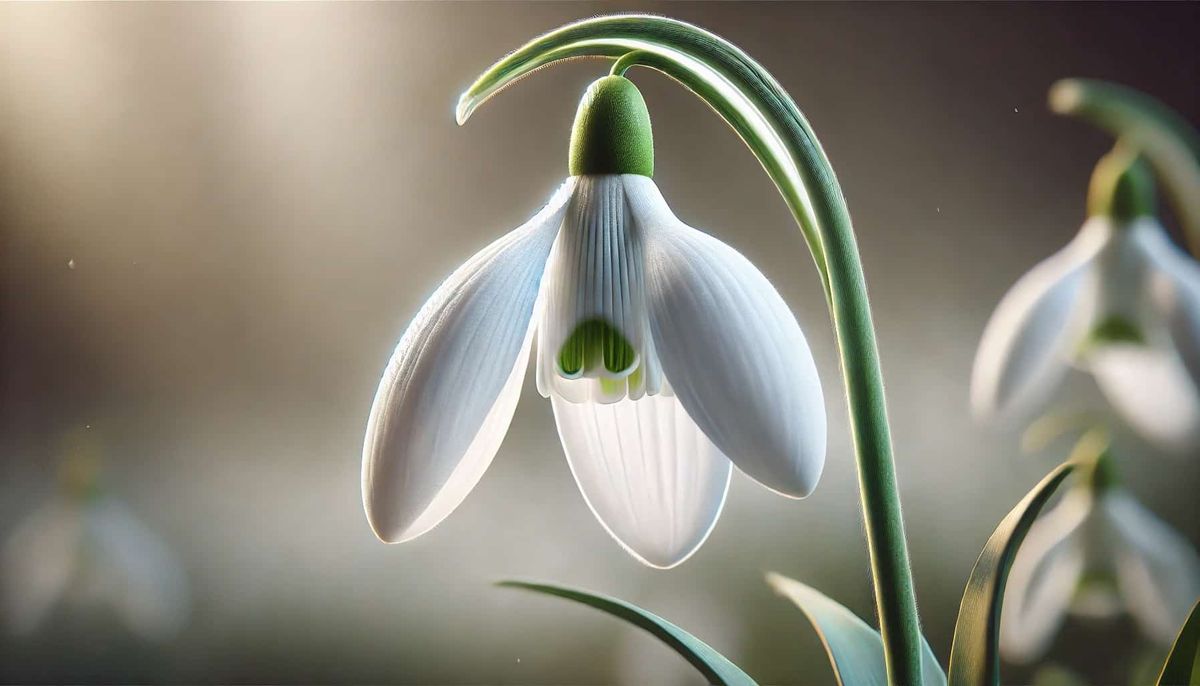
Snowdrop (Galanthus) – A Harbinger of Hope
Unlike the bold carnation, the snowdrop is a delicate, bell-shaped flower that thrives in the cold winter months. Often the first flower to bloom after winter, it represents hope, renewal, and new beginnings.
Symbolism & Meanings
- Hope and resilience
- Purity and innocence
- New beginnings and renewal
Cultural Significance
- In Victorian England, snowdrops symbolized both hope and mourning, often found in graveyards.
- In Eastern Europe, snowdrops are seen as good luck charms, bringing protection against bad omens.
🌼 February: Violet & Primrose
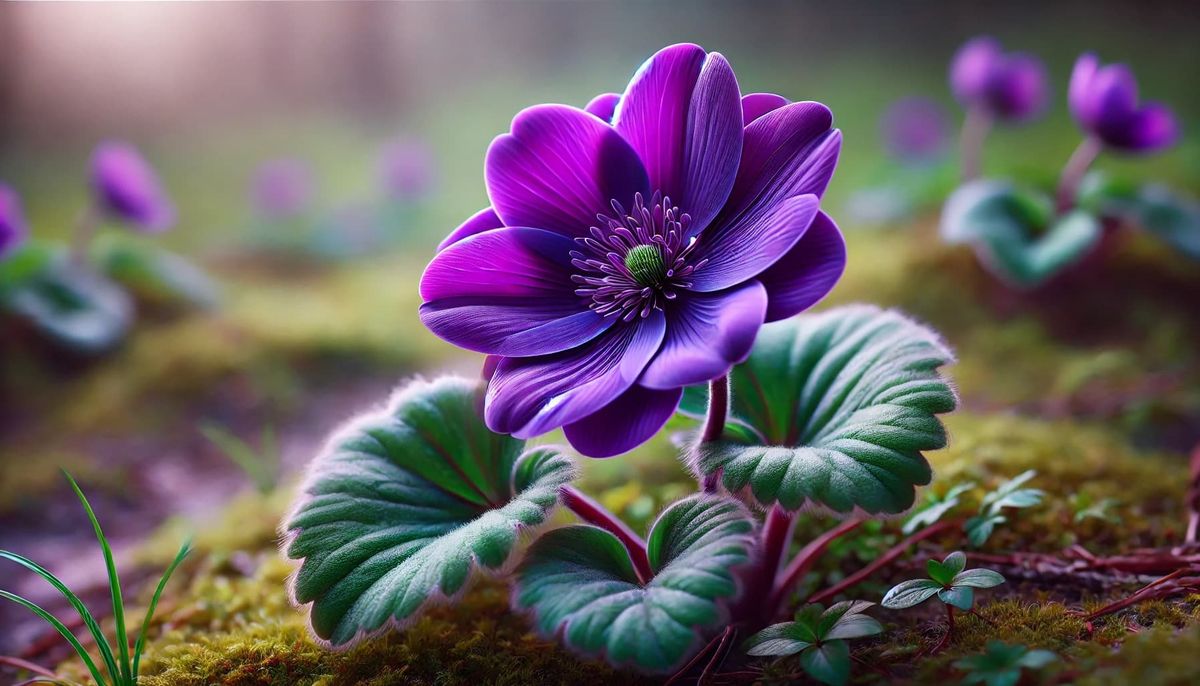
Violet (Viola) – A Flower of Loyalty and Humility
Violets have been admired for centuries, appearing in myths, literature, and religious stories. Their deep purple petals and heart-shaped leaves have made them a symbol of love and humility.
Symbolism & Meanings
- Loyalty and faithfulness
- Wisdom and spirituality
- Humility and modesty
Cultural Significance
- Ancient Greeks used violets in love potions and associated them with Aphrodite, the goddess of love.
- In medieval times, violets were known as “Our Lady’s Modesty”, linking them to the Virgin Mary.
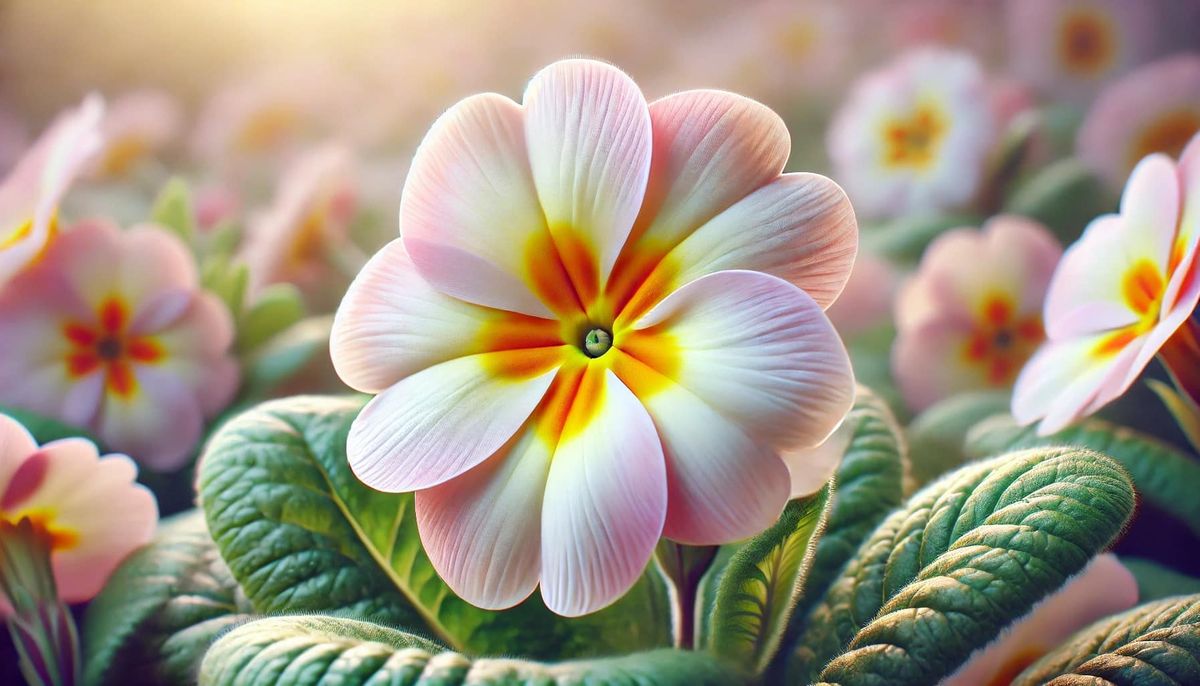
Primrose (Primula vulgaris) – The First Sign of Spring
The primrose is a soft, pastel-colored bloom that emerges early in spring, symbolizing new beginnings and youth. The name "primrose" comes from the Latin “prima rosa”, meaning “first rose”.
Symbolism & Meanings
- Young love and devotion
- New beginnings and hope
- Protection and guidance
Cultural Significance
- In Celtic folklore, primroses were placed at doorways to ward off evil spirits.
- In Victorian England, giving someone a primrose meant "I can’t live without you."
🌻 March: Daffodil & Jonquil – Flowers of Rebirth and Affection
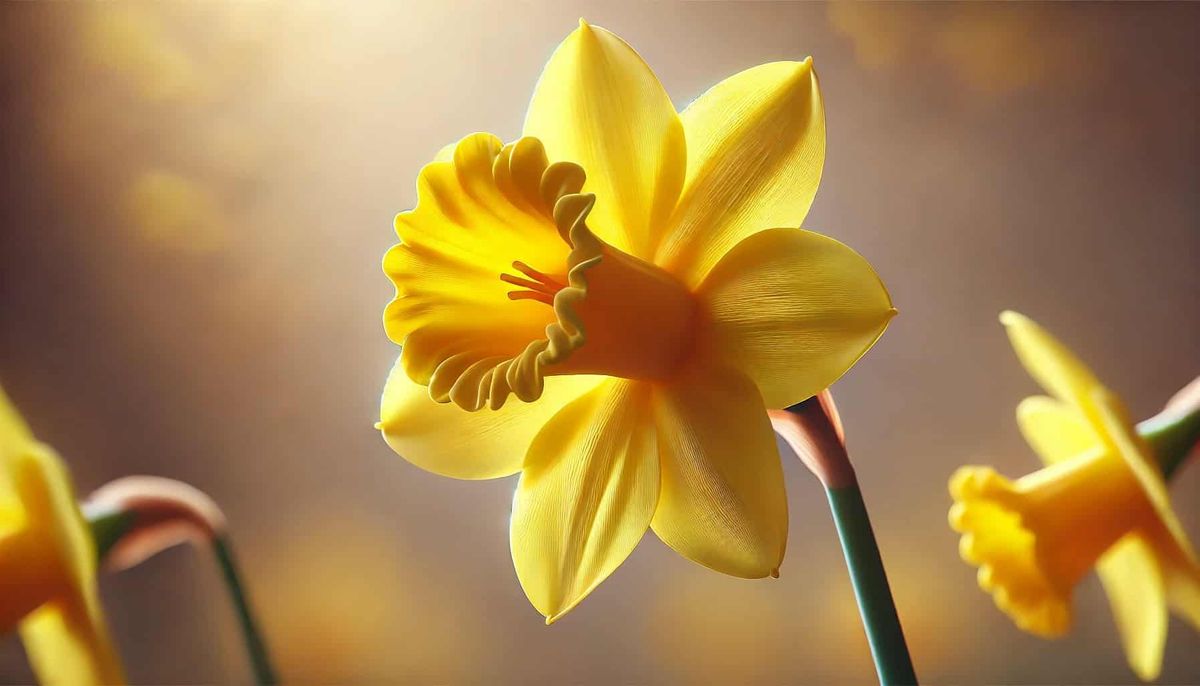
Daffodil (Narcissus) – The Arrival of Spring
Daffodils, with their bright yellow petals and trumpet-shaped centers, are one of the most recognized spring flowers. They symbolize renewal, positivity, and joy, making them a perfect birth flower for March, a month of seasonal change.
Symbolism & Meanings
- Rebirth and new beginnings
- Happiness and optimism
- Good fortune and prosperity
Cultural Significance
- In Chinese culture, daffodils symbolize wealth and good fortune, especially during Lunar New Year celebrations.
- In Greek mythology, the flower is linked to Narcissus, a young man who fell in love with his own reflection.
Fun Fact:
In Wales, daffodils are the national flower, and spotting the first daffodil of spring is said to bring wealth for the year ahead.
🌿 Jonquil (Narcissus jonquilla) – A Flower of Affection & Desire
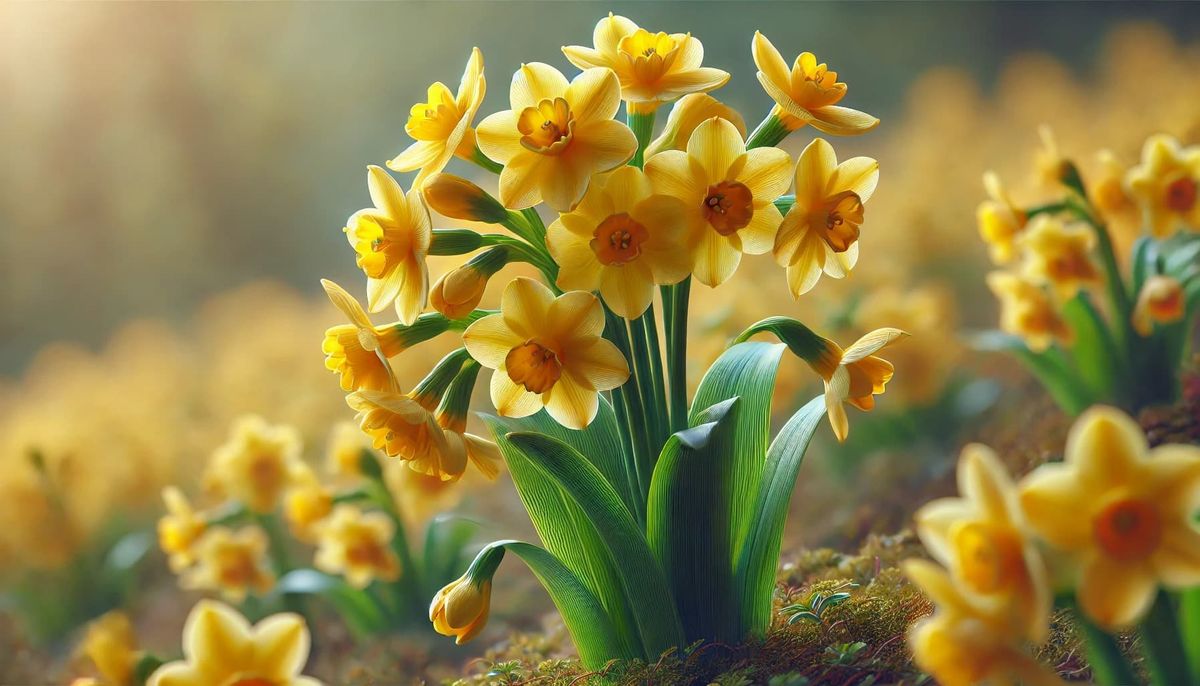
Jonquils, a perfumed variety of Narcissus, are similar to daffodils, with the only exception being there being several small flowers on each stem and a stronger fragrance. They symbolize affection, sympathy, and deep yearning, and hence, are a perfect gift for someone whom you appreciate.
Symbolism and Interpretation
- Deep love and sympathy
- Desire and love
- Spiritual awakening
Cultural Significance
- In terms of victorian bouquet nomenclature, jonquils represented asking for love in return.
- In ancient times, jonquils had been associated with mourning practices, where they symbolized the passage of the soul into the afterlife.
- In Persian traditions, jonquils represent concealed love and desire.
Fun Fact:
- Unlike other daffodils, jonquils are heavily perfumed and very scented and are widely used in perfection of perfumes.
🌷 April: Daisy & Sweet Pea
Daisy (Bellis perennis) – A Flower of Innocence
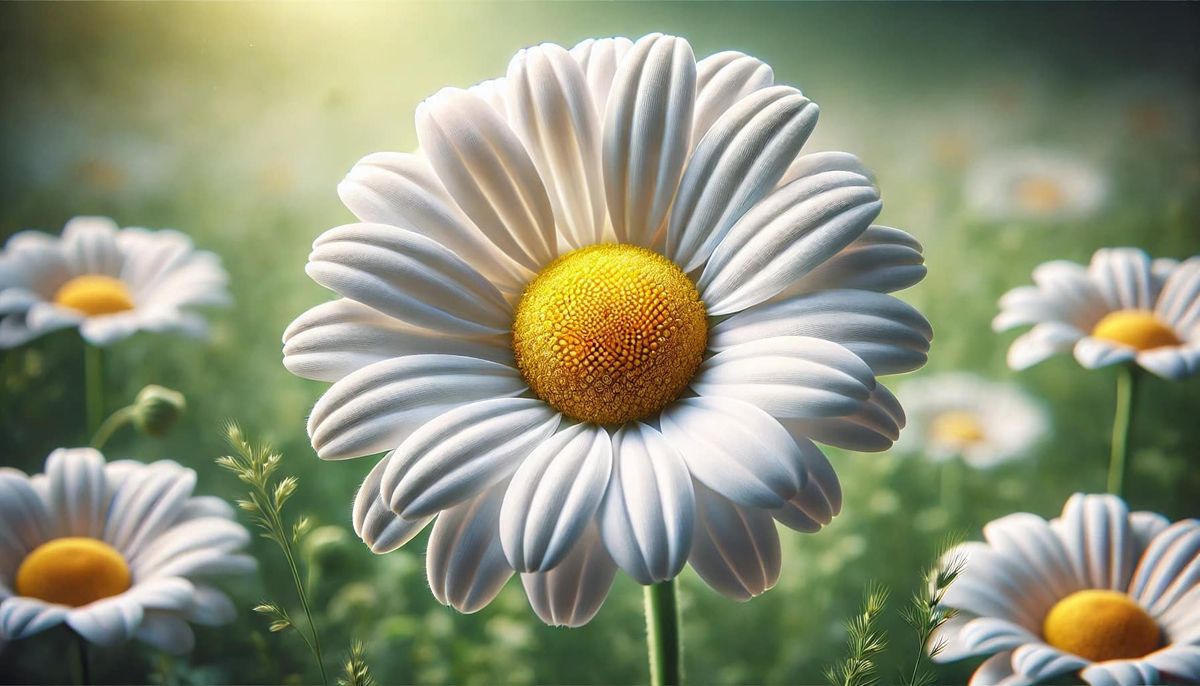
Daisies are simple yet cheerful flowers that symbolize purity, innocence, and new beginnings. The name "daisy" comes from the Old English "day’s eye", as the flower opens in the morning and closes at night.
Symbolism & Meanings
- Innocence and purity
- New beginnings and youth
- Loyalty and cheerfulness
Cultural Significance
- In Norse mythology, daisies were associated with Freya, the goddess of love and fertility.
- In Victorian flower language, daisies symbolized keeping a secret or true loyalty.
Sweet Pea (Lathyrus odoratus) – A Token of Gratitude
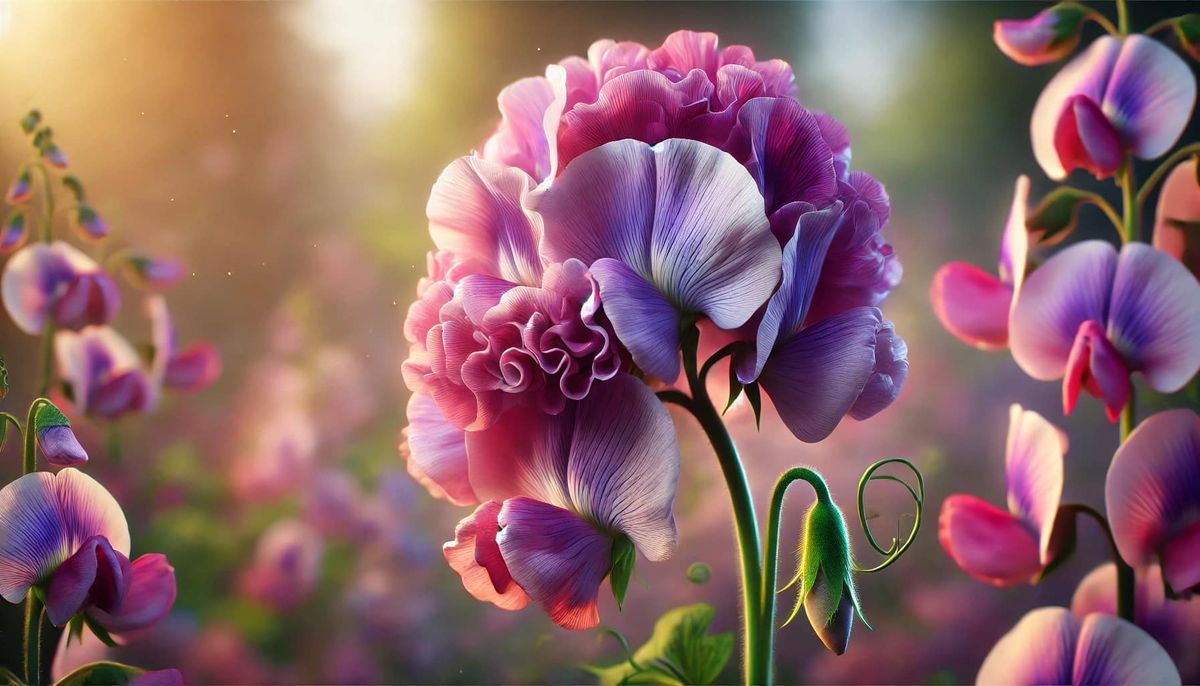
Sweet peas are known for their delicate petals and intoxicating fragrance. Their soft pastel hues make them a favorite in bouquets.
Symbolism & Meanings
- Blissful pleasure and gratitude
- Farewell and appreciation
- Delicate beauty
Cultural Significance
- In France, sweet peas are often given to brides for good luck.
- In the Victorian era, they were associated with saying goodbye gracefully.
🌿 May: Lily of the Valley & Hawthorn
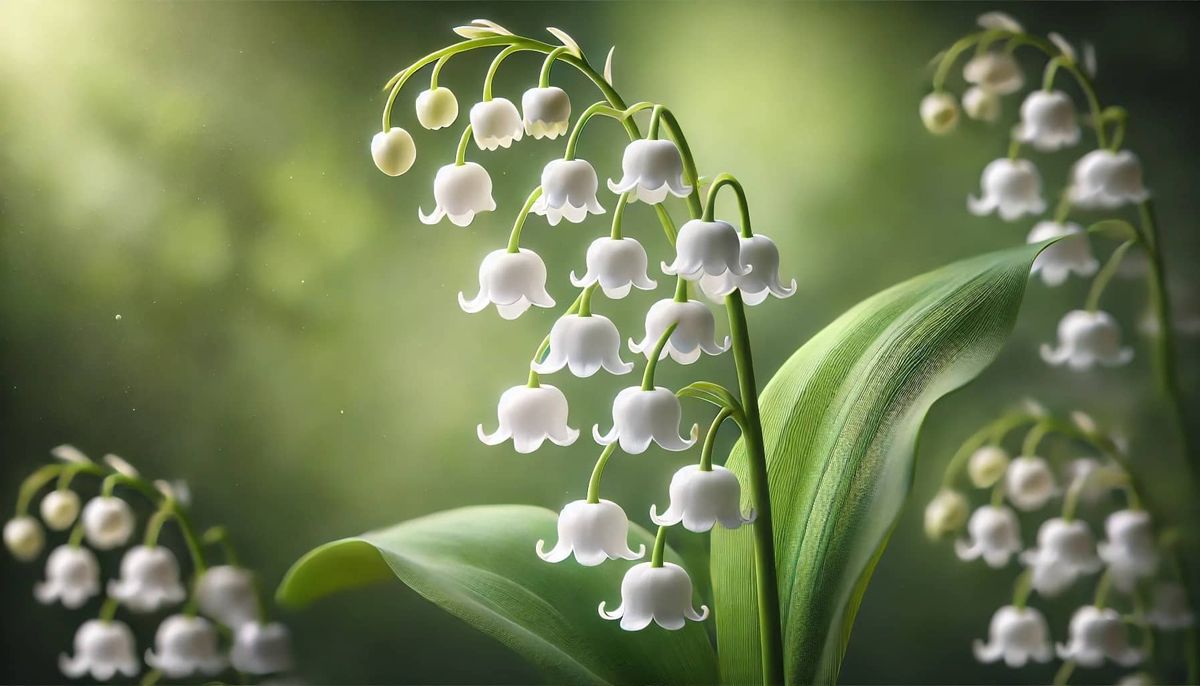
Lily of the Valley (Convallaria majalis) – A Symbol of Sweetness & Humility
Delicate, bell-shaped, and sweetly scented, Lily of the Valley is one of the most beloved springtime flowers. Its pure white petals and gentle fragrance have made it a symbol of humility, happiness, and renewal.
Symbolism & Meanings
- Sweetness and purity
- Return to happiness
- Good luck and protection
Cultural Significance
- In France, May 1st is known as La Fête du Muguet (Lily of the Valley Day), where people give bouquets of these flowers to loved ones for good fortune.
- In Christianity, the flower is called “Our Lady’s Tears,” as legend says it grew from the tears of the Virgin Mary at the crucifixion of Jesus.
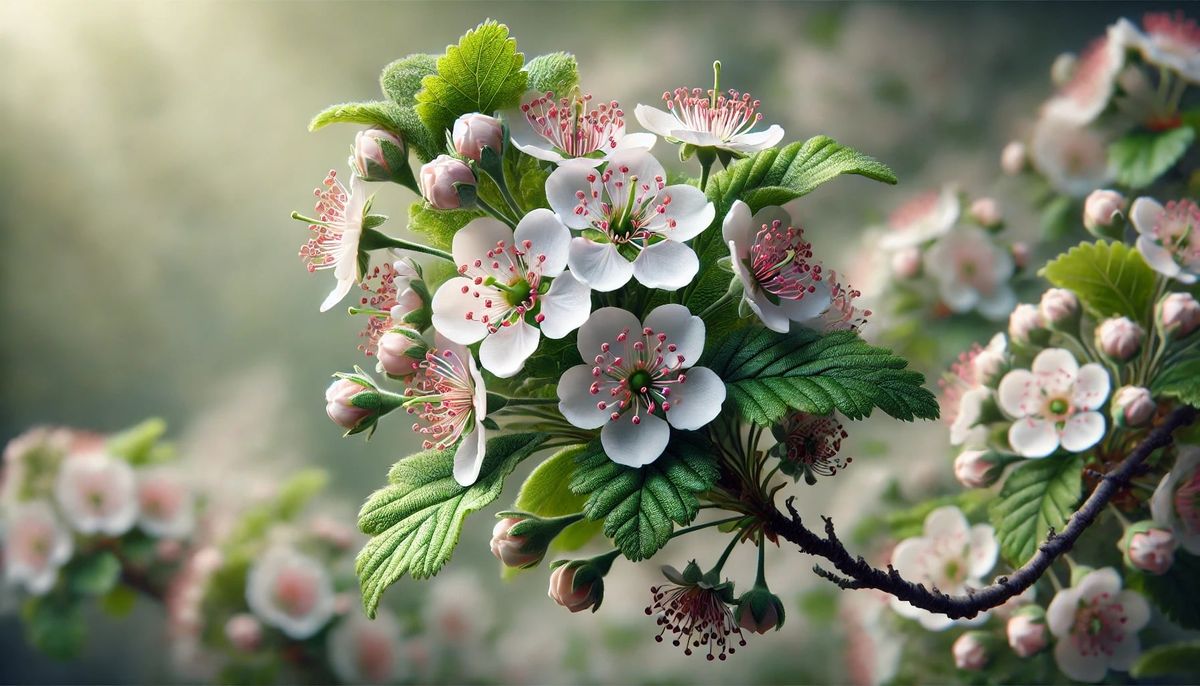
Hawthorn (Crataegus) – The Tree of Protection
Not just a flower, Hawthorn is a tree covered in clusters of tiny white or pink flowers, known for its healing properties and mystical folklore.
Symbolism & Meanings
- Hope and happiness
- Protection and guidance
- Love and marriage blessings
Cultural Significance
- In Celtic mythology, Hawthorn trees were believed to be the dwelling places of fairies, and cutting them down was considered bad luck.
- In ancient Rome, Hawthorn branches were used in wedding ceremonies to bless the couple.
🌺 June: Rose & Honeysuckle
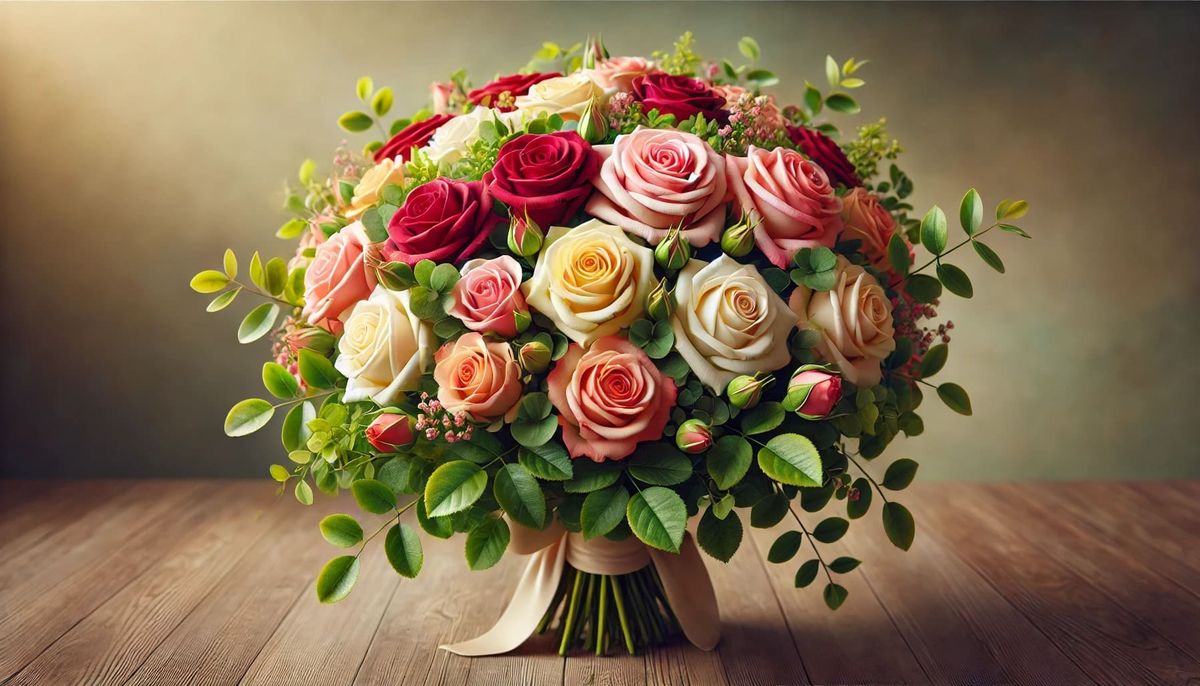
Rose (Rosa) – The Ultimate Flower of Love
Perhaps the most famous of all flowers, roses have symbolized love, beauty, and passion for thousands of years. With their soft, velvety petals and intoxicating scent, roses remain a timeless favorite.
Symbolism & Meanings
- Love and romance (Red Rose)
- Friendship and joy (Yellow Rose)
- Purity and new beginnings (White Rose)
Cultural Significance
- Ancient Romans used roses in celebrations, covering banquet halls with petals.
- The War of the Roses (England, 15th century) featured the White Rose of York and the Red Rose of Lancaster as symbols of rival factions.
- In Persian poetry, roses represent deep love and spiritual longing.
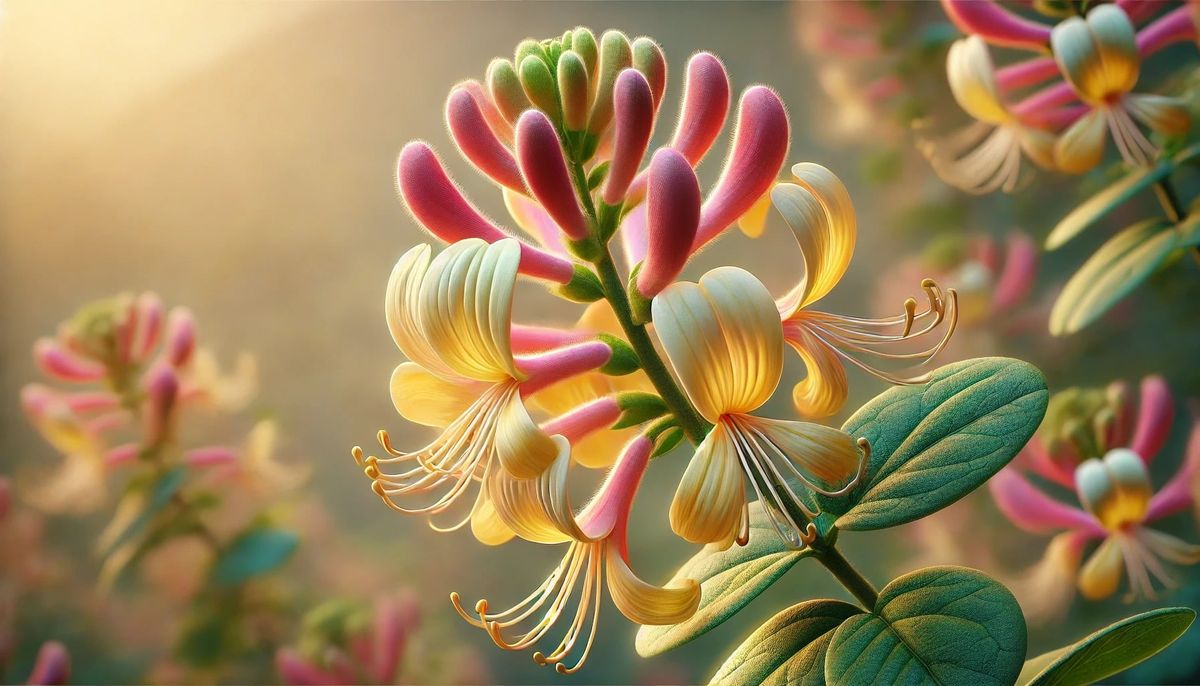
Honeysuckle (Lonicera) – A Symbol of Everlasting Bonds
Known for its sweet fragrance and climbing vines, honeysuckle represents devotion and strong emotional bonds.
Symbolism & Meanings
- Everlasting love
- Generosity and protection
- Happiness and sweetness
Cultural Significance
- In Victorian England, giving honeysuckle meant “your love is sweet and true.”
- Celtic folklore held that honeysuckle growing near a home would protect it from evil spirits.
🌿 July: Larkspur & Water Lily
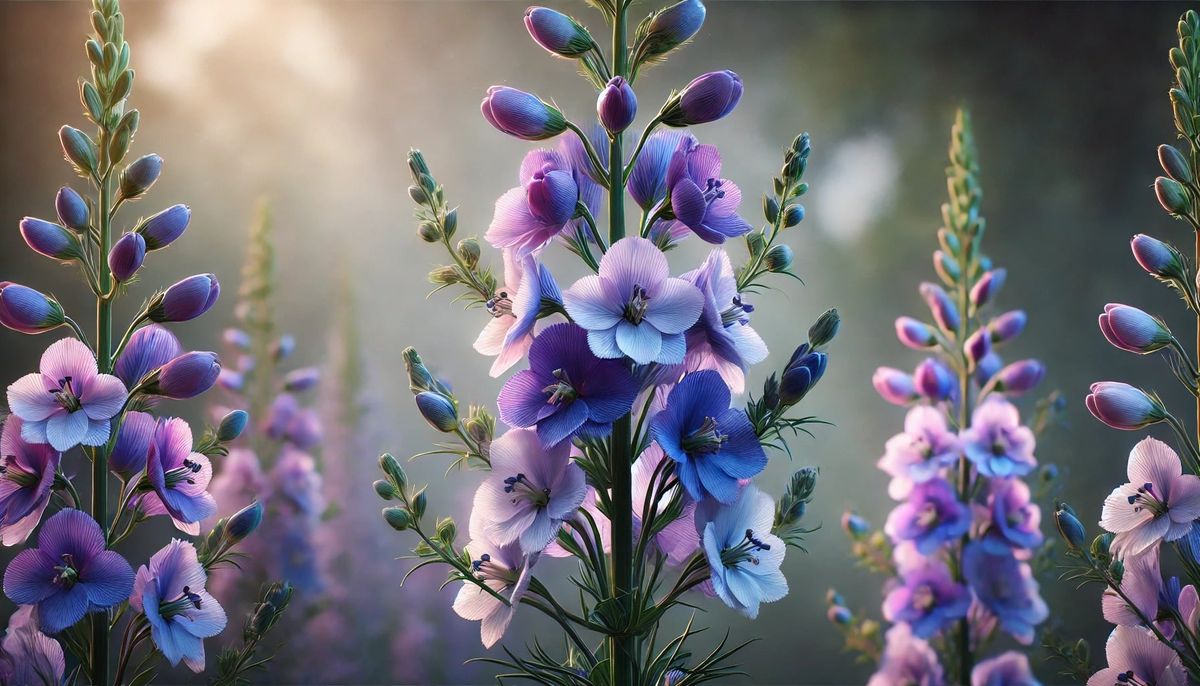
Larkspur (Delphinium) – A Flower of Positivity
Larkspur is a tall, elegant flower that comes in shades of blue, purple, pink, and white. It symbolizes an open heart and strong bonds of love.
Symbolism & Meanings
- Positivity and cheerfulness
- Open-heartedness and sincerity
- Strong romantic or platonic bonds
Cultural Significance
- In Greek mythology, larkspur was said to have sprouted from the blood of Ajax, a hero of the Trojan War.
- Native Americans used larkspur to ward off scorpions and other dangers.
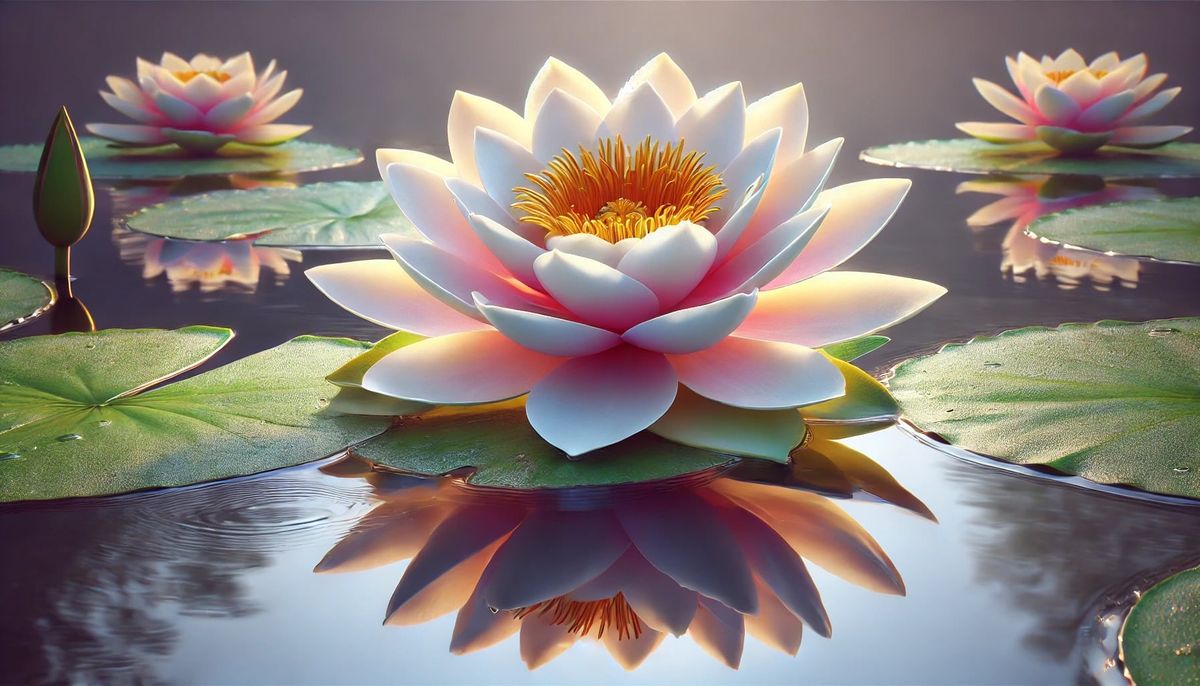
Water Lily (Nymphaea) – A Sacred Flower of Purity
Floating serenely on water surfaces, water lilies are deeply tied to spirituality and transformation.
Symbolism & Meanings
- Enlightenment and peace
- Renewal and rebirth
- Purity of heart
Cultural Significance
- In Buddhism, water lilies symbolize spiritual enlightenment, as they bloom from the mud but remain untouched by dirt.
- The ancient Egyptians worshipped the blue water lily, believing it was connected to the sun god Ra.
🌾 August: Gladiolus & Poppy
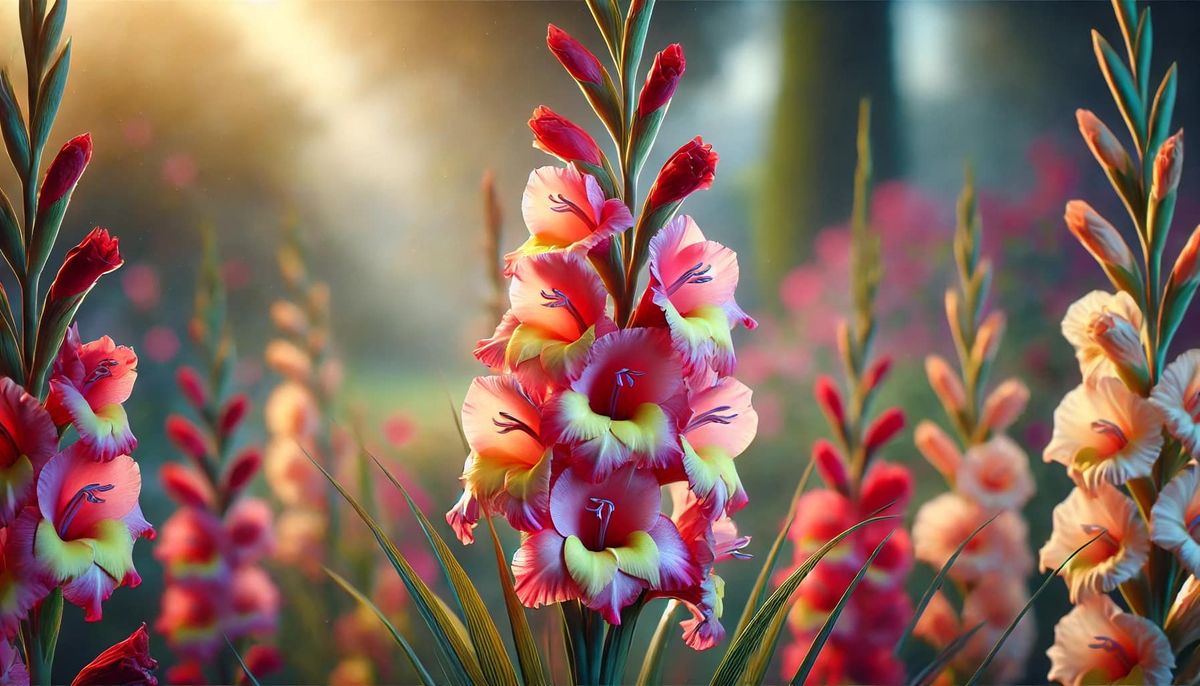
Gladiolus (Gladiolus) – A Symbol of Strength and Honor
With its tall, sword-like leaves, gladiolus symbolizes strength, honor, and integrity. The name comes from the Latin “gladius”, meaning sword, as the plant was associated with Roman gladiators.
Symbolism & Meanings
- Strength and moral integrity
- Victory and determination
- Romantic infatuation
Cultural Significance
- In ancient Rome, gladiators wore gladiolus flowers as a symbol of strength and courage.
- Victorian lovers would send gladiolus flowers to say, “You have pierced my heart.”
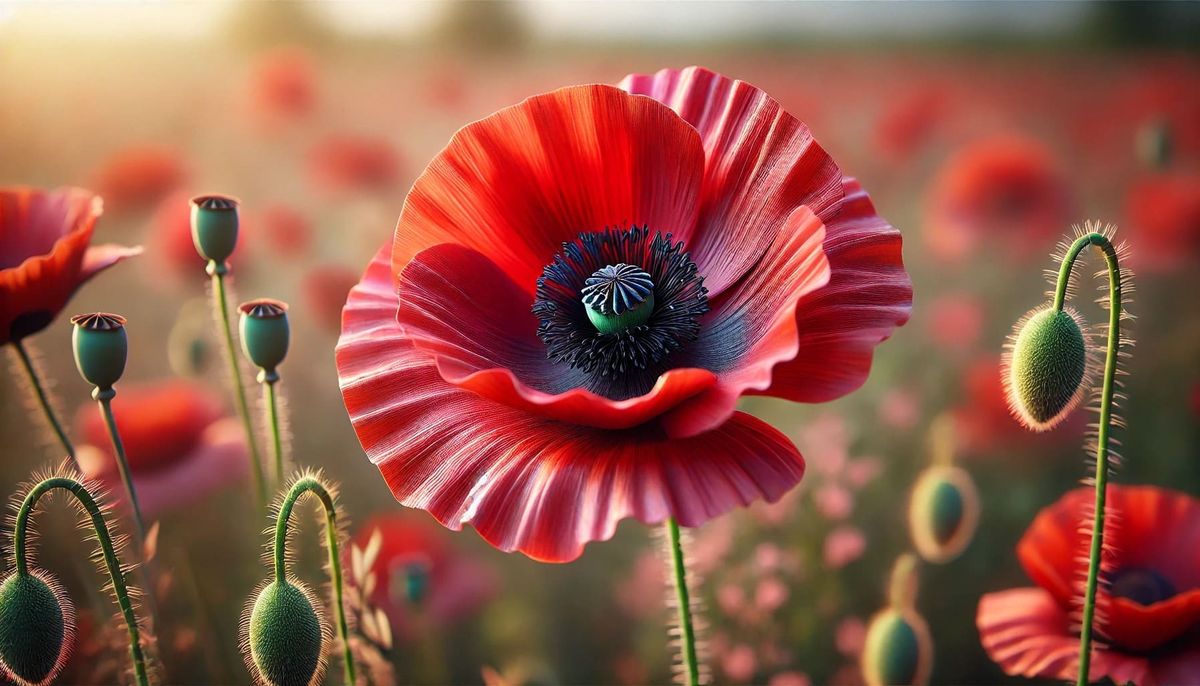
Poppy (Papaver) – A Flower of Remembrance
Poppies are vibrant, delicate flowers that symbolize both peace and remembrance.
Symbolism & Meanings
- Eternal sleep and peace
- Remembrance of fallen soldiers
- Resilience and strength
Cultural Significance
- In World War I and II, poppies became a symbol of remembrance due to the famous poem “In Flanders Fields.”
- In ancient Greece, poppies were linked to Hypnos, the god of sleep, as they were used for their medicinal properties.
🌸 September: Aster & Morning Glory
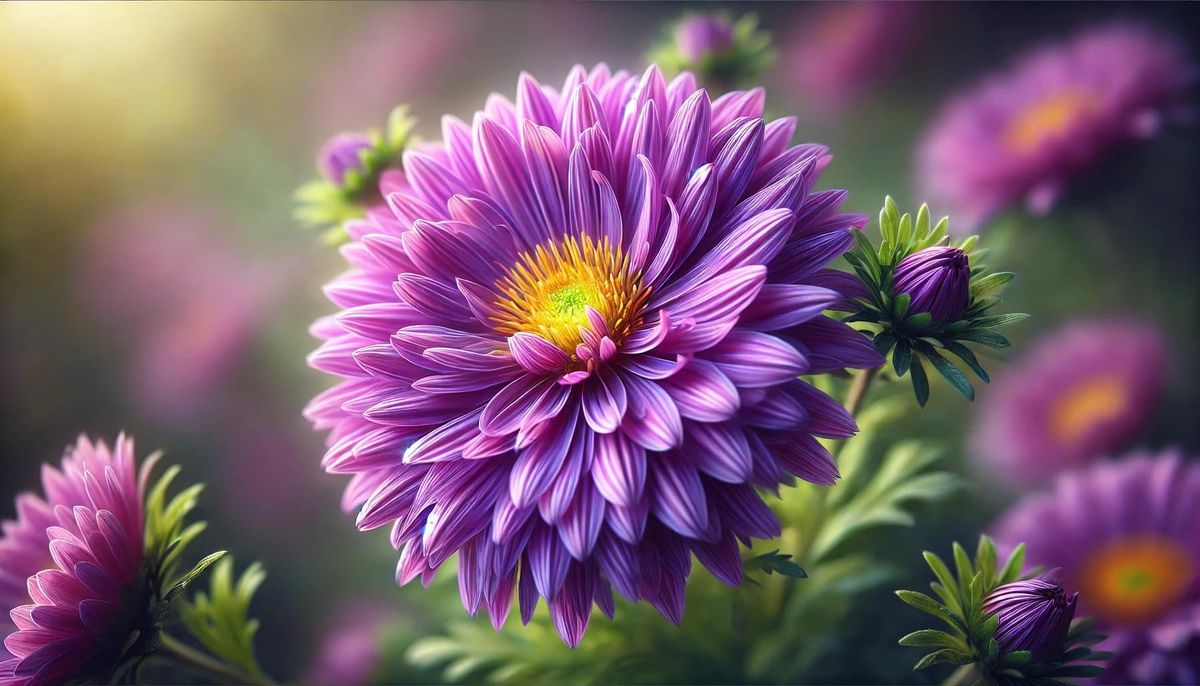
Aster (Aster) – A Symbol of Wisdom and Love
Asters, resembling daisies with star-shaped petals, are known for their deep symbolism and long history in mythology. The name “aster” comes from the Greek word for star, and these flowers have long been associated with wisdom, love, and patience.
Symbolism & Meanings
- Wisdom and intelligence
- Everlasting love and faith
- Patience and good fortune
Cultural Significance
- In Greek mythology, asters were believed to have grown from the tears of the goddess Astraea, who wept when she saw no stars in the sky.
- In Victorian flower language, giving asters symbolized a wish for love and happiness.
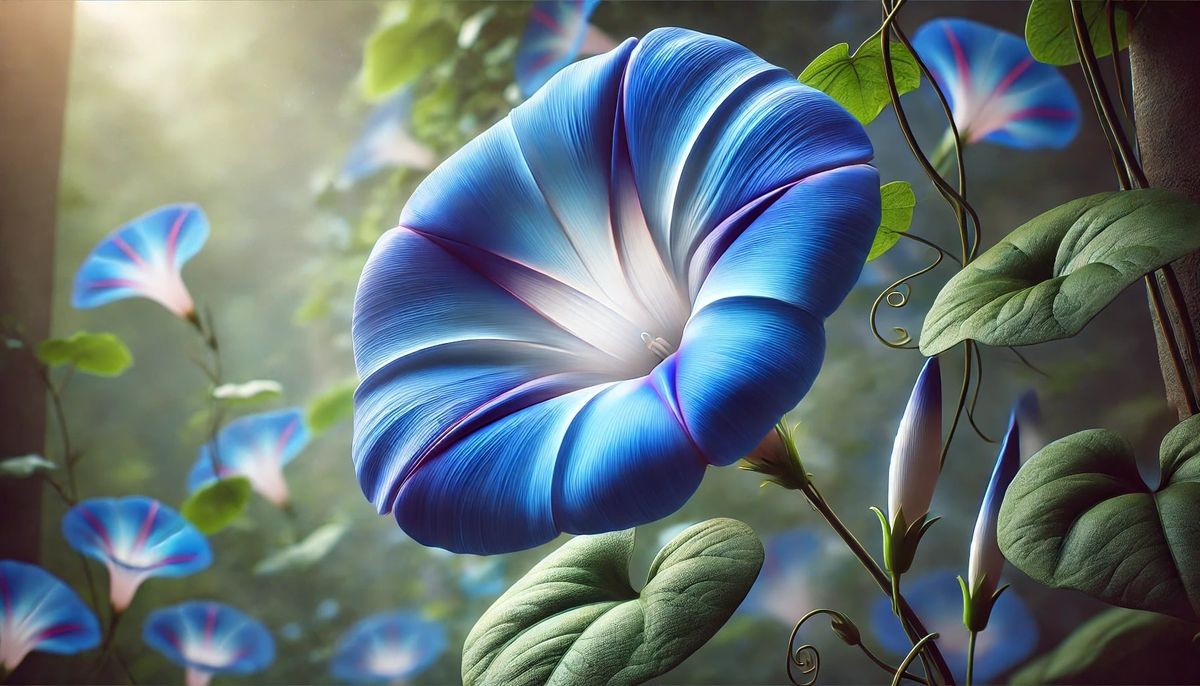
Morning Glory (Ipomoea) – A Flower of Devotion
Morning glories are delicate, trumpet-shaped flowers that bloom in the morning and close by evening, symbolizing renewal and fleeting beauty.
Symbolism & Meanings
- Love and devotion
- Renewal and new beginnings
- The passing of time
Cultural Significance
- In China, morning glories symbolize lovers who can only meet once a year, much like the famous Qixi Festival legend.
- In Victorian times, morning glories represented unfulfilled love or the bittersweet nature of fleeting moments.
🌿 October: Marigold & Cosmos
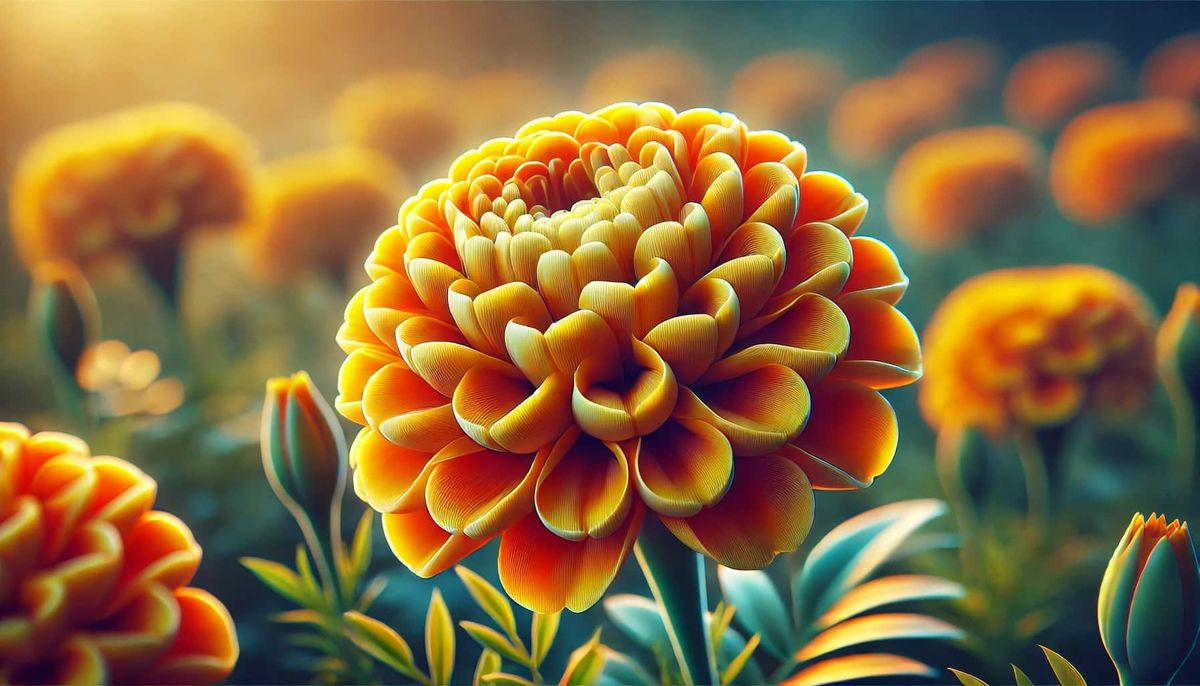
Marigold (Tagetes) – The Flower of Passion and Warmth
Marigolds, with their vibrant orange and gold hues, are often linked to the sun and life energy. They symbolize passion, creativity, and warmth, making them a perfect birth flower for October.
Symbolism & Meanings
- Passion and creativity
- Warmth and positivity
- Remembrance and honoring ancestors
Cultural Significance
- In Mexico, marigolds are known as Cempasúchil and play a central role in Día de los Muertos (Day of the Dead) celebrations, where they are used to guide the spirits of loved ones.
- In Hindu traditions, marigolds are offered in temples as symbols of devotion and divine blessings.
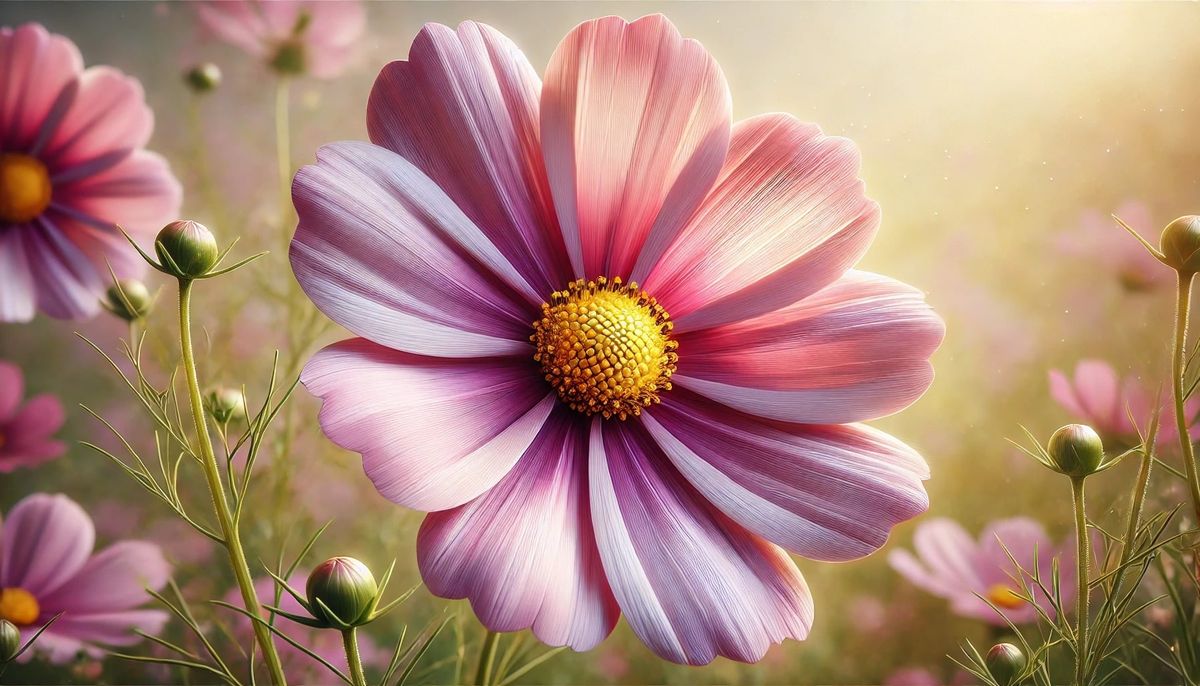
Cosmos (Cosmos) – A Flower of Harmony and Balance
Cosmos flowers, with their soft, symmetrical petals, represent order, peace, and beauty. Their name comes from the Greek word for “harmony”, making them symbols of balance and tranquility.
Symbolism & Meanings
- Harmony and balance
- Beauty and tranquility
- Inner peace and wholeness
Cultural Significance
- In Victorian flower language, cosmos symbolized a calm and peaceful nature.
- Cosmos flowers are often associated with the spiritual connection between the earth and the universe.
🌺 November: Chrysanthemum – A Flower of Joy and Longevity
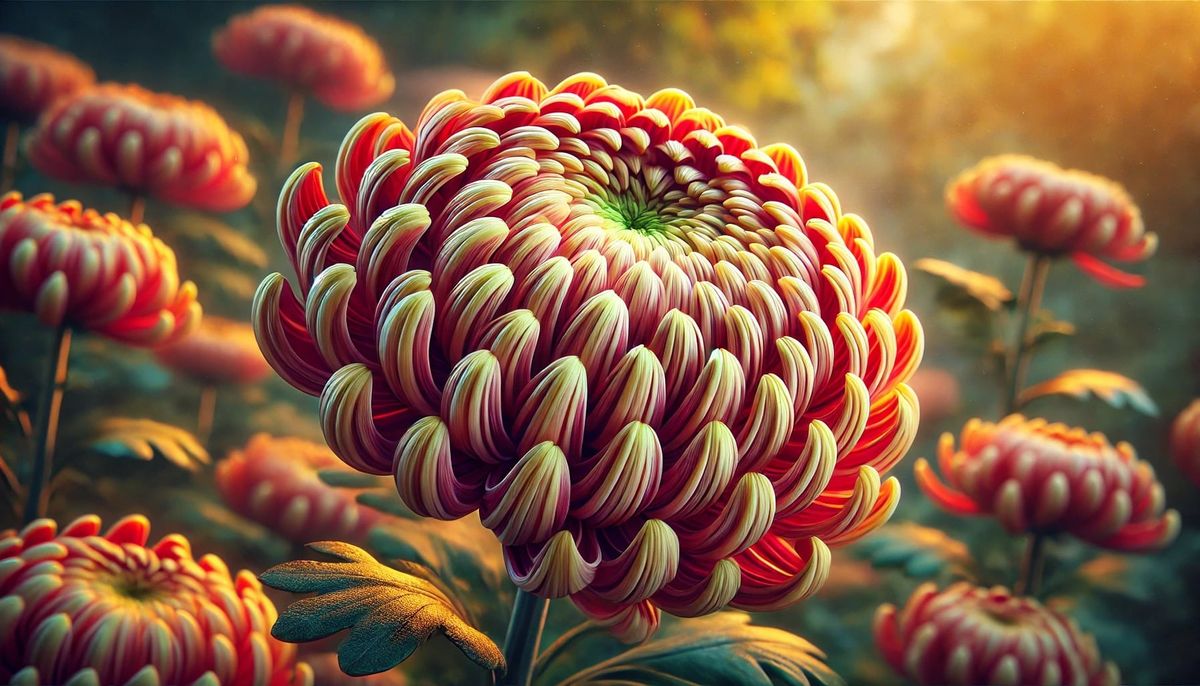
Chrysanthemum (Chrysanthemum) – A Symbol of Happiness and Friendship
Chrysanthemums, commonly known as “mums”, are one of the most celebrated flowers in Asian and Western cultures. Their bright colors and full petals make them symbols of joy, longevity, and loyalty.
Symbolism & Meanings
- Happiness and joy
- Longevity and vitality
- Friendship and loyalty
Cultural Significance
- In China and Japan, chrysanthemums are symbols of long life and wisdom, often used in festivals and celebrations.
- In many European countries, chrysanthemums are associated with remembrance and are used in funeral ceremonies.
- In the United States, chrysanthemums symbolize cheerfulness and gratitude, making them popular in fall decorations.
Fun Fact:
The Imperial Seal of Japan features a chrysanthemum with 16 petals, symbolizing nobility and honor.
🎄 December: Narcissus & Holly
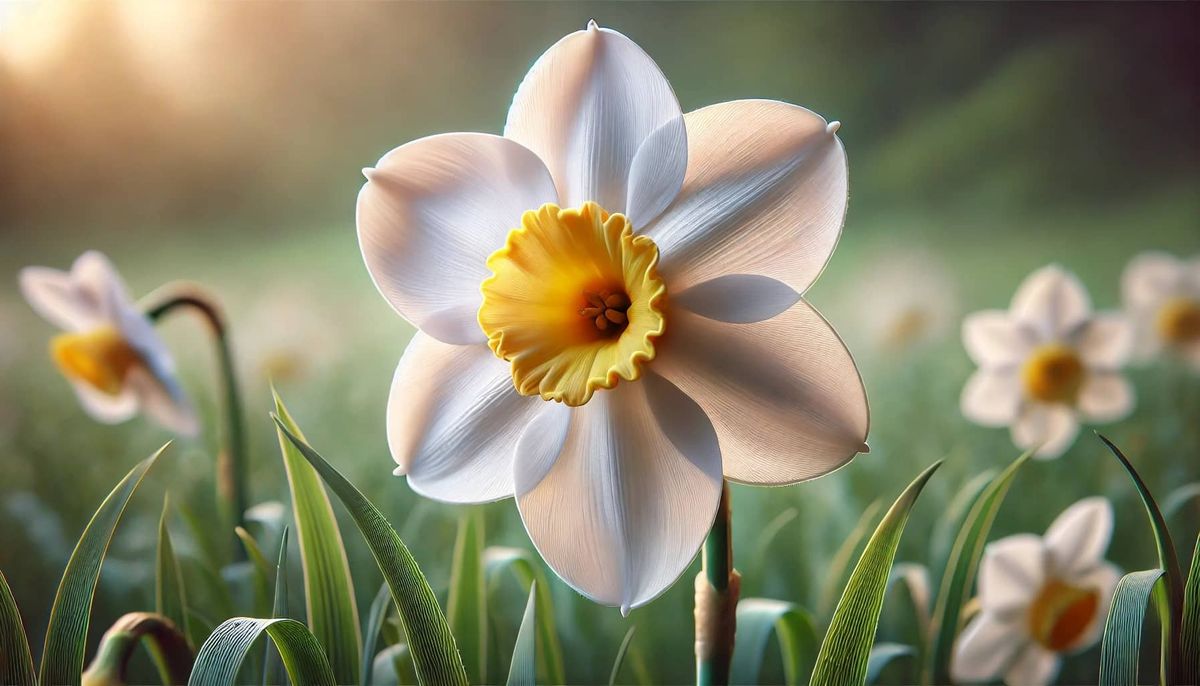
Narcissus (Narcissus) – A Flower of Self-Reflection and Renewal
Narcissus flowers, which include daffodils, symbolize renewal, hope, and personal growth. Named after the Greek myth of Narcissus, they remind us of the importance of self-awareness and humility.
Symbolism & Meanings
- Renewal and fresh beginnings
- Hope and optimism
- Self-reflection and wisdom
Cultural Significance
- In China, narcissus flowers are associated with prosperity and good luck, especially during Lunar New Year celebrations.
- The Greeks and Romans believed that narcissus flowers symbolized the cycle of life and transformation.
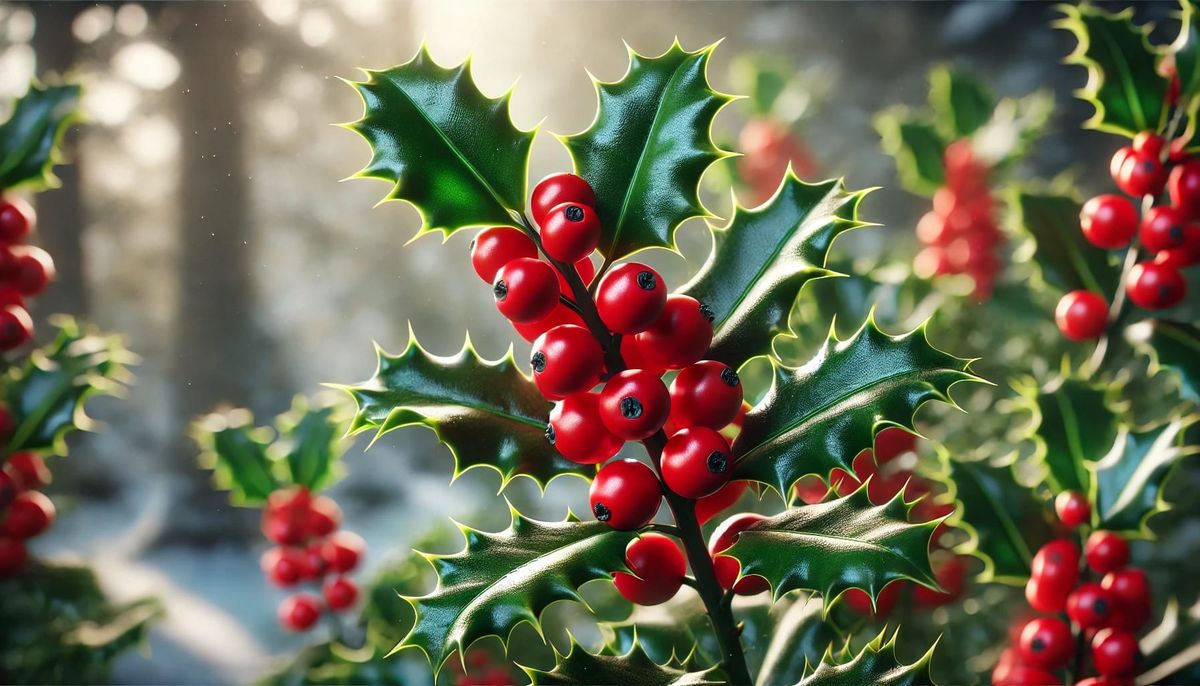
Holly (Ilex) – A Protective Winter Symbol
Holly, with its bright red berries and spiky green leaves, is strongly associated with Christmas and winter traditions. Beyond holiday decor, holly is a symbol of protection, good fortune, and eternal life.
Symbolism & Meanings
- Protection and resilience
- Good fortune and positivity
- Eternal life and spiritual strength
Cultural Significance
- In Celtic mythology, holly was considered sacred and thought to ward off evil spirits.
- In Christian traditions, holly’s red berries symbolize Christ’s blood, while its thorny leaves represent His crown of thorns.
- In ancient Rome, holly was used in Saturnalia celebrations, a festival that influenced modern Christmas traditions.
Creative Ways to Use Birth Flowers in Everyday Life
Now that we've explored all 12 months of birth flowers, how can you incorporate them into daily life and special occasions?
- 🌸 Gift Ideas
- Give personalized birth flower jewelry (necklaces, bracelets, or rings).
- Send a bouquet featuring a person’s birth flower as a birthday or anniversary gift. - 🌿 Home Decor
- Plant your birth flower in a garden or indoor pot for a personal touch.
- Use pressed birth flowers in framed artwork or DIY decorations. - 📜 Spiritual & Personal Meaning
- Use birth flowers in meditation or rituals to connect with your birth month’s energy.
- Consider a birth flower tattoo for a meaningful and timeless symbol.
The Timeless Significance of Birth Flowers
Birth flowers offer a unique connection to history, culture, and personal identity. Whether you’re drawn to the wisdom of asters, the passion of marigolds, or the resilience of holly, your birth flower tells a deep and personal story.
By incorporating birth flowers into gifts, home decor, and celebrations, we honor their timeless beauty and symbolic power. 🌸