Considering jewelry, the other two popular options are silver and white gold, both of which have a very lustrous, nice look in a way that one could really not differentiate between them. From the appearance of these metals, silver and white gold actually differ in fundamental ways on durability, cost, care, and content. Knowing how they differ will be of importance in helping you make an informed choice when it comes down to one or the other for your next piece. In this in-depth guide, we explore how silver and white gold compare for various jewelry types, such as custom necklaces, to help you make a clear decision on what best suits your needs.
What is White Gold?
White gold is also a mined metal in its yellow color, but it combines with other metals to form a silvery-white color. Since pure gold is soft, the mixing of it with hardened metals, such as palladium, nickel, or silver, is usually done in order to increase its strength. The alloying gives white gold its distinctive color and also makes it more appropriate for jewelry which will stand daily wear.
Most of the time, white gold gets plated with rhodium, a rare metal related to platinum, giving it that final bright, mirror-like finish. Besides giving the metal a brilliant silvery look, rhodium gives it extra protection against scratches and possible tarnishing. After some time, this rhodium wears off and may need a reapplication so that the color and shine of the jewelry come back.
Karatage of White Gold
Like yellow gold, white gold is also weighed in karats, referring to the purity of the gold. For instance, 18K white gold is made up of 75% gold and 25% other metals, while 14K white gold is made up of about 58.5% gold. The higher the karat white gold, the warmer it looks; the lower the karat white gold, the cooler it looks because a higher percentage of other metals makes up the majority.
Benefits of White Gold
- Last but not least, durability: white gold is extremely durable and fit for everyday wear, especially in pieces such as wedding bands and engagement rings.
- Luxurious Look: The rhodium plating gives white gold a bright reflective finish, similar to platinum.
- Available in hypoallergenic: Due to the use of palladium instead of nickel, white gold is hypoallergenic and hence suitable for people with sensitive skin.
What is Silver?
Like gold, silver is also one of the well-known, naturally occurring, precious metals. Due to its bright, white brilliance, for many millennia, silver has been coined into jewelry, currency, and tableware. However, pure silver, being extremely soft in nature, cannot be used in most applications of jewelry; hence, it is often combined with other metals to enhance strength. The most common silver alloy used in jewelry is sterling silver, which contains 92.5 percent silver and 7.5 percent other metals, usually copper.
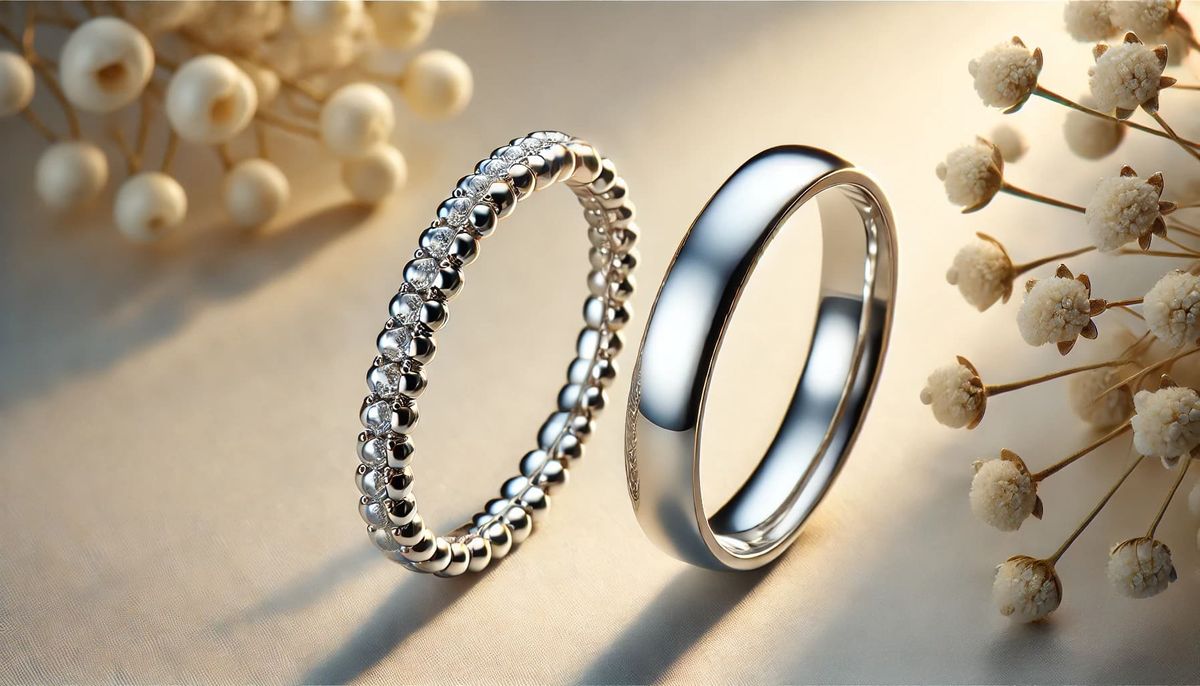
Sterling silver is marked with “925”, which means purity. Though sterling silver is stronger than pure silver, it is a rather soft metal considering other metals like white gold, and it tends to tarnish over time with exposure to air and moisture. Regular cleaning of silver is required for its maintenance.
Advantages of Silver
- Affordable: Silver is an awful lot less expensive than white gold, and because of that fact, it usually tends to get used more for costume and everyday jewelry.
- Classic Beauty: Silver is eternally chic because its bright, cool tone goes with just about everything.
- Easy to Clean: Silver is comparatively easy to polish and maintain. However, it requires more often care than white gold.
Silver vs. White Gold: Key Differences
While they do share some similarities, there are certain key differences between silver and white gold. Here's a larger breakdown of the major differences between these two metals:
1. Durability
- White Gold: In fact, with the alloy composition and rhodium plating, white gold is indeed stronger and less prone to scratches than silver. For this very reason, it is most suitable for engagement rings, wedding bands, and other jewelry items that are worn daily. However, this is not particularly durable since durability is based on karatage. Generally speaking, the low-karat white gold, such as 14K, is more resilient than the higher-karat white gold, like 18K.
- Silver: Silver, specifically sterling silver, is a fairly soft metal that, over time, will bend, scratch, or tarnish. Although the silver is rigid enough for most types of jewelry, it may not wear as well as white gold in daily use. If, for instance, you choose silver for items such as a ring, then you should be prepared to know that it will wear out sooner compared to white gold.
2. Affordability
- White Gold: In comparison with silver, white gold is highly more valued because of its much greater intrinsic value and also due to the added preparation costs of alloying and rhodium plating. While less expensive than platinum, white gold is still sensibly in the luxury category and very popular in quality jewelry and as investment pieces.
- Silver: Silver is one of the more affordable metals, hence fairly reasonably priced compared to other precious metals. It is used in less expensive fashion jewelry, regular wear, or larger designs.
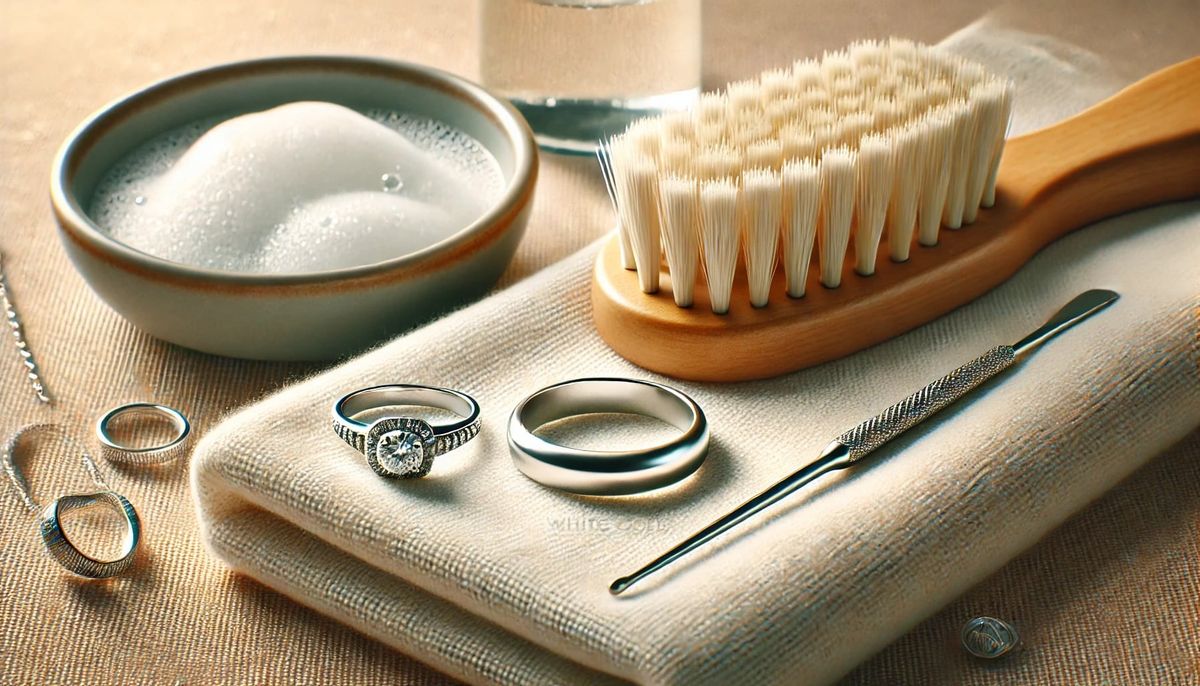
3. Maintenance and Care
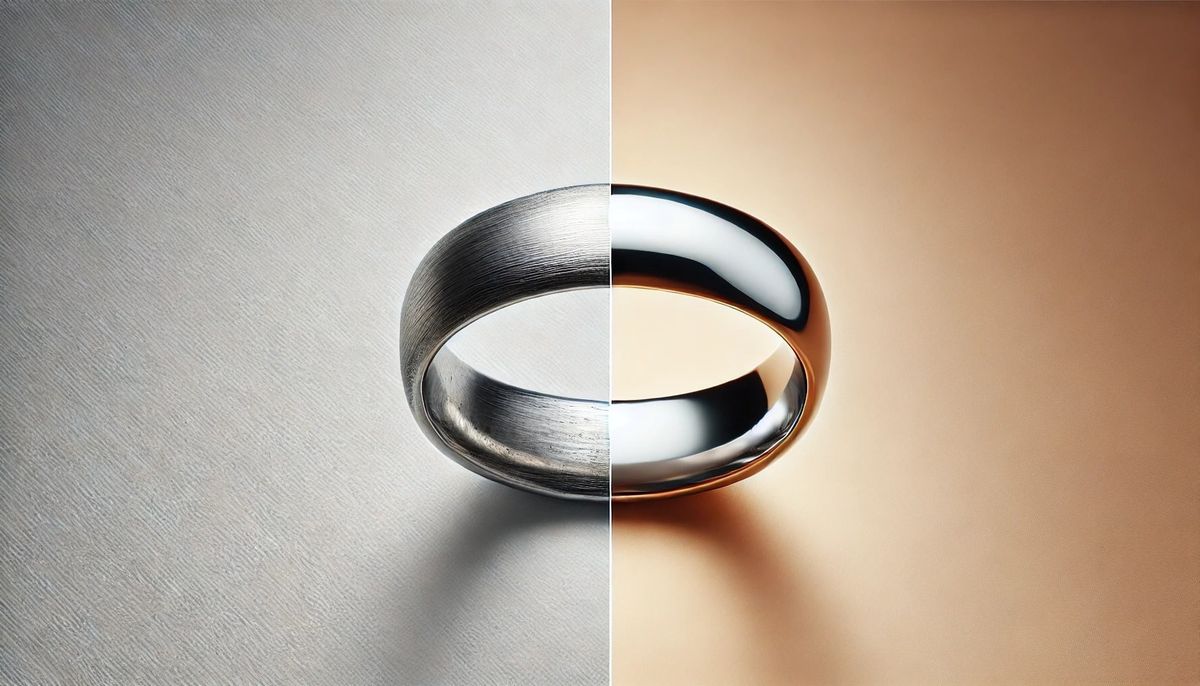
- White Gold: White gold requires periodic maintenance to retain its look. Over time, the rhodium plating of white gold jewelry may wear off and begin to show its slightly yellow hue from the underlying color of the gold alloy. White gold jewelry will usually need replating after a few years, depending on how well and often it has been worn, to get the jewelry back to its original brilliance. This adds to the overall long-term cost of owning white gold jewelry.
- Silver: Accompanied by air, moisture, or certain chemical elements, silver tarnishes easily. Silver ornaments have to be kept in airtight containers or anti-tarnish bags to avoid discoloration and are to be cleaned regularly using a soft polishing cloth. Although silver requires more frequent upkeep, it does not require re-plating as white gold does.
4. Allergy Issues
- White Gold: Most white gold jewelry has a high nickel content, and for sensitive-skinned individuals, this can result in skin allergic reactions. The rhodium varnish protects much better, but in time, this may rub off, and nickel will come into contact with the skin. Palladium-based white gold has been hypoallergenic in this regard.
- Silver: Sterling is usually in an alloy with copper, to which most people are quite tolerant. Sometimes an alloy used contains nickel, in which case it is necessary to confirm the composition if a person is aware of an allergy to the material, as options in sterling silver could also be hypoallergenic.
Silver vs. White Gold: Comparison Chart
Feature White Gold Silver Durability More durable due to alloying and rhodium plating Softer; hence, it easily bends and scratches Affordability More expensive than silver but cheaper than platinum Affordable, to say the least, thus more appealing to budget-conscious consumers Maintenance Needs re-plating every couple of years for color maintenance Regular polishing to avoid tarnish Allergy Issues May contain nickel; hypoallergenic alternatives are available Generally safe; hypoallergenic sterling silver is available Appearance Mirror-like, bright white brilliance Bright white but less reflective than white gold Ideal Use Fine jewelry, engagement rings, wedding bands Fashion jewelry, day-to-day
Frequently Asked Questions: Silver vs. White Gold
Q: Is white gold harder than silver?
A: Generally speaking, gold is stronger and more durable owing to the nature of its alloying process, not to mention that a layer of rhodium is plated over it. Silver, on the other hand, is much softer and more bendy. It scratches easily, thus white gold is better for daily-wear pieces.
Q: How will I differentiate between silver and white gold?
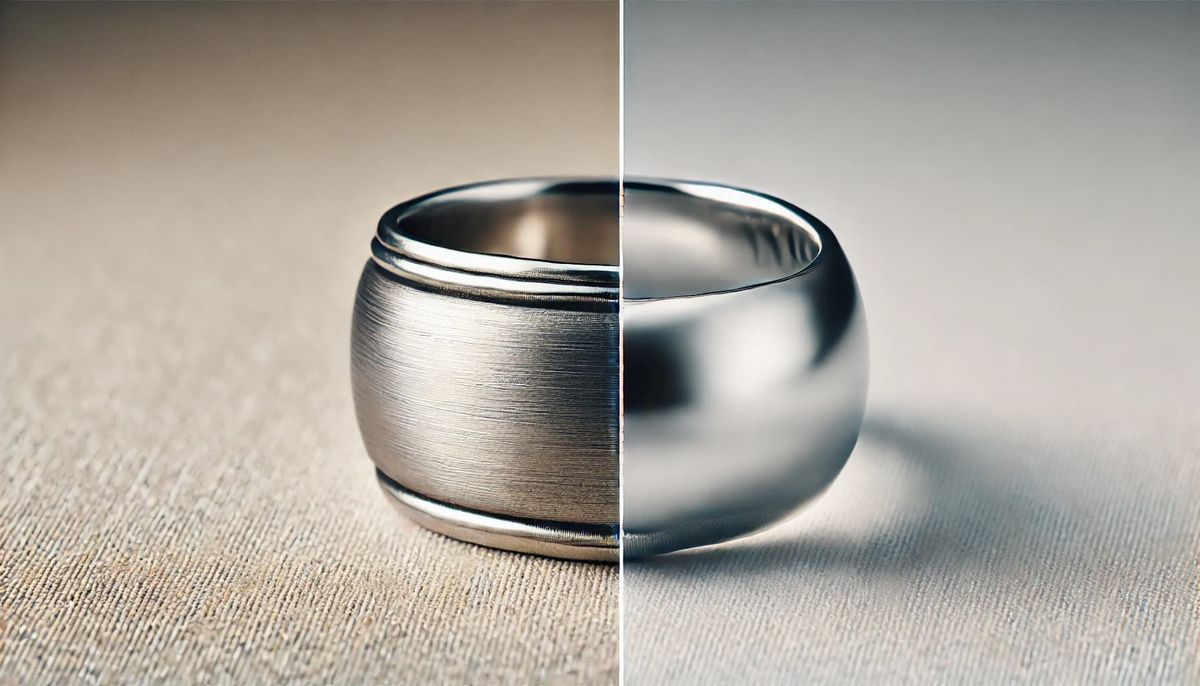
A: White gold has a more to-like reflective finish due to its rhodium plating compared to silver. In addition, white gold is normally stamped with a karat mark like "14K", while sterling silver is normally stamped with "925."
Q: Would silver be a good metal for an engagement ring?
A: That's nice, but then again, silver is softer and less durable than white gold, thus it wears out after some time. Generally speaking, white gold would always be a better choice when talking about an engagement ring that has to last a lifetime.
Q: How often would white gold have to be plated again?
A: White gold jewelry usually needs to be re-plated with rhodium every 1-3 years depending on wear. The re-plating helps the metal keep a bright white look and protects the gold alloy beneath.
Q: Can I wear one in white gold on a chain in silver?
A: Yes, you can definitely wear a white gold pendant on a chain made of silver, but remember that silver is softer and may not be able to support a heavy-weight pendant. A small, light white gold pendant should not be any problem on a silver chain, but for larger pieces, a chain made from white gold may take better stress.
Concluding Remarks: Silver versus White Gold
Each of them has different strong points, making them more suitable for different styles, budgets, and uses. White gold, being extra resilient, a luxurious heavy metal, is good for fine jewelry and daily wear. Although it requires re-plating, the strength and beautiful, mirror-like shine make it a favorite for engagement rings and wedding bands.
On the other side, silver is an affordable and talented metal, suitable for fashion jewelry or even great statement pieces, or when one insists on having classic beauties done economically. Though it requires polishing now and then to keep its brightness, silver can adorn any collection of jewelry beautifully.
Distinguish between silver and white gold on the basis of durability, maintenance, piece budget, and personal use. First, understand the nature of various metals before making your final decision to ensure it best suits your style and living.