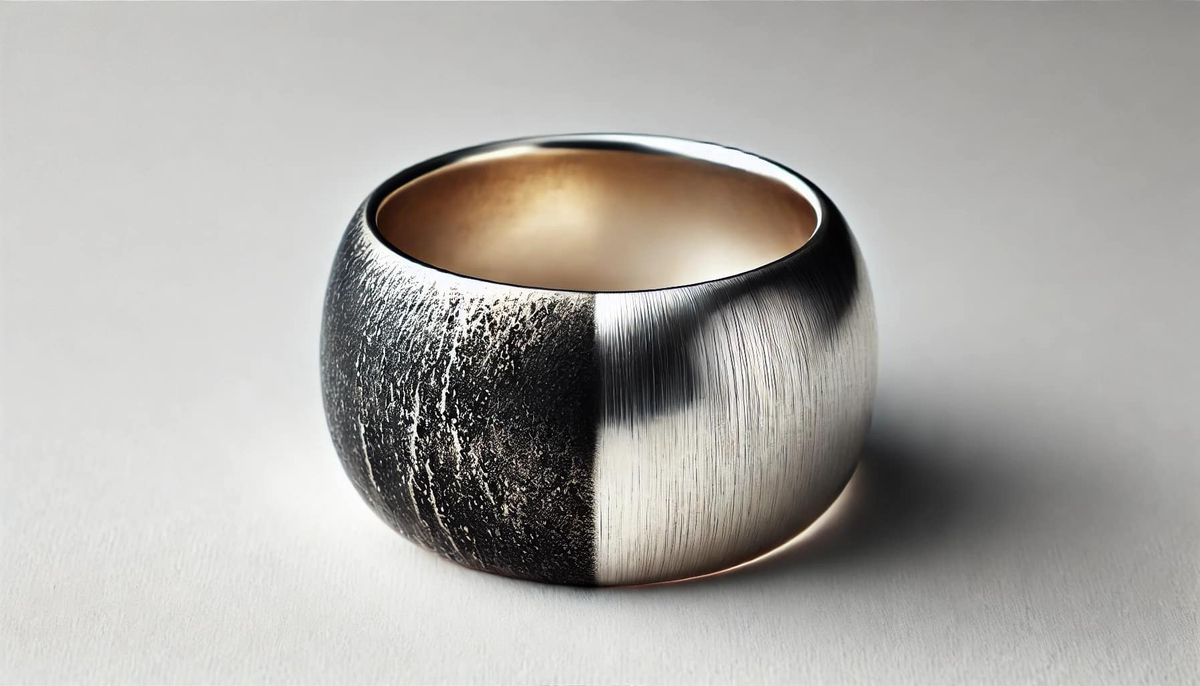
Sterling silver is a timeless, elegant material used for everything from custom necklaces and rings to flatware and collectible décor. However, one common concern among sterling silver owners is its tendency to tarnish. Yes, sterling silver does tarnish. Yet, this natural process doesn't mean that your silver got ruined or devalued. Indeed, the so-called "tarnish" is completely reversible if cleaned by the right techniques, and there are indeed ways to slow it down.
This guide will extensively cover the following:
- Why sterling silver tarnishes and the science of the tarnish itself.
- The step-by-step cleaning methods of tarnished silver.
- Time-tested ways to prevent tarnishing and keep your sterling silver for the long haul.
- Answers to frequently asked questions and common myths regarding tarnish.
Now, let's dive in and find out why tarnish occurs and how to keep your sterling silver sparkling for years to come.
Sterling Silver: What is it, and Why Does It Tarnish?
What is Sterling Silver?
Sterling silver, often .925 in designation and considered an alloy of 92.5% pure silver, is combined with 7.5% other metals, usually copper. Combined, it is stronger, more durable, whereas at the same time, using pure silver is too soft for everyday use.
While the durability of sterling silver is an added advantage, it tends to tarnish because of the presence of copper in it.
Why Does Sterling Silver Tarnish?
Tarnishing is a result of the reaction of sterling silver with elements in the surrounding environment, such as sulfur, oxygen, and moisture. This results in a discolored layer on the surface of the silver, ranging from yellow to black or even green.
Principal causes of tarnishing include:
- Sulfur in the Air: Sulfur compounds in polluted air or in some materials such as wool or rubber form silver sulfide (black tarnish).
- Humidity and Moisture: High humidity or salty air—for example, near sea coasts—accelerates the tarnishing process.
- Chemicals and Personal Products: The greater the rate of exposure to lotions, perfumes, hairspray, and cleaning agents, the higher the speed of tarnishing.
- Skin Oils and Sweat: Your skin's natural oils and also the sweat will eventually cause discoloration over time.
The Science Behind Tarnish
Formation of Silver Sulfide
Tarnish is formed when silver reacts with sulfur compounds in its environment to form a dark coating called silver sulfide (Ag₂S) on the surface.
Chemical Reaction:
2Ag (silver) + H₂S (hydrogen sulfide in air) → Ag₂S (silver sulfide) + H₂ (hydrogen gas)
This reaction is most commonly provoked by the presence of sulfur compounds found in:
- Polluted air or urban background.
- Everyday materials like wool, felt, and latex.
Other examples are foodstuffs rich in sulfur—eggs, onions, and garlic. The tarnish in silver has a black or gray coloration due to silver sulfide.
Why Copper in Sterling Silver Accelerates Tarnishing
Sterling silver is an alloy that contains 7.5% copper, which is highly reactive. Copper, when it reacts with oxygen and other chemicals, forms additional compounds such as copper oxide or copper chloride.
Copper Reactions:
- Copper + Oxygen → Copper Oxide (Green Tarnish)
- Copper + Salt (Chlorine) → Copper Chloride speeds up Tarnish
Although pure silver, being free from copper, does tarnish very slowly, it is too soft to make a practical piece of jewelry or houseware. For this reason, sterling silver is still used today due to its good balance of strength and economy.
Tarnish vs. Rust
A lot of people think that tarnish is the same as rust. Here's where they are different:
- Tarnish: This is superficial and one of those chemical reactions which take place on the surface of the silver. Tarnish doesn't hurt the actual silver, and it's pretty easy to remove.
- Rust: A deeper chemical reaction involving iron that causes structural damage. Sterling silver does not rust.
How to Clean Tarnished Sterling Silver
Tarnish can look unsightly, but it is actually relatively easy to clean. The following methods are some of the most effective:
1. Use a Silver Polishing Cloth
A silver polishing cloth is the fastest and safest way to get rid of tarnish.
- Gently rub the cloth onto the tarnished areas.
- Work on small sections at a time to bring back the shine.
Polishing cloths are good for lightly tarnished jewelry and flatware.
2. Use a Silver Polishing Cream
For more resistant tarnish, try a commercial silver polishing cream:
- Apply a small amount to a soft cloth.
- Rub the cream into the silver in circular motions.
- Rinse with warm water and pat dry.
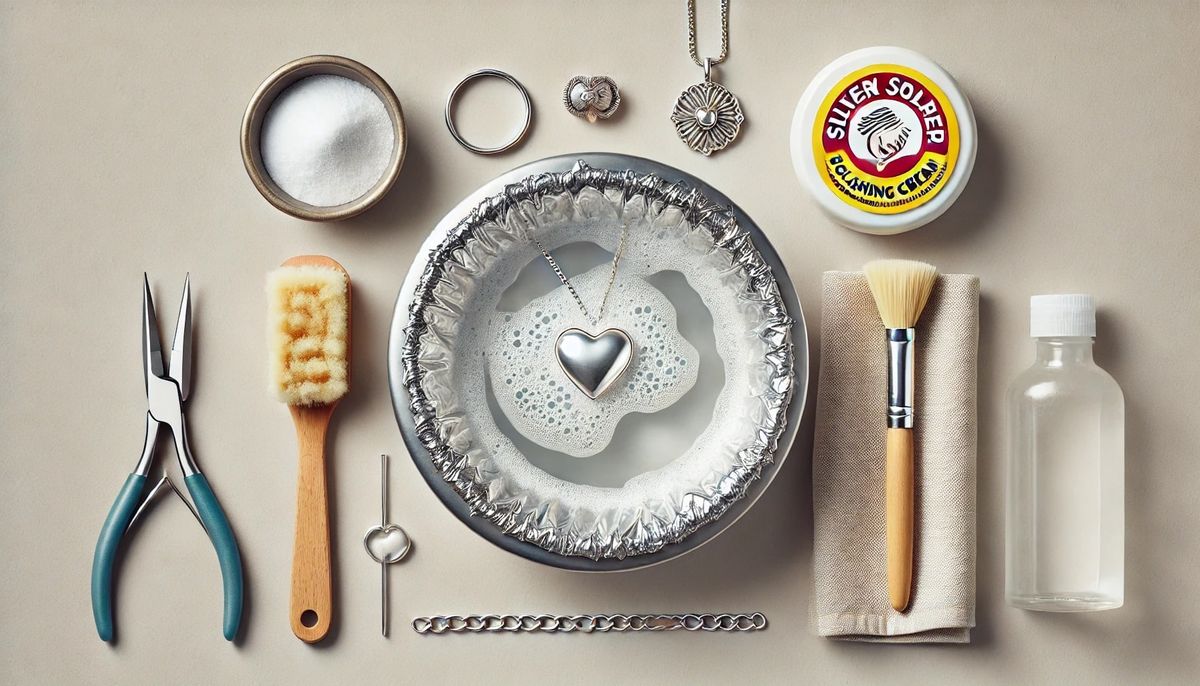
3. Create a Homemade Cleaning Solution
To clean silver naturally, make a silver cleaning dip with items you most likely have on hand:
- Line a Glass or Plastic Bowl with Aluminum Foil: It is a good idea to line a glass or plastic bowl with aluminum foil.
- Add Baking Soda and Salt: Add 2 tablespoons of baking soda and 2 tablespoons of salt into hot water.
- Soak Your Silver: Soak your tarnished silver in the solution for 5–10 minutes.
- Wash and Dry: Then wash under running warm water and gently wipe off with a soft, clean cloth until fully dry.
This method works really well for heavily tarnished silver.
4. Use an Ultrasonic Cleaner
Ultrasonic cleaners use sonographic waves to clean silver without causing damage. They're particularly effective for heavily tarnished pieces of jewelry and detailed items like filigree elements.
How to Prevent Tarnish on Sterling Silver
While tarnishing is unavoidable, these preventative measures can slow the process:
1. Avoid Chemical Exposures
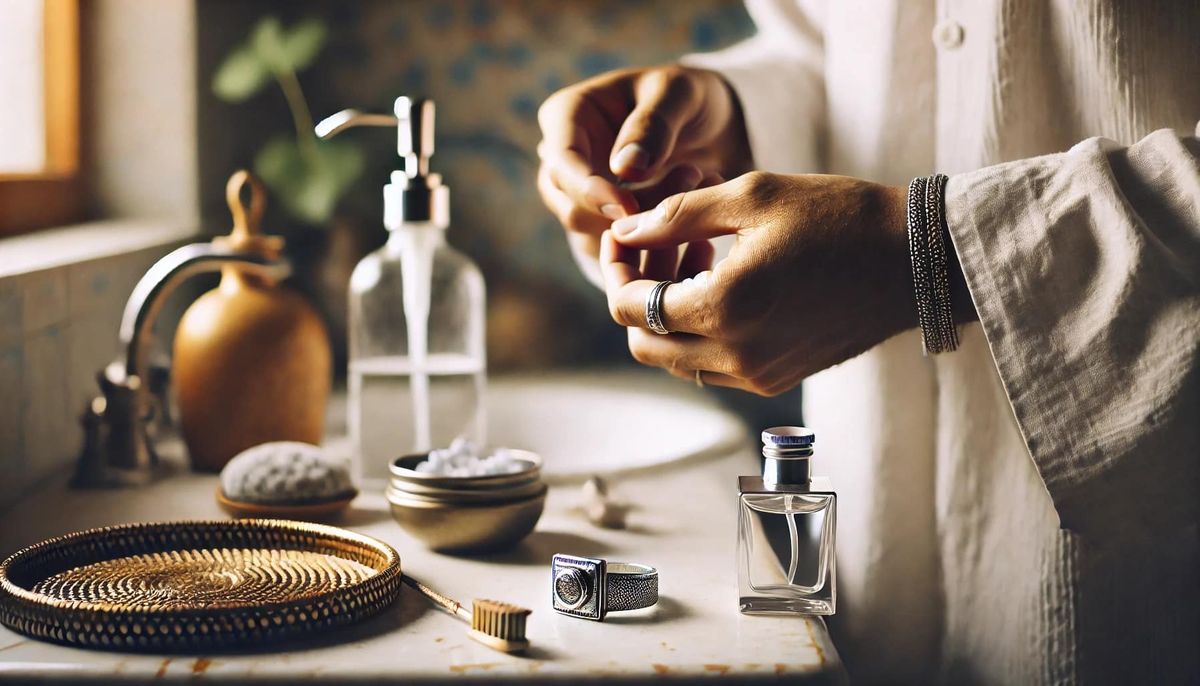
- Take off sterling silver jewelry when applying lotion, perfume, or hairspray.
- Do not wear silver when swimming, showering, or cleaning.
2. Store Silver Properly
Store your silver in airtight or anti-tarnish pouches with minimal exposure to air or moisture.
- Use silica gel packets to absorb humidity.
3. Wear Your Silver Regularly
Wearing your jewelry regularly can help prevent tarnish because natural oils on your skin act as a barrier against oxidation.
Debunking Common Tarnish Myths
Myth 1: Ruined Silver
Truth: Tarnish affects only the superficial coating of silver and can be cleaned.
Myth 2: Tarnish Reduces Value
Truth: Tarnish does not affect the intrinsic value or purity of sterling silver.
Myth 3: Tarnishing Means the Silver is Fake
Truth: All real silver tarnishes over time. If it does not tarnish, it may be silver-plated or made of alternative metals.
Sterling Silver Tarnish: Commonly Asked Questions
1. Does Tarnish Mean My Sterling Silver is Fake?
No, tarnish is a natural process and happens to all real silver, including sterling silver. In fact, fake silver may not tarnish at all, depending on the base metal underneath. If your silver tarnishes, it's a good sign that it's authentic sterling silver (.925).
2. Can Tarnish Be Prevented Completely?
While it is impossible to completely stop tarnishing, you can considerably delay the process. Storing your silver in airtight bags with anti-tarnish strips and avoiding chemical exposure can delay tarnish formation by months or even years.
3. Why Does My Sterling Silver Turn Green?
The green discoloration is due to the copper content in sterling silver reacting with chemicals, sweat, or moisture to form copper chloride. While alarming in appearance, it is harmless and can easily be cleaned off.
4. Can I Shower with Sterling Silver?
You can shower with sterling silver, but it is not recommended. Why?
- Water, especially salty or chlorinated water, accelerates tarnishing.
- There is a risk of misplacing or damaging the silver while showering.
If you shower with it by mistake, make sure to clean and dry it afterward.
5. How Often Should I Clean My Sterling Silver?
The frequency of cleaning depends on how often you wear it and your environment:
- Daily Wear Jewelry: Clean monthly or when visible discoloration occurs.
- Less Frequently Used Items: Clean every 3–6 months to maintain their shine.
Historical Facts About Silver Tarnish
Adding a historical perspective can make your article more unique and engaging. Here are some fun facts about silver and tarnishing:
- Silver in Photography: Silver sulfide, the chemical responsible for tarnish, played a key role in black-and-white photography. The same chemical reaction that causes tarnish in jewelry was used to develop images on film.
- Polished Silver as a Status Symbol: In Victorian households, keeping silver clean and free from tarnish was a sign of respectability. Wealthy families often employed maids or "silver butlers" whose sole responsibility was to clean and polish silver items.
- Historic Use of Silver: The Greeks and Romans used silver not only for currency but also for everyday utensils and jewelry. Even then, tarnishing was a common issue, and early cleaning methods were developed to address it.
Final Thoughts: Taking Care of Your Sterling Silver
The tarnishing of sterling silver is a completely natural process caused by environmental factors and the copper content in the alloy. However, it's important to remember:
- Tarnish does not destroy the silver or diminish its value.
- Cleaning tarnish is straightforward and can restore your silver to its original brilliance.
- Proper care—such as storing it well, cleaning it regularly, and keeping it away from harsh chemicals—can extend the beauty of your silver for years to come.
Whether it's a silver heirloom, a trendsetting custom necklace, or flatware, sterling silver is timeless and capable of lasting a lifetime. With proper care, it will remain elegant and lustrous for years to come.
Start taking care of your silver today and enjoy its beauty for years to come!