The Evil Eye is an ancient and timeless protection symbol, recognized across cultures and continents. Both a curse and a talisman, it has fascinated humanity for thousands of years. What exactly does the Evil Eye mean? Why do the various colors hold such significance? How did it evolve into the modern jewelry trend we see today?
In this all-encompassing guide, we will explore the origins of the Evil Eye, the meanings of its colors, and what it means to both ancient rituals and modern fashion. Whether you seek protection or merely want to add a meaningful accessory to your collection, this article will reveal all you need to know about the Evil Eye.
What is the Evil Eye? Understanding Its Meaning
The Evil Eye is more than a symbol, actually, but rather a belief deeply inculcated into human history. The term describes a curse from a malevolent glare, usually brought on by envy, hatred, or resentment. The belief behind the Evil Eye is that a person can actually, often by happenstance, cause others to become harmed because of their negative energy.
The Harm Caused by Evil Eye
According to folk tradition, the Evil Eye can bring on:
- Misfortune
- Sickness or injury
- Financial difficulties
- Broken relationships
- Even death in extreme cases
The following are said to be among those groups of individuals who are more prone to the Evil Eye:
- Pregnant women: Because they carry new life, it is believed that they will be harmed by envy.
- Children: Their innocence and beauty make them a common target of jealousy.
- Animals: Primarily livestock, which usually are coveted for their economic value.
Other cultures believe that ailments thought to have no apparent cause—the sudden fevers, fatigue, or loss of appetite—are the result of the Evil Eye.
Who Casts the Evil Eye?
History has shown many different accusations of people giving the Evil Eye from various walks of life, including:
- Childless or aged women: Such women were considered suspect by common people in ancient times.
- Stranger: It was believed that the gaze from strangers carried a lot of negative energy.
- Envious people: It was believed that individuals who were filled with envy or resentment actually projected negative, injurious energy.
The Colors of the Evil Eye: What Do They Mean?
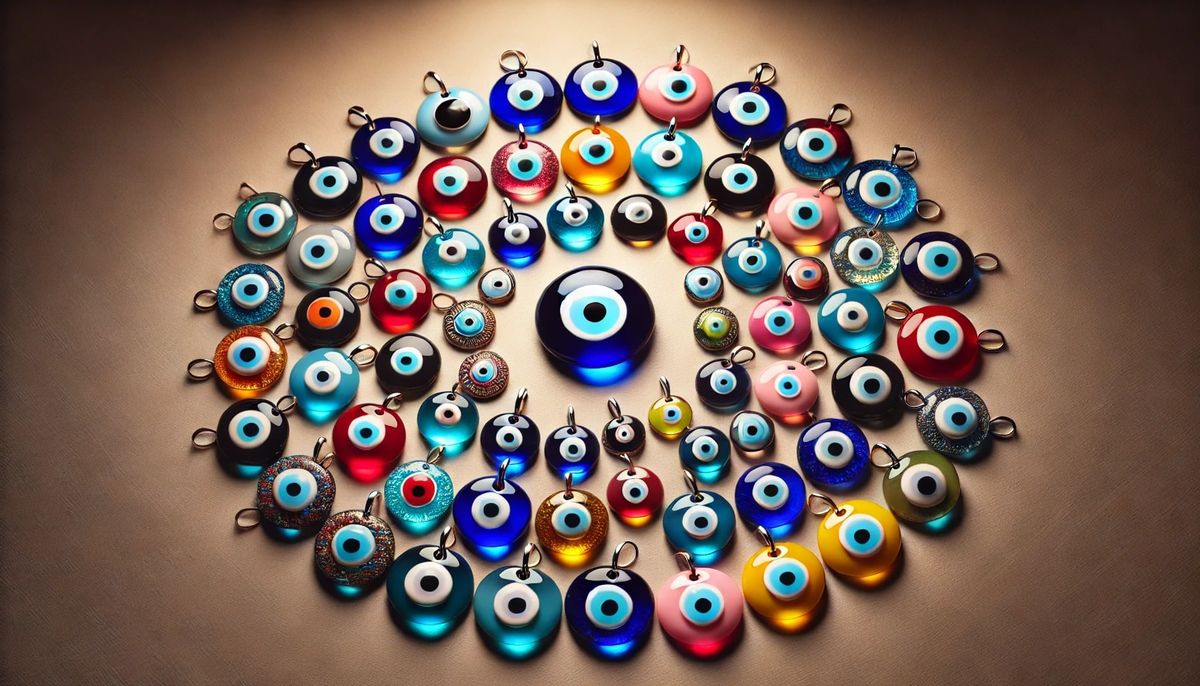
These days, the Evil Eye is worn as a talisman; it is believed to protect from harm or evil in a different color that promises invocation. Colors bear different meanings and allow their wearer to invite specific forms of protection or energies.
Red Evil Eye Meaning
The red Evil Eye, though of a color that may raise an eyebrow or two, is a charm for bravery and protection. It is associated with passion, energy, and the capability of conquering fear. A close variant is the coral Evil Eye, which also means protection and sometimes is combined under one category as the red Evil Eye.
- Color: Brilliant red or coral
- Symbolism: Bravery, might, and protection
Blue Evil Eye Meaning
The blue Evil Eye, being the most recognized color of the Evil Eye, has two variations as well:
- Dark Blue Evil Eye: This can prevent karma and fate from taking their part in your life and, at the same time, save you from evil powers of another parallel world.
- Light Blue or Turquoise Evil Eye: This represents health, safety, and general well-being. The lighter color is associated with calmness and serenity.
- Color: Dark blue or turquoise
- Symbolism: Protection against fate (dark blue) and protection against diseases/accidents/safety (turquoise)
Black Evil Eye Meaning
The black Evil Eye is not as common and holds a great deal of strength. It supposedly brings courage and command, making the talisman more suitable for those who wish to personally increase their strength or evade strong negative influences.
- Color: Deep black
- Symbolism: Power, resilience, inner strength
White Evil Eye Meaning
The white Evil Eye represents wealth, abundance, and purity. It is also said to be an indication of clarity and new beginnings, so many would want to use it for themselves when beginning a new phase in life.
- Color: Pure white
- Symbolism: Wealth, clarity, new opportunities
Pink Evil Eye Meaning
It is believed that by wearing a pink Evil Eye, love and compassion are able to grow and be nurtured. It protects the relationships, preserves friendships, and actually brings calmness and relaxation to the wearer of the Evil Eye.
- Color: Soft pink
- Symbolism: Love, friendship, and relaxation
Other Colors of the Evil Eye
While shades of red, blue, black, white, and pink are most popular, here are some extra colors you might find Evil Eye can come in:
- Green: Success; personal growth
- Yellow: Happiness, positivity, focus
- Orange: More creative and enthusiastic
These colors let the wearers choose an Evil Eye charm that corresponds to their specific intentions or needs.
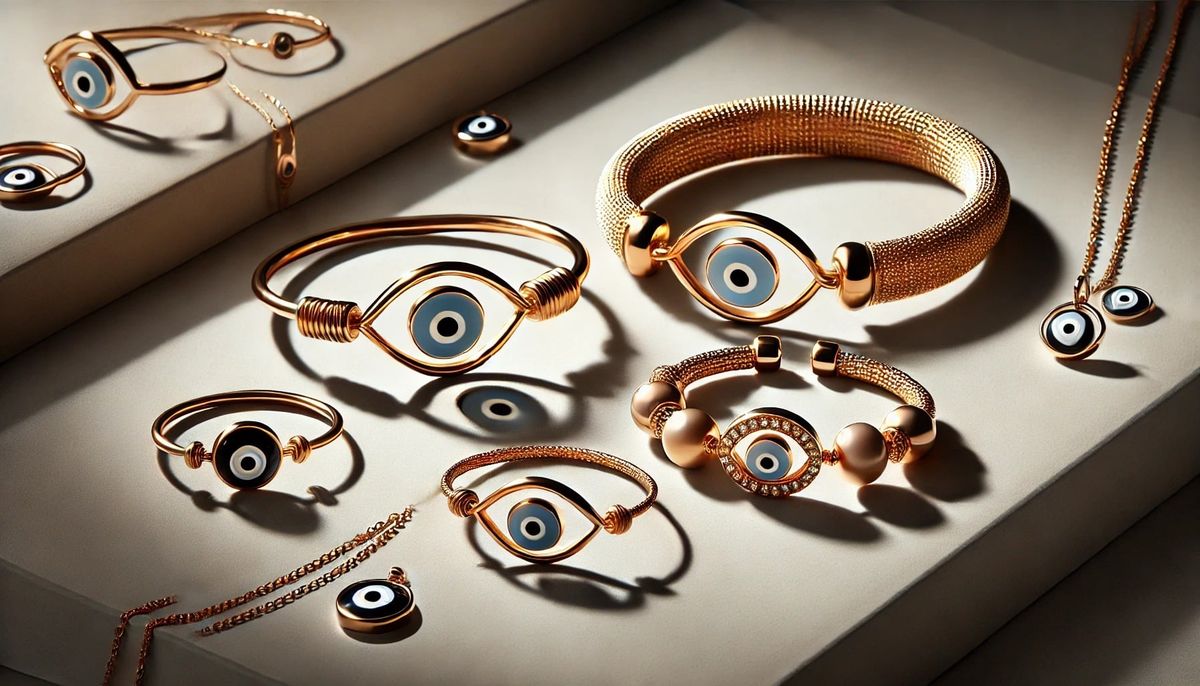
Evil Eye Jewelry: Bracelets, Necklaces, and More
This is because, besides its traditional use in rituals, the modern popularity of the Evil Eye has extended its use far beyond. Today, it's a versatile and meaningful accessory integrated into bracelets, necklaces, rings, and even home decor. Now let's take a closer look at its two most common forms of jewelry.
Evil Eye Bracelet Meaning
Wearing an Evil Eye as a bracelet is one of the most fashionable and handy ways to keep this protective charm close to your body. The reason bracelets are usually worn on the left wrist is that some traditions believe this side of the body is more susceptible and vulnerable to absorb negative energy.
- Why wear a bracelet? Evil Eye bracelets are versatile and can complement everything from a minimalist look to a colorful, boho-chic design.
- Importance: The fact that one wears this bracelet daily offers constant protection, safeguarding the person from evil forces.
Evil Eye Necklace Meaning
Another popular way to display this ancient symbol is with an Evil Eye necklace. Many people like necklaces because they allow the charm to rest near the heart, which may enhance its protective energy. This can be one way of offering protection on the emotional or spiritual level.
- Why Choose a Necklace? Necklaces are worn more as a statement piece, which allows the wearer to show their connection with the Evil Eye more.
- Celebrity Influence: The Evil Eye necklaces have been seen on celebrities such as Miley Cyrus and Gigi Hadid, making it one of the mainstream trends.
The Evil Eye: A Symbol Born of Civilizations
A comprehensive overview of the Evil Eye and its various significances can be traced back many thousands of years. The belief in the Evil Eye, more importantly its potency, cuts across several cultures, with each adding unique touches to the symbol. From rituals in ancient Greece to Turkish talismans, it has remained one of the most enduring cultural icons.
The Evil Eye in Ancient Greece and Rome
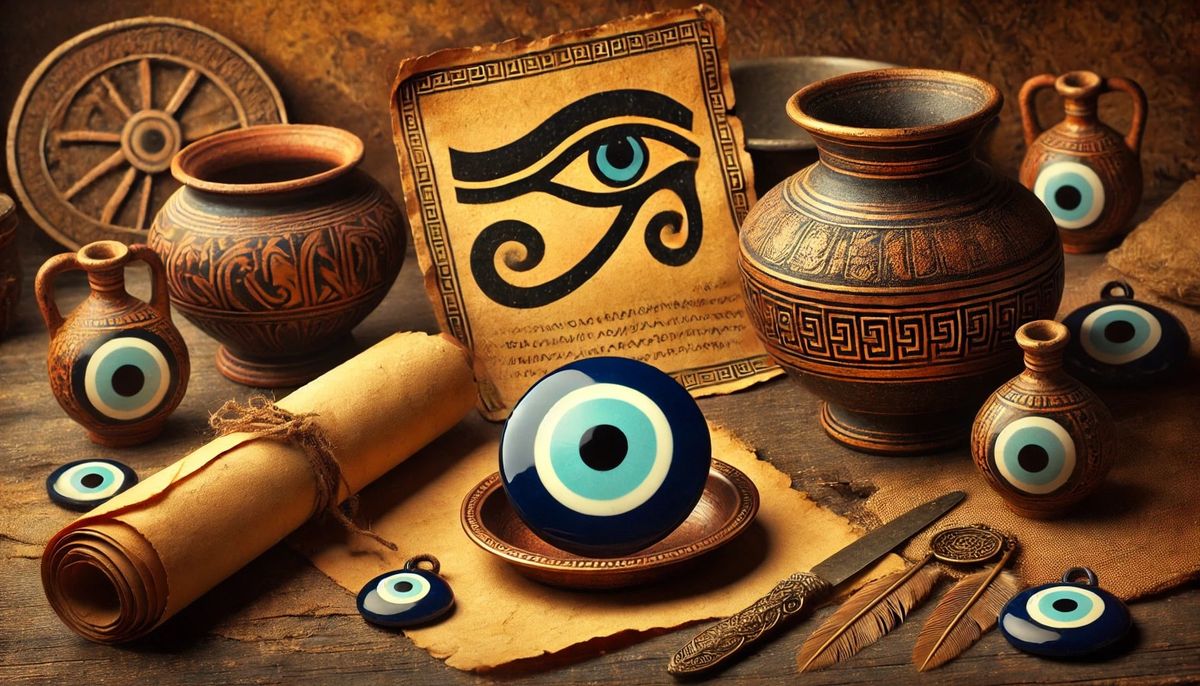
The Evil Eye, or "mati" as it is called in Greek, was first documented as early as the 6th century B.C. in classical Greek texts. Ancient Greeks believed that envy, especially through a jealous glance, could transmit negative energy capable of causing harm. Philosophers like Plutarch wrote extensively about the concept of the Evil Eye, claiming it was the result of powerful emotions being projected through the eyes.
This belief continued into Roman times when most citizens wore a protective charm to ward off curses. The Evil Eye in both Greek and Roman cultures symbolized malevolent acts from outside forces that needed to be warded off by talismans.
The Evil Eye in Turkish Culture
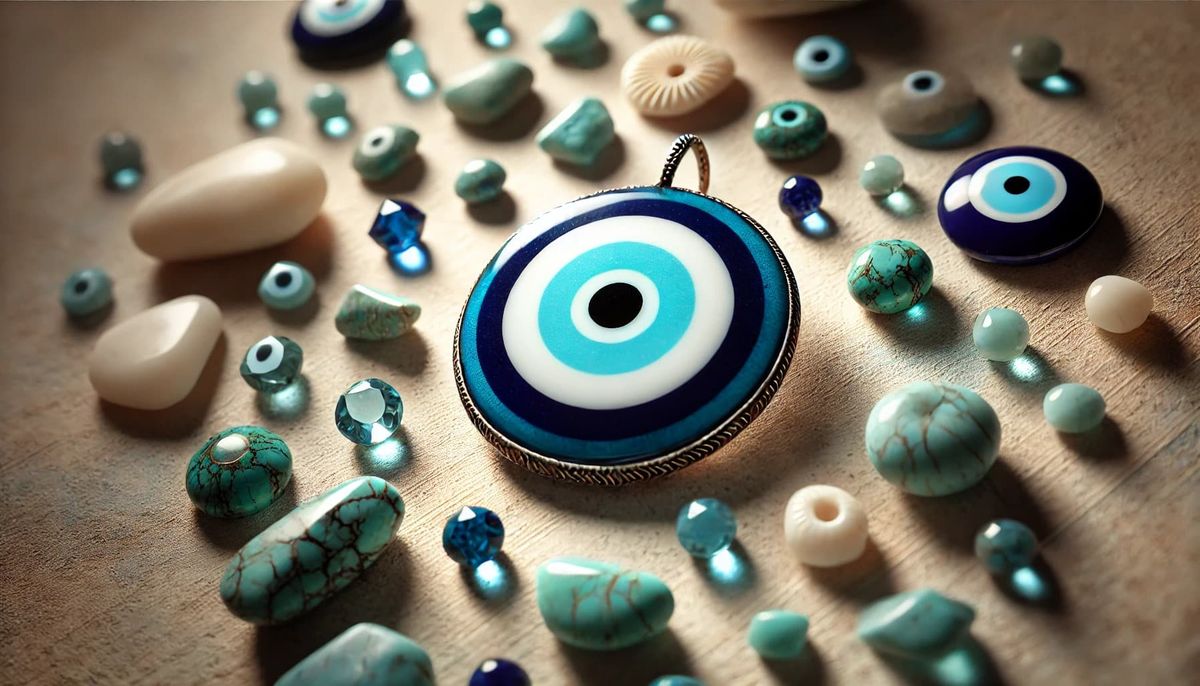
In Turkey, the Evil Eye is known as "nazar", and its distinctive blue-and-white charm, called the nazar boncugu, has become one of the most recognizable protection charms. These are traditionally made of glass with concentric circles resembling an eye.
- Use in Homes and Jewelry: These nazar charms are hung visible inside houses, cars, and workplaces for protection against negative energy. This type of jewelry is used to the fullest by most people: from nazar bracelets to pendants.
- Nazar Breaking: When it cracks or breaks, that is actually a good omen—this means the charm has worked well and absorbed the bad energy for its wearer.
The Turkish Evil Eye continues to be one of the most popular souvenirs among tourists and a deeply rooted part of the country's cultural identity.
The Evil Eye in Italy
In Italy, the belief in the Evil Eye is called "malocchio", and it has deep roots in superstition as well as folk traditions. In Italy, people have conventionally believed that envy and jealousy could materialize into harmful energy through a glare.
- The Cornicello Amulet: The most characteristic Italian talisman against the Evil Eye is the cornicello, which translates to "little horn." Unlike the concentric circle design of the Turkish or Greek Evil Eyes, cornicello is normally made in red coral, silver, or gold and is shaped as a twisted horn.
Magnetism and Protection: This is a cornicello in Italian traditions, serving at one and the same time to protect while developing in its wearer the personal magnetism of attraction. It thus becomes an amulet for both protection and attraction.
The Evil Eye in Hinduism and Buddhism
In South Asia, the Evil Eye concept is incarnated as "drishti" in Hindu culture and "phra arjan" in Buddhism. Both religions emphasize protection against negative energy directed by envious or resentful individuals.
- Different forms of Drishti practices: These include burning red chilies or moving salt around the head of a person by the women in Hindu families to avoid the Evil Eye's harmful effects. The babies and children are considered most vulnerable, mostly with black kohl to avoid the curse.
- Tibetan Buddhism: Tibetan Buddhism views the "Third Eye" talisman, also known as "Evil Eye," as the talisman to ward off all bad energy and restore inner peace.
Evil Eye in Latin America
In Latin America, the Evil Eye is known as "mal de ojo", and its cultural relevance is strongly related to the protection of babies. The mothers tie red string bracelets or talismans around their babies' wrists to prevent envy from affecting their health.
- Healing Rituals: The various cleansing rituals of taking away the mal de ojo from individuals, known generally as "limpias," are performed by folk healers or curanderos. This includes the use of herbs, eggs, and prayers to return them into a state of balance and protect them against further harm.
- Faith-based family practices combine the Catholic cross with the Evil Eye talisman for double protection.
The Evolution of the Evil Eye: From Ritual to Fashion
What started as a deeply rooted superstition and spiritual symbol, the Evil Eye has transitioned deep into the world of fashion. Its universal symbolism and stunning aesthetic make it a favorite in jewelry and accessories.
The Modern Popularity of Evil Eye Jewelry
However, in recent times, because this sort of appeal begets becoming a stylish but meaningful accessory, an Evil Eye could also mark its presence across main segments of fashion once again—being runway stuff for both luxe and popular lines.
- Celebrity Endorsement: Celebrities like Beyoncé, Kim Kardashian, and Gigi Hadid have been spotted wearing Evil Eye jewelry, from intricate pendants down to delicate bracelets.
- Global Appeal: The Evil Eye is now globally accepted and has spilled beyond its cultural boundaries. Its sleek design and deep symbolism make it versatile enough to fit into any fashion chime.
Why the Evil Eye Resonates Today
It feels timeless, from a design standpoint, because it so masterfully balances spiritual protection with personal expression. In today's fast-paced, highly connected world, people are turning more and more to talismans as a form of grounding, making the Evil Eye both a symbol of protection and of self-care.
How to Incorporate the Evil Eye into Everyday Life
Although the origins of the Evil Eye are based on very ancient practices, its modern uses are practical and meaningful. Following are ways in which you can use the Evil Eye in your life:
1. Wear It as Jewelry
The Evil Eye is most popularly worn as jewelry today. Choose a design that speaks to you more:
- Bracelets: These are worn daily for constant protection.
- Necklaces: Perfect to make statements with, or layer on with other accessories.
- Earrings and Rings: Subtler ways of wearing the charm with the outfit.
2. Display It in Your Home
You can also hang Evil Eye amulets at home or in your working places for the creation of an energy shield. They should be hung near entrance or windows or even in a car for protection from harmful intentions of visitors or even bypassers.
3. Use It in Gifting
Evil Eye jewelry or decor is really a thoughtful gift and symbolic of your wish to protect and bless the recipient. This is very special for housewarming parties, birthdays, or baby showers.
The Timeless Appeal of Evil Eye
The Evil Eye has survived time, culture, and geography to retain its place as one of the most enduring protectionist and positive symbols. Whether you wear it for spiritual protection or as a symbol of great meaning, its significance remains deep. From its very inception in Greece, Turkey, and Italy, the Evil Eye has taken us through to modern times as an en-vogue accessory to add fashion to one's statements.
Knowing a little about its history, symbolism, and practical usages will help you weave this powerful talisman into your life with purpose and poise. Whether it is for protection, that of a loved one, or whether it's about making a statement by oneself, the Evil Eye is timeless in reminding everyone of the balance between good energies and how negativity can be shut out. Let it be the shield and the symbol of the individual.