Gold has been admired by humans for many years, not only for reasons of rarity and beauty but also for how it can be used to create jewelry and other things that are truly invaluable. From ancient times to the present day, gold has remained one way a person's wealth, love, and status are expressed. However, when buying gold jewelry in today's time—whatever the form may be, such as an engagement ring, a wedding band, a necklace, or an earring—there is an important term involved: karat.
Understanding gold karats forms a cornerstone for making informed decisions about quality, durability, and cost. This in-depth guide will walk you through everything you need to know about gold karats, their meaning, how they influence the composition of gold, the most common karat levels, and give some tips on how to choose the perfect karat to suit your needs.
What is a Karat? Understanding Gold Purity
Naturally, gold is one of the softest and most malleable metals; thus, it is usually combined with other metals to improve strength and durability. The purity of gold in a specific piece of jewelry is measured by "karat" (abbreviated as K or kt, which refers to the ratio between pure gold and other alloyed metals within the piece).
How Karats Are Calculated
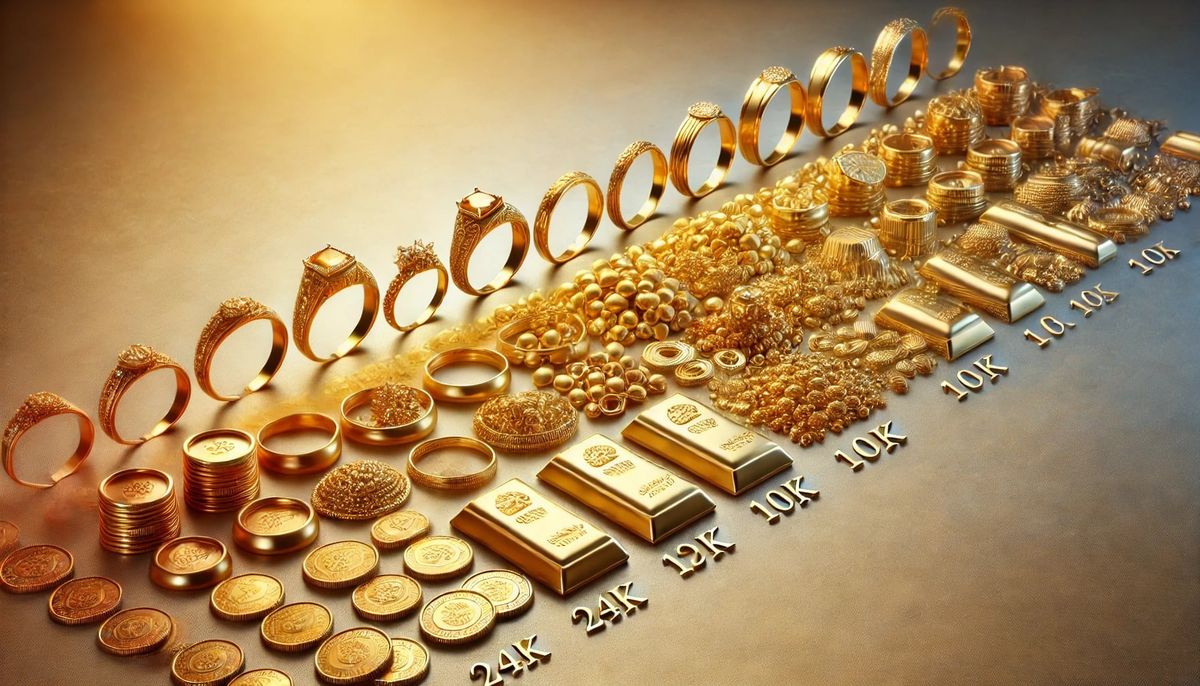
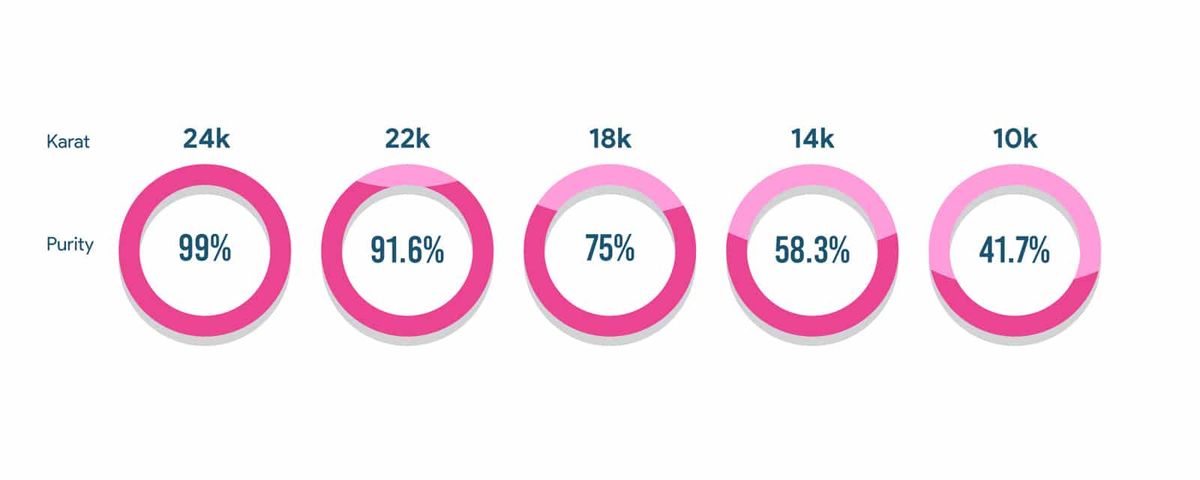
The purity of Gold is determined on a scale of 24 parts where pure Gold is considered to be 24 Karats, 24K. For instance:
- 24K gold is pure 100% gold.
- 18K gold = 18 parts gold, 6 parts alloyed metals (75% gold)
- 14K gold = 14 parts gold, 10 parts alloyed metals (58.3% gold)
This system thus allows jewelers and buyers alike to understand how much pure gold is contained in one piece of jewelry and how much is composed of other metals, such as copper, silver, nickel, or zinc. The greater the number of karats, then, the greater the percentage of gold—to a point, within the trade-offs, as higher-karat pieces are less durable.
Why is Gold Alloyed?
Pure gold is referred to as 24K, and it is extremely soft—being easily bent, scratched, and otherwise damaged. While highly desirable because of its rich yellow color and for its own symbolism, it's often quite impractical for everyday use in jewelry. For this reason, gold is alloyed with stronger metals to:
- Increase Durability: Alloying metals like copper or nickel make gold harder and less prone to damage.
- Reduce Cost: Lower-karat gold contains less pure gold, hence making it inexpensive.
- Create Unique Colors: Variants in color come through rose gold by alloying copper or white gold through an alloy of nickel or palladium.
A Closer Look at Gold Karats
Let's dive deeper into the most common gold karat levels to understand their composition, advantages, disadvantages, and where they can be most commonly used.
1. 24K Gold (Pure Gold)
- Purity: 100% gold, without alloying
- Color: Deep, rich yellow
- Durability: Very soft, prone to scratches and bending
- Cost: The most expensive form of gold
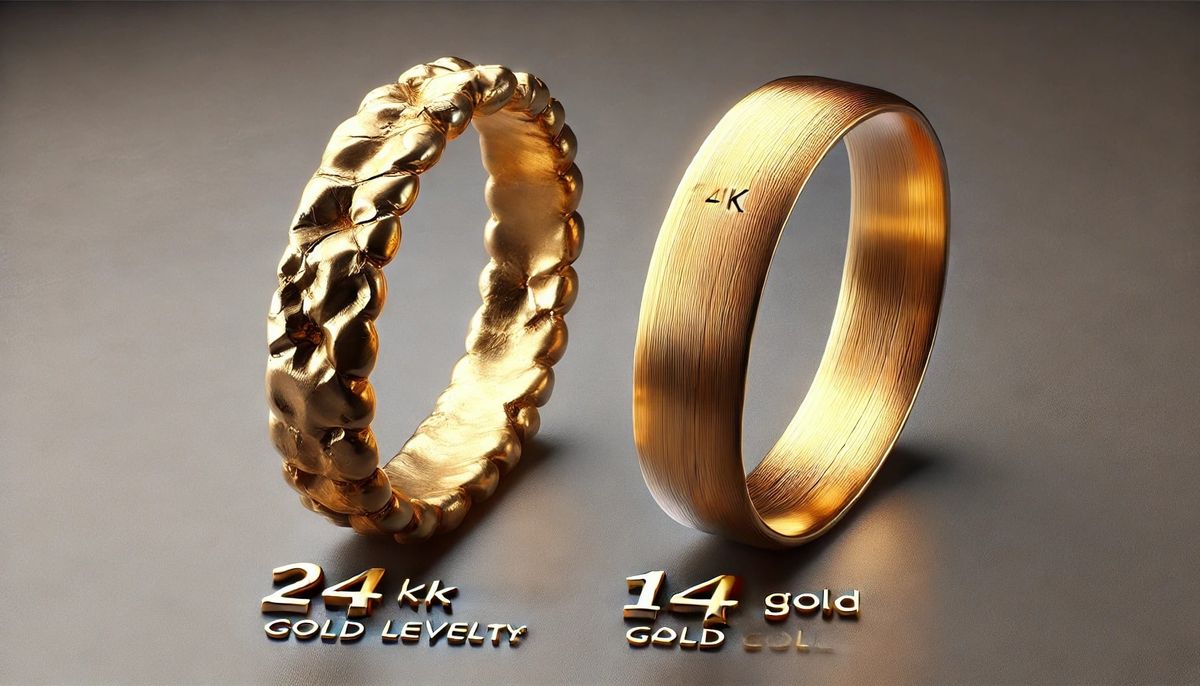
Uses and Drawbacks: Being utterly pure, 24K gold is considered the epitome of luxury. However, its softness forbids it from use in rings, bracelets, or any other day-to-day jewelry. It's more common in collectible coins, gold bars, or ceremonial pieces of jewelry that aren't exposed to heavy wear. Also, at times, its bright yellow hue can be overly vibrant compared with the more subtle tones of the lower-karat gold.
Best for: Investments, ceremonial pieces, or heirloom jewelry which will be well taken care of.
2. 22K Gold
- Purity: 91.7% gold, 8.3% alloyed metals
- Color: Vivid yellow, slightly less saturated than 24K
- Durability: Softer than 18K but more durable than 24K
- Cost: High but slightly more reasonable than 24K
Uses and Drawbacks: 22K gold has a balance of purity and strength, hence it remains in use in countries like India, which have specific cultural usabilities for gold jewelry. However, as such, it is still relatively soft compared to lower-karat gold and best fitted for use in jewelry that may not be exposed to tough usage.
Best for: Wedding jewels, classic designs or pieces for occasions.
3. 18K Gold
- Purity: 75% pure gold, 25% alloyed metals
- Color: Rich, warm yellow, though varieties include rose gold and white gold, as well.
- Durability: Stronger than 22K, suitable for everyday wear.
- Cost: A good balance of affordability and quality
Uses and Drawbacks: 18K gold is also a favorite for fine jewelry, including engagement rings, necklaces, and bracelets. It offers a very luxurious gold content while being hard enough to avoid scratching and bending. It looks really great with diamonds and other precious stones too. However, it is pricier than 14K and not as strong as 10K.
Best for: Everyday jewelry, engagements, and statement pieces.
4. 14K Gold
- Purity: 58.3% gold, 41.7% alloyed metals
- Color: Softer yellow, white, or rose tones
- Durability: Extremely durable, perfect for active wearers
- Cost: Very affordable and accessible
Uses and Drawbacks: 14K gold is a very popular choice in the U.S. because it is both very durable and affordable. It's strong enough to hold its shape through daily wear and tear, making it a great choice for items like wedding bands and earrings. The lesser concentration of gold does not lend an item the warm glow as much as 18K or 22K gold would.
Best for: Everyday wear, budget-conscious purchasers, and active lifestyles.
5. 10K Gold
- Purity: 41.7% gold, 58.3% alloyed metals
- Color: Pale yellow or white, depending on the alloy
- Durability: Very tough and scratch-proof
- Cost: The cheapest gold karat
Uses and Drawbacks: 10K gold has the smallest percentage of pure gold, making it more affordable. Although it might lack the brilliance and richness of higher karat weights, it is the most resistant to damage. However, because of the lesser gold content, some people develop skin irritation due to the presence of a higher amount of alloyed metals.
Best for: Budget-conscious consumers; high-wear items such as bracelets or men's rings; and fashion jewelry.
Which Gold Karat is Best for You?
Choosing the right gold karat depends on one's budget, lifestyle, and aesthetic taste. Here's a quick breakdown to help one decide:
- If you prefer purity over investment value: Go for 24K or 22K.
- If you need a balance between durability and luxury: Opt for 18K.
- If you're looking for affordability and resilience: Choose 14K.
- If you want the most durable and cheapest option: Look into 10K.
Comparing Gold Colors by Karat Levels
Yellow Gold
- Achieved by alloying gold with copper and silver.
- Most vivid in 24K and 22K; somewhat more subdued in 18K and 14K.
White Gold
- Created by mixing gold with nickel or palladium, giving it a silvery hue.
- Frequently plated with rhodium for extra shine and durability.
Rose Gold
- Made by alloying gold with a greater proportion of copper, giving it the pinkish-red color.
- Popular in 18K and 14K varieties for its unique, romantic look.
Practical Tips for Purchasing Gold Jewelry
Buying gold jewelry is a huge investment, both emotionally and financially. Whether you are buying a simple, timeless gold ring, stylish earrings, or a significant piece like a custom-made necklace, it's good to know the best way to make your choice. Here are some tips for wisely buying gold jewelry so that you can get the best value for your money:
1. Hallmark Check
The hallmark is the small engraving on the gold jewelry that certifies its karat rating and purity. Every real gold piece will carry a hallmark with which authenticity for the same could be verified. Depending on the country, hallmarks may also detail information regarding where the piece was tested or manufactured. Look for:
- The karat stamp such as 10K, 14K, 18K, etc.
- Additional certification marks "999" for 24K, "750" for 18K.
- The jeweler's identification stamp.
Pro Tip: Always buy gold pieces of jewelry from a reputable retailer so the hallmark will be real and reflect the correct karat.
2. Understanding Alloy Composition
As we have learned, gold is alloyed with other metals to make it last longer and to result in a range of colors. Knowing what kind of alloy can be useful in informing your decision:
- Nickel Alloys: Used in white gold but can cause allergic reactions in some sensitive persons.
- Copper Alloys: Used in rose gold to give it its characteristic pink color.
- Palladium or Platinum Blends: Common in high-end white gold, making it hypoallergenic.
If you have sensitive skin or are allergic to certain metals, ask specifically what your expected alloy mixture is within the piece of gold.
3. Consider Your Lifestyle
The karat level in your gold jewelry should be compatible with your daily life. That is to say:
- Active lifestyles: Call for a more resilient type of gold that can stand up to wear and tear, such as stronger and heavier types like 10K or 14K.
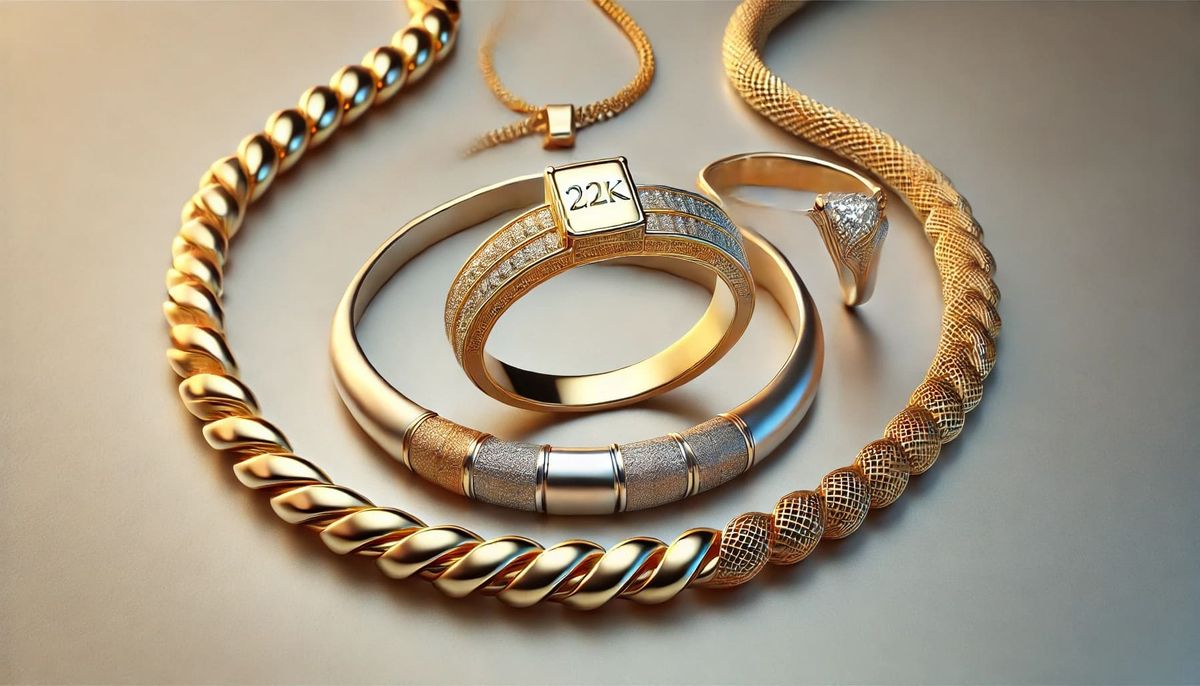
- Indoor or special occasions: Pieces worn less frequently, such as ceremonial jewelry, can be 18K or 22K for added luxury and shine.
- Everyday wear: For gold wedding rings or custom-designed necklaces, 14K and 18K offer an excellent balance between good looks and functionality.
4. Price Comparison
Some factors taken into consideration for determining the price of gold jewelry include:
- The rating in karat and weight of the gold.
- Craftsmanship and expense of design.
- Current market price of gold (varies by the day).
When comparing prices, work out the "price per gram" of the gold to make sure you pay the best price. Also, the more detail in the design or custom work, like engraving or setting gemstones, the higher the overall price.
5. Check the Purity of Your Gold with a Gold Tester
If one plans on purchasing used gold jewelry or has a need to confirm the purity of a certain piece, one can test it by using a testing kit. These types of kits will enable you, in some cases, to determine the karat level within your own home. Alternatively, you can have the piece tested by a reliable jeweler.
6. Do Research on the Seller
If you are purchasing from an online store or a retailer with whom you're unfamiliar, check the company's track record. Look for:
- Customer reviews and testimonials.
- Secure payment options.
- Transparent return and refund policies.
- Clear information about their customization services, such as necklace customization or custom-made rings.
Cultural Preferences of Gold Karats
Preferences for gold also vary significantly with cultural traditions, differing further by regional trends. Let's look at how different parts of the world favor specific karat levels:
1. India
In India, gold is more than a mere metal; it is a sign of prosperity, tradition, and celebration. Indian weddings, festivals, and all auspicious occasions are graced with 22K gold jewelry for its high purity and rich color. 24K gold is also popular for investment purposes, like gold coins or bars.
2. United States
In the U.S., practicality often trumps tradition, and 14K gold is the most popular. It's widely available, affordable, and durable enough for daily wear, making it a favorite for wedding rings, casual necklaces, and bracelets.
3. Middle East
Countries in the Middle East, such as Saudi Arabia and the United Arab Emirates, prefer 21K and 22K gold for jewelry. The higher purity aligns with cultural traditions, and the pieces often feature intricate craftsmanship.
4. Europe
European countries mainly use 18K gold, favored for its luxurious balance of purity and durability. Italy is particularly known for beautiful goldsmithing, with most pieces in 18K gold reflecting timeless elegance.
5. China and East Asia
In China, 24K gold holds significant cultural value, particularly in the form of the highest and purest items, such as bangles or figurines, often gifted at weddings or during the Lunar New Year. However, 18K gold is becoming increasingly popular for modern designs.
How Gold Karats Affect Color
1. Yellow Gold
- Higher karats (24K, 22K): Vivid, warm yellow with a rich, unmistakable glow.
- Lower karats (18K, 14K): Slightly paler but still holds its classic golden hue.
2. White Gold
- Whiter tones: In 18K or 14K gold, achieved by alloying gold with nickel or palladium.
- Rhodium-plated: Frequently applied to give a brilliant, silvery appearance, especially for custom necklaces and modern engagement rings.
3. Rose Gold
- Pinkish-red tones: Achieved by adding a high proportion of copper to gold.
- 14K rose gold: Most dramatic pink hue.
- 18K rose gold: Subtler and more sophisticated look.
How to Care for Gold Jewelry
Gold jewelry, regardless of karat, requires proper attention to care. Here are some tips that will keep yours looking their best:
1. Routine Cleaning
- Use warm water, mild soap, and a soft cloth to clean your gold jewelry.
- Avoid abrasive cleaners, as they could scratch the surface.
- For intricate designs and set gemstones, consider professional cleaning to avoid damaging delicate areas.
2. Safe Storage
- Store your gold piece in a soft cloth or a jewelry box to avoid scratching.
- Keep items separated to prevent tangling or scuffing against other pieces.
3. Avoid Chemicals
- Remove gold jewelry while swimming, showering, or using household cleaners.
- Avoid prolonged exposure to perfumes, lotions, and hairsprays, as these can dull the luster of gold over time.
4. Protect Against Impact
Avoid activities that might scratch or dent softer gold, such as 24K or 22K.
Gold Jewelry Investment: A Timeless Choice
Gold is not just a beautiful metal; it's an investment in tradition, culture, and personal style. By understanding karat levels, alloy compositions, and cultural preferences, you can confidently choose the perfect piece of gold jewelry for yourself or a loved one. From eye-catching 18K rings to custom-engraved necklaces, gold jewelry is designed to last, creating heirlooms that endure for generations.