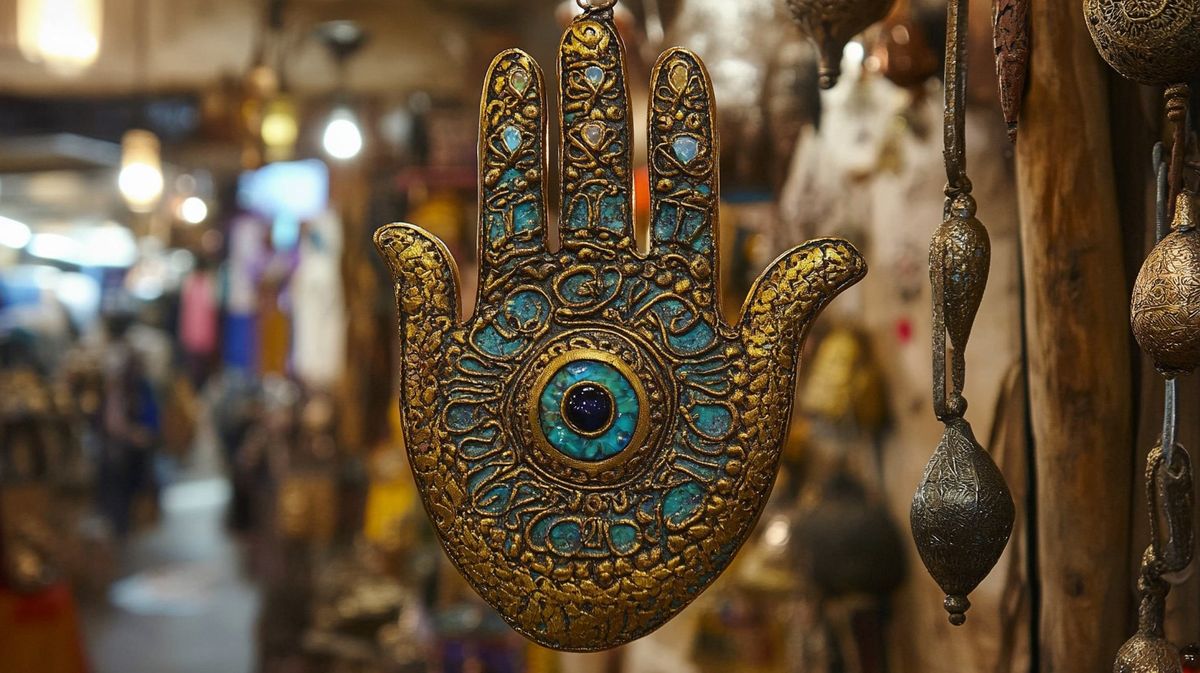
Why do so many people—regardless of faith or background—wear the Hamsa hand? This seemingly simple symbol, often worn as jewelry or hung in homes, holds centuries of mysticism, spirituality, and hope.
From the bustling markets of Marrakech to the boutiques of Los Angeles, the Hamsa hand transcends time and culture. But what does it really mean? And why has it become such a powerful talisman in both ancient and modern life?
Table of Contents
- What Is the Hamsa Hand?
- Origins of the Hamsa Hand
- Religious Significance Across Cultures
- Hamsa Hand Facing Up or Down: What’s the Difference?
- The Rise of Hamsa Jewelry in Modern Fashion
- Hamsa Hand vs Evil Eye: What's the Difference?
- Frequently Asked Questions (FAQ)
What Is the Hamsa Hand?
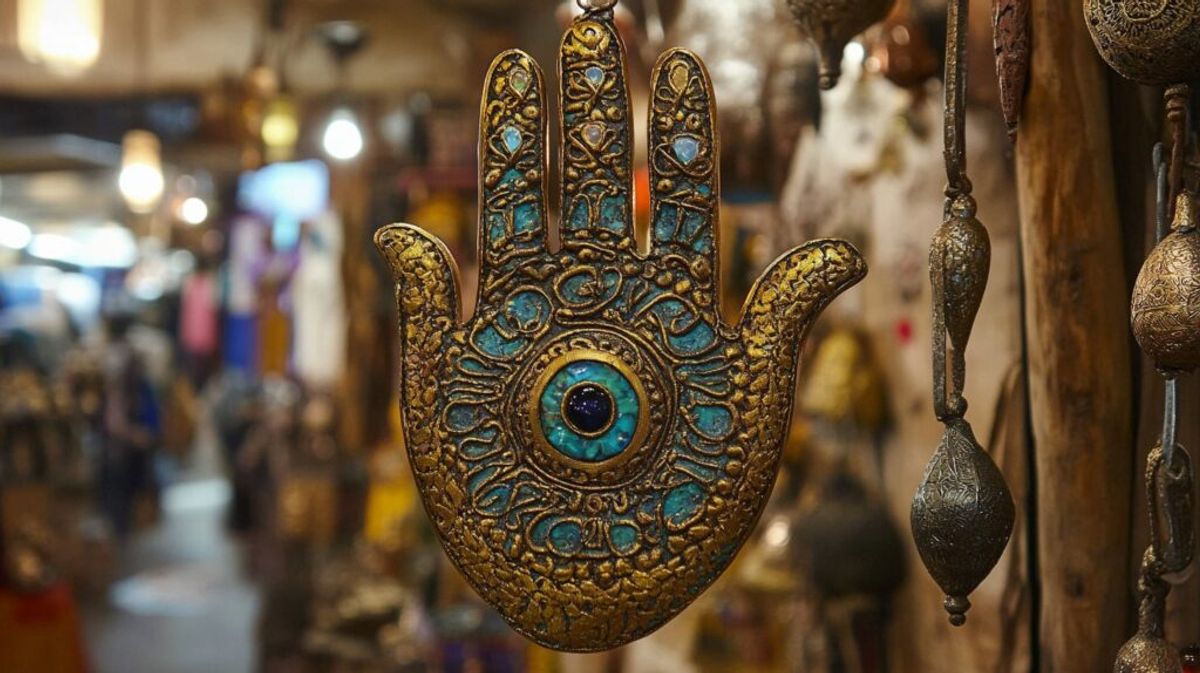
The Hamsa hand is an ancient symbol shaped like an open palm with five extended fingers, often with an eye in the center. It’s universally recognized as a protective amulet used to ward off the “evil eye”—a malicious glare believed to cause harm or misfortune.
Quick Facts:
- Names: Hamsa, Hand of Fatima, Hand of Miriam, Khamsa
- Origins: Middle Eastern and North African traditions
- Symbolism: Protection, blessings, power, strength
Origins of the Hamsa Hand
Let’s rewind the clock. Thousands of years ago, in ancient Mesopotamia and Carthage, the earliest forms of the Hamsa began to appear. Carved onto stones and hung in homes, it was believed to invoke divine protection against misfortune.
In Arabic, “khamsa” means five—referring to the five fingers. In Jewish tradition, it also relates to the Five Books of the Torah. Meanwhile, in Islamic culture, it’s often referred to as the Hand of Fatima, named after the Prophet Muhammad’s daughter.
A Symbol Passed Down Generations
The symbol didn’t just survive. It evolved. Passed down from mothers to daughters, it made its way into jewelry, clothing, and household decor, eventually becoming a cultural mainstay across the Middle East and beyond.
Religious Significance Across Cultures
Few symbols manage to transcend religious boundaries the way the Hamsa does. Its appeal is not limited to one belief system—it’s embraced across Judaism, Islam, Christianity, Hinduism, and Buddhism, each infusing it with unique interpretations.
Judaism – The Hand of Miriam
In Jewish folklore, the Hamsa is associated with Miriam, the sister of Moses. It represents protection, especially against the “ayin hara” (evil eye), and is often combined with the Star of David for added meaning.
Islam – The Hand of Fatima
Named after Fatima Zahra, daughter of the Prophet Muhammad, the symbol represents patience, loyalty, and faith. The five fingers also represent the Five Pillars of Islam.
Christianity – The Open Hand of Mary
Although less common, some Christian communities use the Hamsa as a symbol of the Virgin Mary’s guidance and intercession, symbolizing compassion and divine blessing.
Hinduism & Buddhism
Though the iconography varies slightly, the open hand—known as “Abhaya Mudra” in Buddhism—is a common motif representing peace and protection, bearing similarities to the Hamsa’s symbolic purpose.
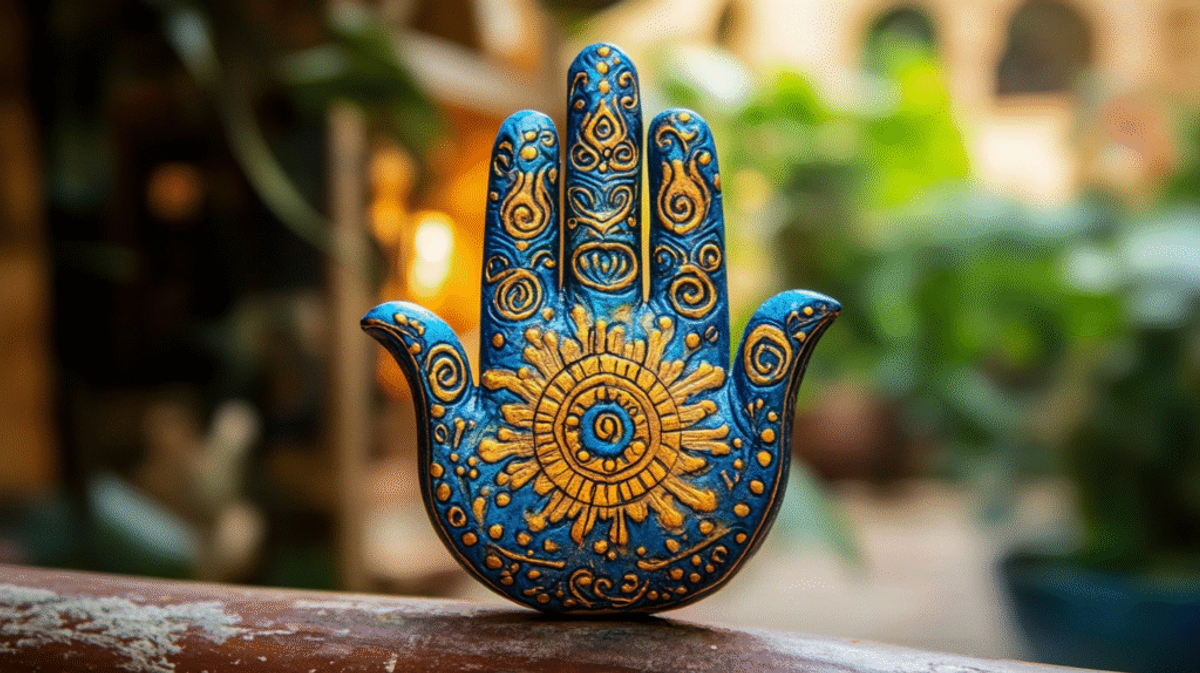
Hamsa Hand Facing Up or Down: What’s the Difference?
The direction in which the Hamsa faces changes its meaning. That’s right—this isn’t just a decorative choice; it speaks volumes.
OrientationMeaningFacing DownOpenness, abundance, fertility, blessingFacing UpProtection, warding off evil, defense against negative energy
Some modern designs feature a reversible Hamsa—covering all bases, just in case.
The Rise of Hamsa Jewelry in Modern Fashion
Here’s where it gets interesting. While the Hamsa began as a spiritual talisman, it’s now a staple in modern jewelry collections—from celebrity red carpets to Instagram influencers.
Why Is Hamsa Jewelry So Popular?
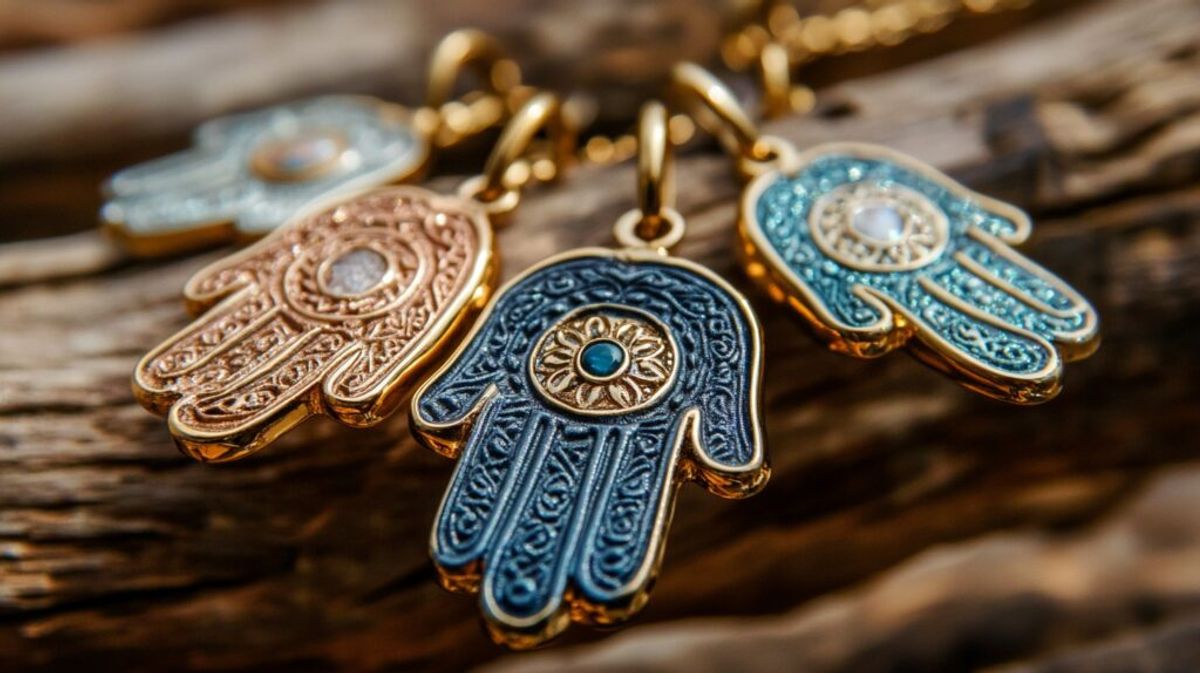
It’s the perfect blend of fashion and meaning. You’re not just wearing a pendant or bracelet; you’re carrying a legacy of protection and empowerment. The designs range from minimalist gold outlines to ornate gemstone-studded pieces.
Popular Hamsa Jewelry Styles:
- Necklaces: Often feature a gemstone “evil eye” in the center
- Bracelets: Layered with other spiritual charms
- Earrings: Lightweight, bohemian-style designs
- Rings: Statement pieces, sometimes adjustable
Pro tip: When buying Hamsa jewelry, look for handmade or artisan-crafted pieces for authenticity and cultural integrity.
Hamsa Hand vs Evil Eye: What's the Difference?
Here’s a common misconception: the Hamsa hand and Evil Eye are the same thing. Not quite. They often appear together but serve slightly different purposes.
FeatureHamsa HandEvil EyeSymbolOpen hand with fingers spreadEye motif, usually blue and whitePurposeProtection and blessingWards off harmful energyOriginMiddle East/North AfricaGreece, Turkey, Mediterranean
Together, they make a powerful duo against negativity—like spiritual armor with style.
Hamsa in Daily Life: More Than Just a Symbol
Walk into a yoga studio, a holistic spa, or a boho-chic home—and chances are, you’ll see a Hamsa somewhere. The ancient meaning has found new soil in today’s spiritual revival, where symbols hold energy and intention.
Daily Rituals with the Hamsa
In modern metaphysical practices, the Hamsa is often included in meditation spaces, vision boards, or worn during spiritual rituals. Some people charge their Hamsa jewelry under the full moon or pair it with affirmations of protection and clarity.
- Home Decor: Hung on walls or doors to bless the household
- Altar Pieces: Used in spiritual altars for grounding and strength
- Crystals + Hamsa: Often paired with stones like black tourmaline or amethyst
- Gifting: Given to loved ones for protection, especially newborns or newlyweds
But that’s not all...
The Hamsa as an Energy Anchor
Energy workers, Reiki practitioners, and holistic healers use the Hamsa as a visual and energetic anchor. It’s a reminder to remain open (hand down) or assert boundaries (hand up). A small shift in orientation, a big shift in intention.
Cultural Adaptations and Artistic Variations
Across continents, the Hamsa has been reshaped by artistic traditions and local beliefs—each imprinting it with their own symbolic dialect.
Moroccan Hamsa: Earthy Elegance
Often crafted in silver or brass, the Moroccan Hamsa features swirling designs, Berber etchings, and often includes an embedded eye or sapphire stone. These talismans are found adorning doorways or embedded into architectural details.
Indian Adaptations: Color and Festival
In Indian spiritual design, you might find Hamsas hand-painted in vibrant hues, sometimes integrated with mandalas or sacred geometry. These are especially prominent during Diwali and Navratri, where protection and blessings are emphasized.
Western Interpretations: Minimalist Meets Mystical
In contemporary Western design, the Hamsa has been modernized into sleek, clean silhouettes. Often seen in fine gold or silver chains, it’s stripped of ornate detail to emphasize the powerful simplicity of the form. Still meaningful. Still potent.
Symbolism in Tattoos, Wall Art & Fashion
Let’s break it down—today, the Hamsa isn’t confined to necklaces. It has blossomed into ink, canvas, and couture.
Hamsa Tattoos
Body art seekers choose the Hamsa for deeply personal reasons. Whether placed on the forearm, neck, or shoulder blade, it becomes a lasting vow to protect one’s energy, remember one’s roots, or simply carry a reminder of strength and resilience.
Popular Tattoo Pairings:
- Hamsa + Mandala: A union of protection and infinite consciousness
- Hamsa + Eye: Heightened vigilance and awareness
- Hamsa + Lotus: Rebirth, purity, and sacred blossoming
Wall Art and Murals
Urban artists have repurposed the Hamsa into powerful murals—an open palm rising above cityscapes like a protective shield over chaos. In home interiors, Hamsa wall hangings are often placed near the main entrance, guarding the energy field of the space.
Fashion with Meaning
Bohemian brands, yoga wear, and high-end designers have all embraced the Hamsa. It graces scarves, embroidered denim, handbags, and even swimwear. The appeal? It’s an aesthetic that transcends trend, rooted in ancient meaning yet ever-evolving in its relevance.
How to Choose the Right Hamsa
Not all Hamsas are created equal. Whether you’re buying a necklace or wall piece, your intention should guide your choice.
TypeBest ForSymbolic FocusJewelry (Gold/Silver)Daily wear, energy protectionPersonal strength, luckWall HangingHome & sacred spaceEnvironmental harmony, warding off negativityTattooSpiritual declarationLegacy, identity, transformationCrystals + HamsaHealing work, ritual useChakra alignment, vibrational protection
Here’s where it gets fascinating—many spiritual guides recommend “cleansing” your Hamsa upon purchase. This can be done with sage, salt, sunlight, or intention-setting rituals. It’s not just an object; it’s a partner in your spiritual ecosystem.
The Timelessness of the Hamsa: Past Meets Future
In a world that often feels unpredictable, the symbols we carry matter more than ever. The Hamsa—rooted in ancient wisdom, shaped by migration, war, faith, and memory—continues to protect and guide.
Whether you wear it over your heart, ink it on your skin, or gift it to a loved one, the Hamsa isn’t just decoration—it’s declaration. A declaration of light, of intention, of boundary and grace.
And perhaps that’s why, despite all its aesthetic permutations, the heart of the Hamsa remains unchanged: a hand held open to the universe, simultaneously protecting and blessing everyone it touches.