Jewelry is meant to sparkle, and over time you may find your favorite items turning black, dull, or discolored. It is brought on by oxidation, a natural chemical reaction that happens when certain metals like silver, brass, and copper react with air, moisture, and certain chemicals.
But don't worry—oxidization is reversible! Whether it's a tarnished silver necklace, a dull brass bracelet, or a copper ring that's lost its luster, this tutorial will instruct you how to safely and efficiently clean oxidized jewelry at home.
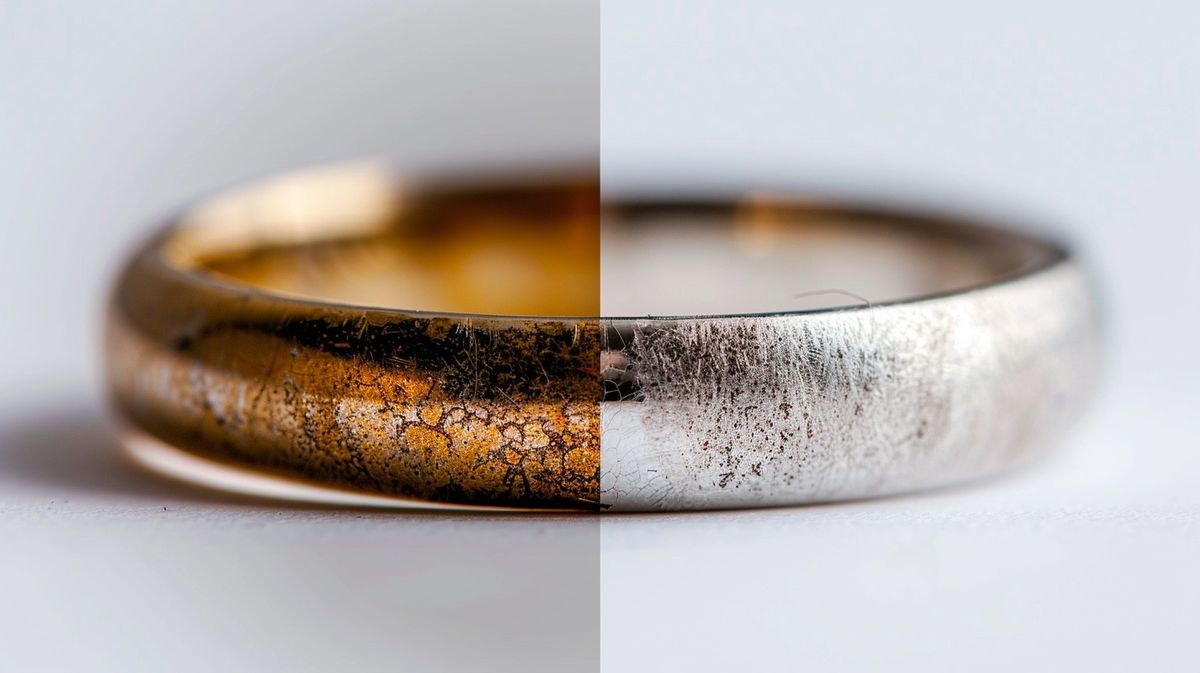
Table of Contents
- What is oxidation and why does it happen?
- How to Clean Oxidized Jewelry at Home
- 1. Water and Baking Soda (For Brass, Copper, and Silver)
- 5. Commercial Jewelry Cleaners (For Sensitive Metals)
- How to Clean Oxidized Jewelry Depending on Metal Type
- What NOT to Use on Oxidized Jewelry
- How to Prevent Jewelry from Oxidizing
- FAQs on Cleaning Oxidized Jewelry
What is oxidation and why does it happen?
Oxidation is a chemical reaction between the metal and atmospheric oxygen. When metals like silver, brass, copper, and even gold alloys come into contact with air, moisture, sweat, or harsh chemicals, they develop a dark, tarnished coating.
What is Tarnish vs. Oxidation
- Oxidation is a nonspecific reaction with oxygen, which can lead to patina (an acceptable, sometimes natural color change) or unwanted color change.
- Tarnishing is a type of oxidation, usually resulting in a black or dark coating on metals like silver and copper.
What Metals Oxidize Most Easily?
- ✔ Silver - Turns black over time since it is exposed to sulfur in the air.
- ✔ Copper & Brass - Develop a bluish-green verdigris when exposed to water.
- ✔ Gold (under 18K) – Gold is not tarnished on its own, but gold alloys (especially 14K and 10K) tarnish due to other alloys in the combination.
How to Clean Oxidized Jewelry at Home
Different metals require different processes. Here is the safest and most effective way to restore oxidized jewelry:
1. Water and Baking Soda (For Brass, Copper, and Silver)
Recommended for: Light oxidation on silver, brass, and copper jewelry.
- Step 1: Mix one tablespoon of baking soda with a few drops of water to make a paste.
- Step 2: Apply the paste to the jewelry using a soft cloth or toothbrush.
- Step 3: Lightly clean the surface, focusing on tarnished areas.
- Step 4: Rinse with warm water and dry with a mild cloth.
Tip: If oxidation remains, repeat the process or soak the item 10 minutes before scrubbing.
2. Lemon and Salt (For Brass and Copper)
Recommended for: Brass and copper jewelry that has developed a greenish or dull tarnish.
- Step 1: Cut a lemon in half and sprinkle salt over the cut surface.
- Step 2: Rub lemon on the jewelry directly.
- Step 3: Let it rest for 2-3 minutes to break down oxidation.
- Step 4: Wash in warm water and dry.
How It Works: The acid in lemons breaks oxidation, and salt is a mild abrasive that removes tarnish.
Tip: After you've cleaned it, apply a small amount of coconut oil or olive oil to prevent future oxidation of the metal.
3. Vinegar & Baking Soda Soak (For Heavy Oxidation)
Recommended for: Severely tarnished silver, brass, or copper jewelry.
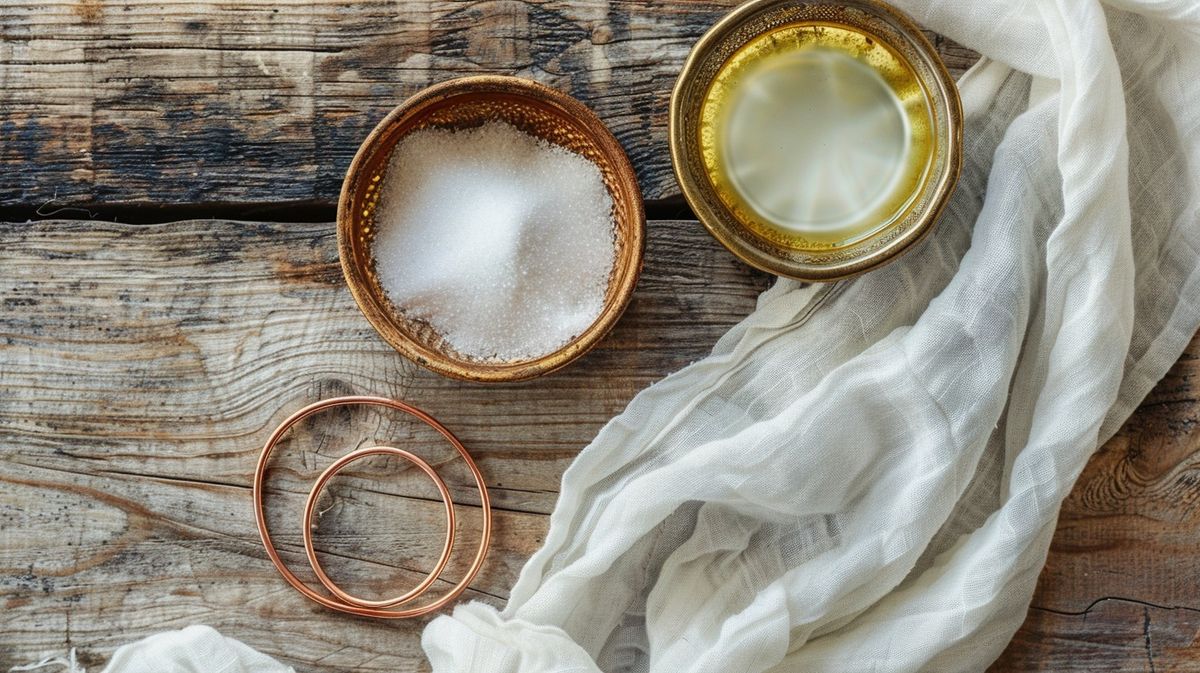
- Step 1: Mix ½ cup white vinegar and 2 tablespoons of baking soda in a bowl.
- Step 2: Soak the jewelry for 10-15 minutes.
- Step 3: Remove any remaining oxidation with a gentle toothbrush.
- Step 4: Rinse thoroughly and dry with a soft cloth.
Warning: Avoid overuse of vinegar as it will eventually weaken soft metals.
4. Aluminum Foil & Baking Soda Bath (For Silver)
✔ Use on: Sterling silver jewelry that has discolored.
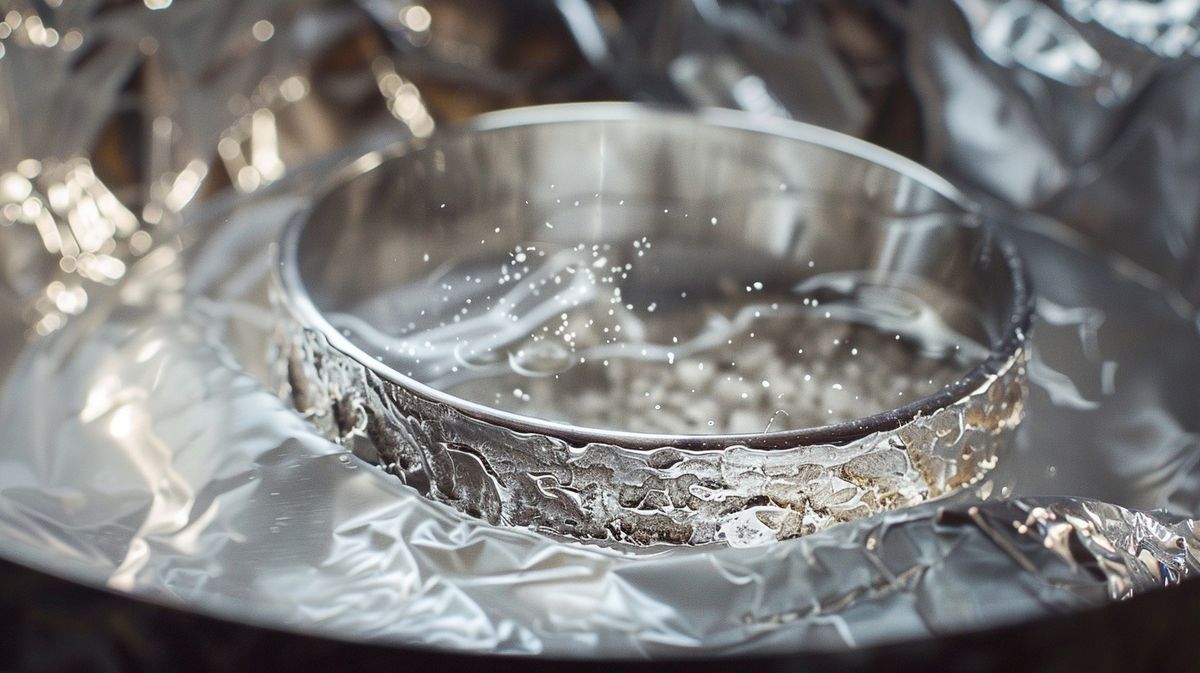
- Step 1: Wrap a bowl with aluminum foil (shiny side up).
- Step 2: Fill the bowl with hot water and add 1 tablespoon of salt and 1 tablespoon of baking soda.
- Step 3: Soak the jewelry in the solution and let it rest for 5-10 minutes.
- Step 4: Wash in warm water and buff with a soft cloth.
How It Works: The aluminum initiates an electrochemical reaction, pulling tarnish off of the silver without scrubbing.
5. Precious Metal Jewelry Cleaners (Commercial)
Ideally suited to: Gold, platinum, and jewelry studded with stones.
- ✔ Follow the manufacturer's instructions on the jewelry cleaner.
- ✔ Clean crevices using a soft brush.
- ✔ Rinse with lukewarm water and pat dry.
Recommended Ingredients: Use ammonia-free solutions, especially when working with gold and platinum jewelry.
How to Clean Oxidized Jewelry Based on Metal Type
Metal Type Best Method of Cleaning Avoid Silver Aluminum foil and baking soda soak Abrasive toothpaste, brush Brass Lemon and salt rub Vinegar (can over-strip patina) Copper Baking soda paste Ammonia cleaners Gold Soap and water Vinegar, lemon, and baking soda
What NOT to Use on Oxidized Jewelry
- 🚫 Toothpaste – Though often recommended, too abrasive toothpaste will scratch sensitive gemstones and metals.
- 🚫 Bleach or Ammonia on Soft Metals – They corrode the metal over time and permanently damage gold, silver, or brass.
- 🚫 Lemon Juice on Silver or Gold – Lemon is great on brass and copper, but it can be detrimental to silver and gold by over-removing the surface.
- 🚫 Rough Brushes or Scrub Pads – Always use a microfiber cloth or soft-bristled toothbrush to avoid scratching.
- 🚫 Boiling Water (for Jewelry with Gemstones) – High temperature can loosen glued stones or crack delicate stones such as opals and emeralds.
✔ Preferred Options: Use mild, natural cleaners like baking soda, mild soap, and vinegar (for specific metals).
Preventing Jewelry Oxidization
The simplest solution is to preclude it from happening in the first place. Here are some simple yet effective ways to keep your jewelry in brand new condition:
- ✔ Store Jewelry Properly – Keep jewelry in an airtight container or zip-lock bag to reduce air exposure.
- ✔ Keep Jewelry Dry – Remove your jewelry when you shower, bathe, or wash dishes.
- ✔ Avoid Harsh Chemicals – Do not expose jewelry to household cleaners, perfumes, lotions, and hairspray.
Tip: Wrap the jewelry in a soft anti-tarnish cloth before storage if you intend to store it long-term.
FAQs on Oxidized Jewelry Cleaning
Why is my jewelry oxidizing so rapidly?
Jewelry tarnishes faster when it comes into contact with humidity, chemicals, or oils of the skin. If your skin is acidic, your jewelry will tarnish earlier.
Can I Clean Oxidized Jewelry Using Toothpaste?
No, toothpaste is too abrasive and will scratch both the stones and the metals.
How frequently should I clean my jewelry?
- 2-4 weeks for items that get used regularly.
- Periodically on stored-away items—check on them every few months for oxidation.
Can oxidation permanently harm my jewelry?
No, oxidation is a surface reaction and is reversible. But left standing too long, tarnish will corrode softer metals like silver or brass.
Jewelry should be stored in airtight containers to prevent oxidation. Store it in a dry, airtight container with anti-tarnish strips or silica gel to absorb moisture.
By using the correct cleaning methods and maintenance care, your jewelry will be brilliant, radiant, and oxidation-free for years to come.