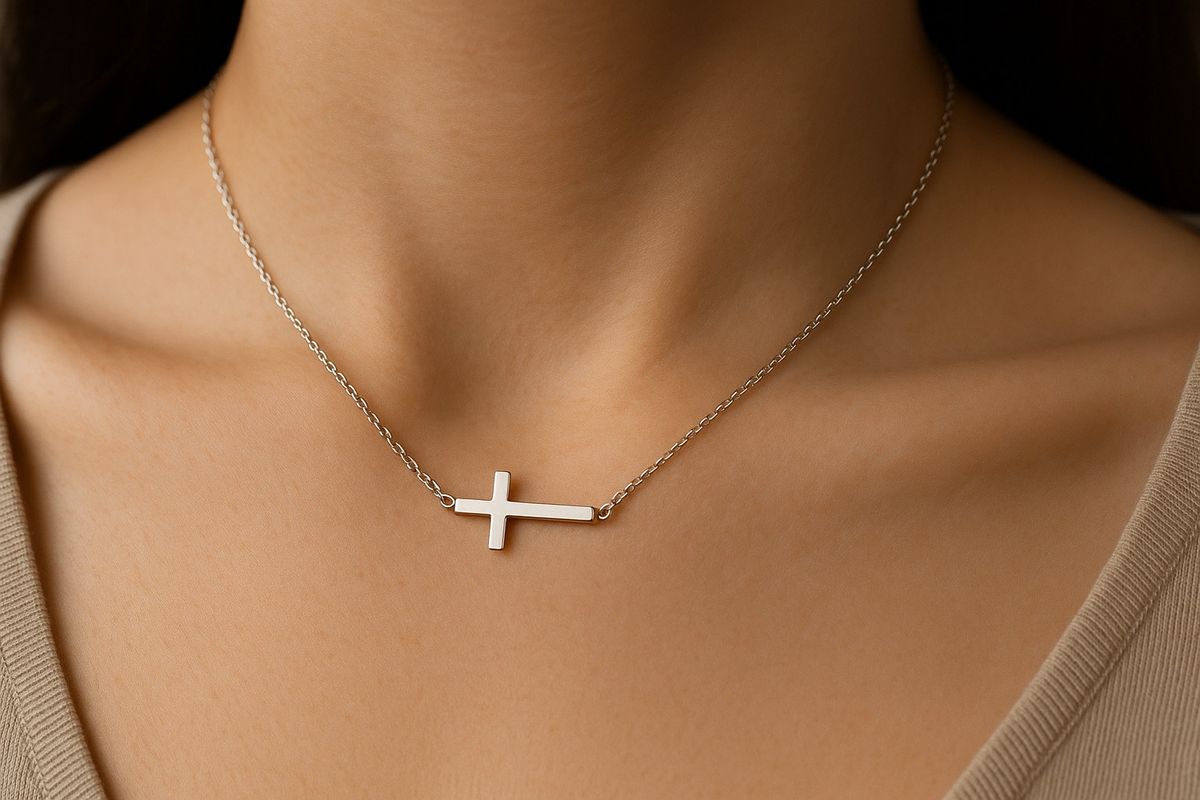
It looks like the traditional Christian cross—just tilted. A small shift in angle, but for many, a sideways cross opens the door to new interpretations of faith, identity, and balance. Whether worn as jewelry, inked in skin, or spotted in modern art, this symbol has become a quiet statement of strength, belief, or personal journey.
So what does it really mean when a cross leans sideways? The answer is layered. It depends on who wears it—and why.
Jump to:
⛪ The History of the Cross
The cross has long been one of the most recognized and revered symbols in human history. Found in both ancient and modern cultures, it carries layers of meaning—spanning sacrifice, salvation, power, and peace.
Within Christianity, the cross became a sacred emblem of Jesus Christ's crucifixion. Its vertical and horizontal lines symbolize the intersection of divinity and humanity—God reaching down, man reaching back.
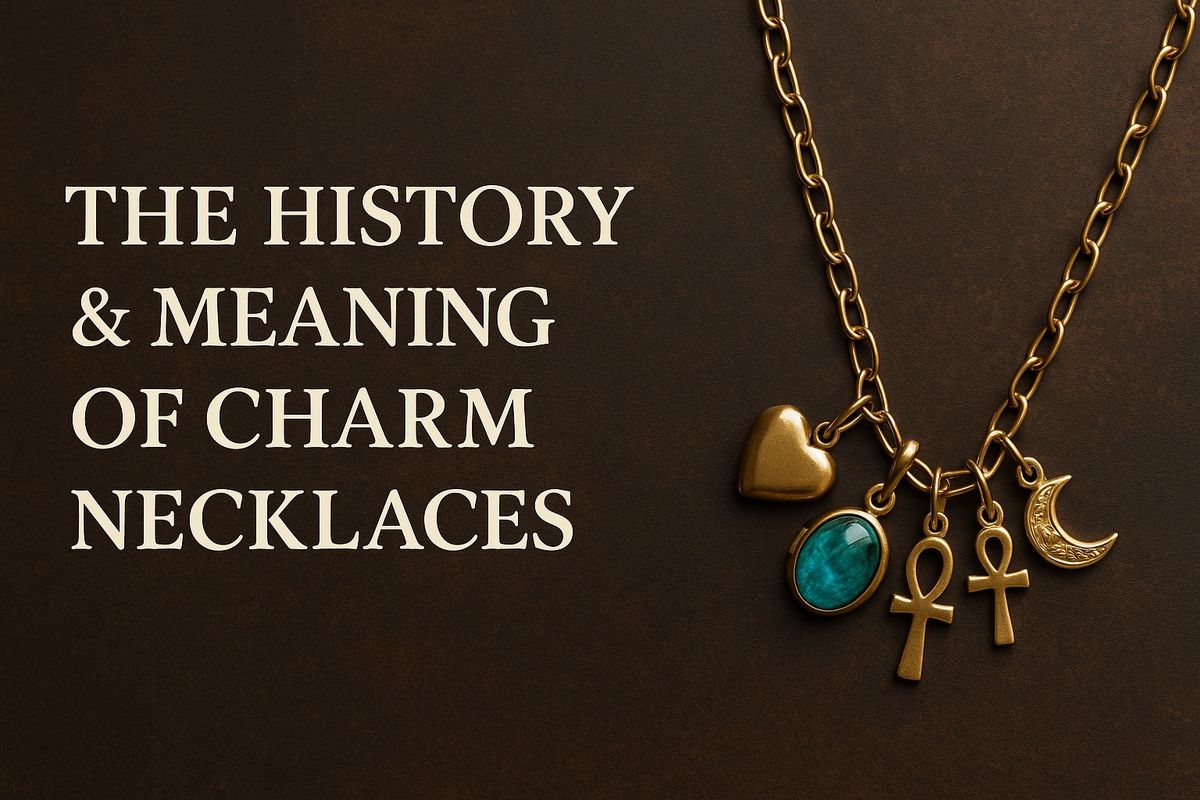
But this sacred shape predates Christianity too. Ancient Egyptians used cross-like shapes such as the Ankh to represent life. Celtic crosses spoke of unity, the seasons, and nature’s rhythm. Across time, hundreds of types of crosses have emerged, each telling its own story.
The sideways cross? That’s a newer chapter—one born at the edge of tradition and reimagined belief.
🙏 What Does a Sideways Cross Mean Spiritually?
Unlike the upright cross, which emphasizes sacrifice and vertical connection, the sideways cross leans into motion, transition, and personal interpretation. Here's what many believe it represents:
The sideways cross can symbolize:
- Finished faith – A symbol that Christ's work is done, the cross now laid down
- Carrying the message – Walking forward with the gospel on your path
- Balance – Equal pull between heaven and earth, spiritual and physical
- Humility – A bowed form, lower than the traditional upright cross
- Freedom – Less bound by religious rules, more open to interpretation
For many Christians, it’s not a replacement of faith—it’s a quiet evolution. A way to wear belief in a form that reflects action, not just reverence.
"To me, the sideways cross means I’m walking with Jesus—not just looking at Him on the cross."
— Ava, 32, North Carolina
Still, not all agree. Some believers feel turning the cross on its side dilutes its holiness or even hints at disrespect. That’s why understanding the wearer’s intent is so important.
🌍 Cultural & Geographic Symbolism
The sideways cross isn’t just a Christian innovation. In some cultures, it echoes national pride or ancient visual language.
- Nordic Cross: Seen in Scandinavian flags (like Sweden, Norway, and Finland), this cross is intentionally horizontal—meant to show strength, tradition, and balance.
- Indigenous Motifs: Certain tribal carvings or woven symbols use lateral cross shapes to mark harmony, cardinal directions, or nature’s rhythm.
- Modern Minimalism: In graphic design and global branding, the sideways cross appears as a clean, non-verbal nod to direction and simplicity.
This is where the symbol becomes fluid—it can mean devotion, heritage, neutrality, or just a love for minimalist lines.
💎 The Sideways Cross in Fashion & Identity
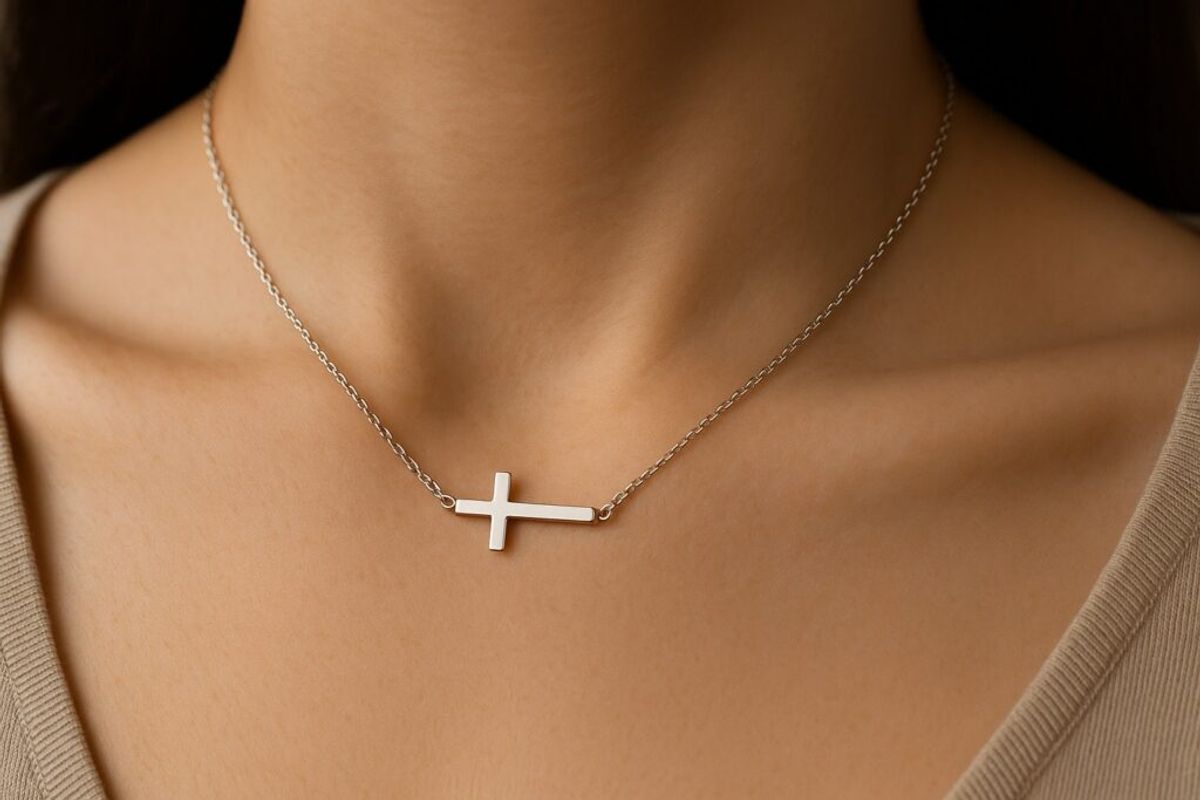
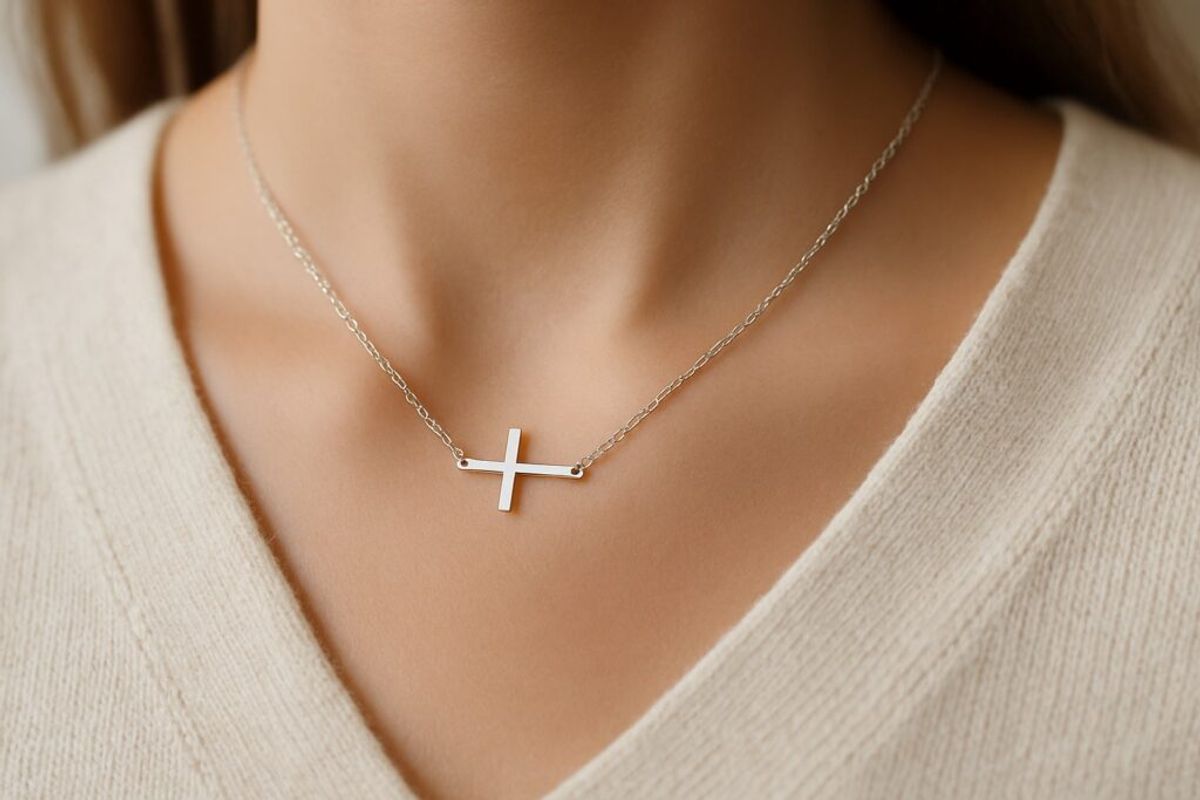
In recent years, the sideways cross has become a staple of modern jewelry—especially in fine necklaces and bracelets. Often referred to as a side cross necklace, this piece blends elegance with quiet intention.
Designers favor the sideways cross for its clean silhouette. It hugs the neckline, often slightly tilted, creating a look that’s both spiritual and contemporary.
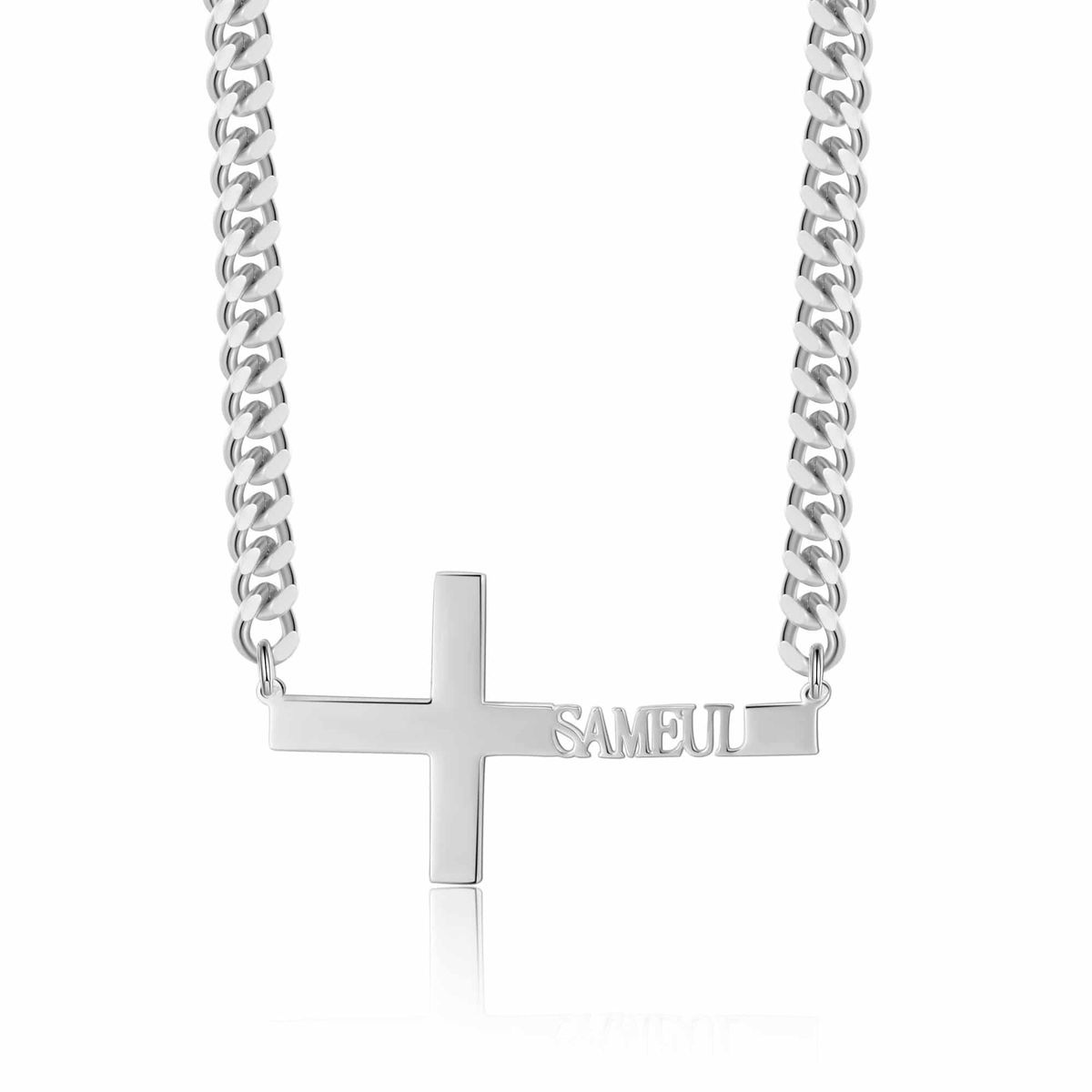
It’s been spotted on public figures like Jennifer Lopez and Hailey Bieber—not always as a bold statement of faith, but as a symbol of grounding, direction, or aesthetic peace.
Unlike large crucifixes or ornate religious jewelry, a side cross necklace leans toward intimacy. It’s more about what it means to you than what others think it means.
"I wore a sideways cross necklace after losing my mom. It didn’t scream grief or faith—but it helped me feel tethered. Like I wasn’t alone in the world."
— Elena, 27, Arizona
Whether you’re religious, spiritual-but-not-religious, or simply drawn to the design, the sideways cross is proof that symbols evolve—and personal meaning matters.
❗ Misunderstandings & Controversies Around the Sideways Cross
While many embrace the sideways cross as a meaningful adaptation of a timeless symbol, it’s not without controversy.
Some religious communities argue that turning the cross sideways diminishes its sacred weight. They see it as too modern, too diluted—or even as a sign of rebellion. Others believe that it's disrespectful to reinterpret something so foundational to the Christian faith.
But here’s what matters most: intent. For many, the sideways cross isn’t about breaking from faith—it’s about carrying it forward, into the everyday. It’s a walking symbol. A cross in motion. A quiet companion on a personal spiritual path.
Still, it’s worth being mindful of how and where you wear it—especially in interfaith spaces or formal religious settings where tradition is held tightly.
💡 How to Wear a Sideways Cross Meaningfully
If you’re considering a sideways cross—whether for personal use or as a gift—it’s not just about what you wear. It’s about how you wear it.
➤ Direction: Left or Right?
- Left-leaning cross (lower end on the left): Often seen as forward-moving. Symbolizes progress, journey, or “carrying your cross” through life.
- Right-leaning cross (lower end on the right): Some interpret this as reflecting on past struggles or anchoring in tradition.
➤ Jewelry Types
- Necklaces: The most popular format. Simple chains with a horizontal bar cross—clean and elegant.
- Bracelets: Often paired with cord or leather for a more casual, symbolic accessory.
- Earrings or rings: Less common, but increasingly used as minimalist nods to spirituality.
➤ Material Meanings
- Gold: Warmth, tradition, sacredness
- Silver: Reflection, serenity, modernity
- Black metals or matte: Humility, grounding, simplicity
Ultimately, it’s less about trends—and more about truth. Wear what feels aligned with your journey.
❓ Frequently Asked Questions
Is the sideways cross a Christian symbol?
Yes, for many people it is. The sideways cross is often used to represent the completed work of Christ, a walk of faith, or carrying the cross in one’s daily life. However, it’s also used in non-religious and fashion contexts.
Is wearing a sideways cross disrespectful?
It depends on intent. Many believers wear it as a sincere symbol of walking with faith. However, others—especially in conservative circles—may view it as unconventional or irreverent. Respect for context is key.
Can non-religious people wear a sideways cross?
Absolutely. While rooted in Christianity, the sideways cross has become a broader symbol of direction, strength, balance, or personal meaning. Many wear it as a symbol of remembrance or life balance.
Is the sideways cross the same as an inverted cross?
No. An inverted cross (upside-down) is a different symbol entirely—often misunderstood and sometimes associated with anti-religious sentiment. The sideways cross is not related to that imagery.
Why is the sideways cross so popular in fashion?
It blends modern minimalism with spiritual undertones. It’s subtle, versatile, and carries deep symbolism without being overtly religious—making it appealing across cultures and beliefs.
🕊 A Symbol in Motion
The cross is one of the oldest and most sacred symbols in the world. Tilting it sideways doesn’t always mean rebellion—it can mean evolution. A shift in perspective. A walk instead of a monument.
To some, it’s about Christ’s journey. To others, it’s a sign of their own.
Whether you wear it for faith, fashion, memory, or meaning, the sideways cross invites something ancient into the modern world—and asks it to keep moving forward, with you.