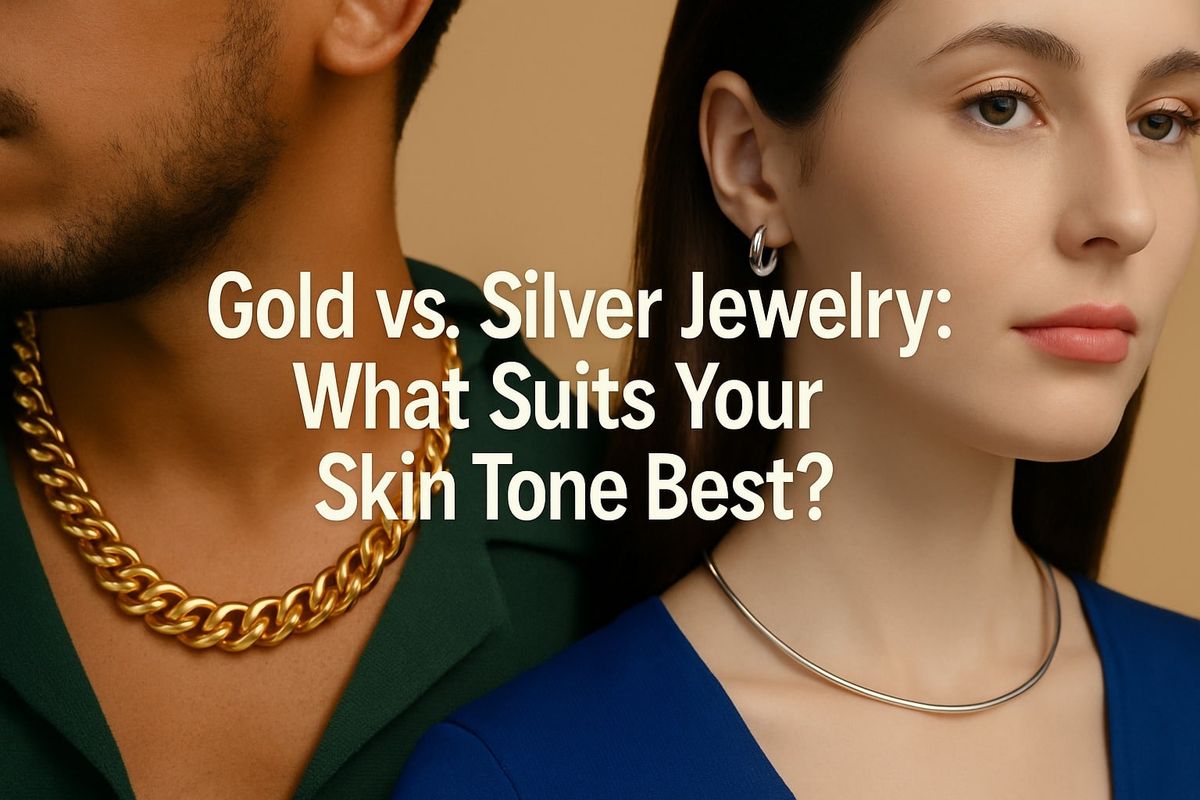
Ever bought a foundation that looked perfect in the store, only to find out it didn’t match at all in natural light? Or maybe you’ve tried on a custom gold necklace and thought, "Why does this look off on me?"
The secret? Your skin tone and undertone.
Knowing your skin tone isn’t just about makeup—it also helps with choosing the best clothing colors, jewelry, and even hair dyes that enhance your natural beauty. But here’s the thing: Skin tone isn’t just “light, medium, or dark”—there’s way more to it.
Let’s break it all down so you can identify your true skin tone and make choices that complement your natural coloring.
Table of Contents
What Is Skin Tone? Understanding the Basics
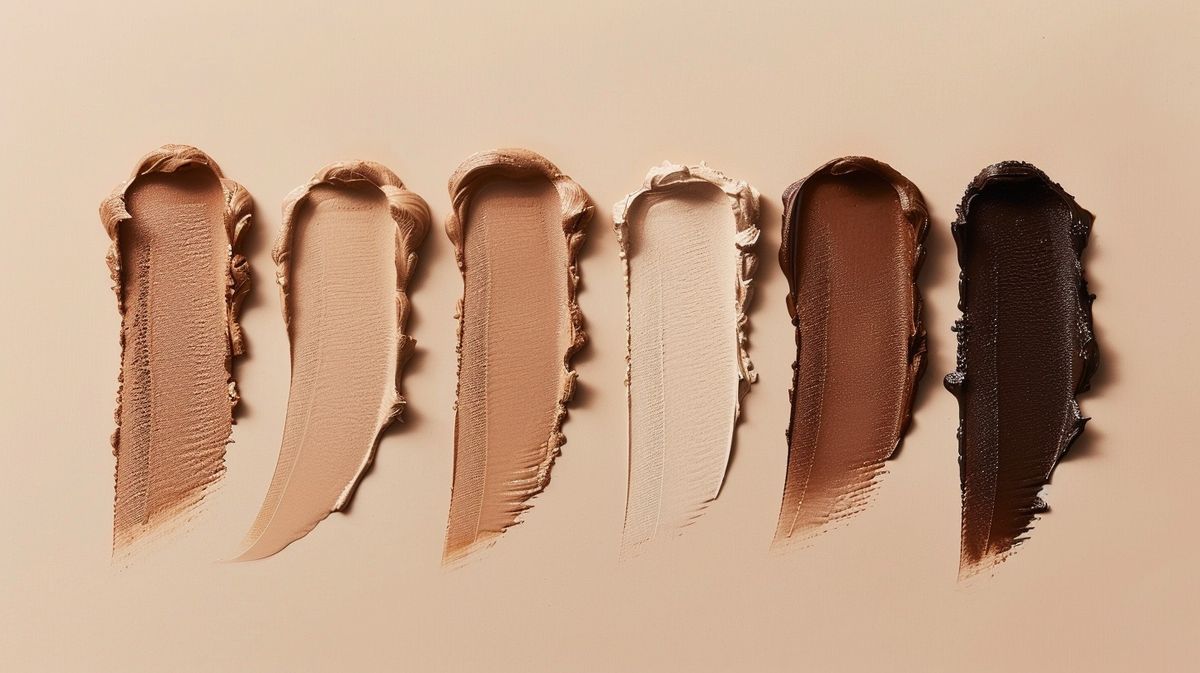
Your skin tone is the natural color of your skin, while your undertone is the subtle hue beneath the surface that affects how colors look on you.
Think of it like this:
- Skin tone = the surface color you see.
- Undertone = the hidden tint underneath that never changes.
Even if you get a tan or your skin gets lighter in winter, your undertone stays the same—and that’s why knowing it is key to finding your perfect match in makeup, jewelry, and clothing.
The Main Skin Tone Categories (Beyond Just Light, Medium, and Dark)
Most people fall into six general skin tone categories, but there’s a spectrum within each one.
Skin Tone Description Common Undertones Examples Very Fair / Porcelain Extremely pale, often burns easily, rarely tans. Cool or neutral. Irish, Scandinavian, East Asian. Fair Light skin that may tan slightly but burns easily. Cool, neutral, or warm. European, some Middle Eastern skin tones. Light Warmer than fair, tans more easily but still burns. Neutral or warm. Mediterranean, East Asian, some Latin skin. Medium A balance between light and dark, often tans well. Neutral, warm, or olive. South Asian, Latin, Middle Eastern. Tan Naturally sun-kissed with golden undertones. Warm or olive. Hispanic, South Asian, Pacific Islander. Deep / Dark Rich brown to deep ebony skin tones. Warm, cool, or neutral. African, Afro-Caribbean, Indigenous Australian.
Note: This is a general guideline. Two people with the same "medium" skin tone may have completely different undertones, which changes how colors look on them.
Understanding Undertones: Warm, Cool, Neutral, and Olive
While your skin tone can change with the seasons, your undertone never changes. That’s why two people with similar skin tones can look completely different in the same makeup or clothing.
Here’s how undertones work:
- Warm Undertones (Golden, Yellow, Peachy)
- Your skin looks more golden or honey-like.
- You look best in gold jewelry and warm-toned clothing (earthy tones, oranges, corals).
- Your veins appear greenish under natural light.
- Cool Undertones (Pink, Red, Blue)
- Your skin has rosy or bluish hues.
- You look best in silver jewelry and jewel-toned clothing (blue, purple, pink).
- Your veins appear bluish or purplish under natural light.
- Neutral Undertones (A Mix of Warm and Cool)
- Your skin has a mix of warm and cool hues, making you versatile.
- You look great in both gold and silver jewelry.
- Your veins may look both green and blue (or hard to tell).
- Olive Undertones (Slightly Greenish or Grayish)
- Your skin has a unique mix of golden and greenish hues.
- You look amazing in earthy, muted colors and rose gold jewelry.
- Your veins may appear more green than blue.
Not sure which undertone you have? The next section covers easy ways to find out!
Best Jewelry Colors for Your Skin Tone
Jewelry can instantly enhance your features, but the wrong metal or gemstone can make your skin look washed out or dull.
Here’s how to pick the right jewelry for your undertone:
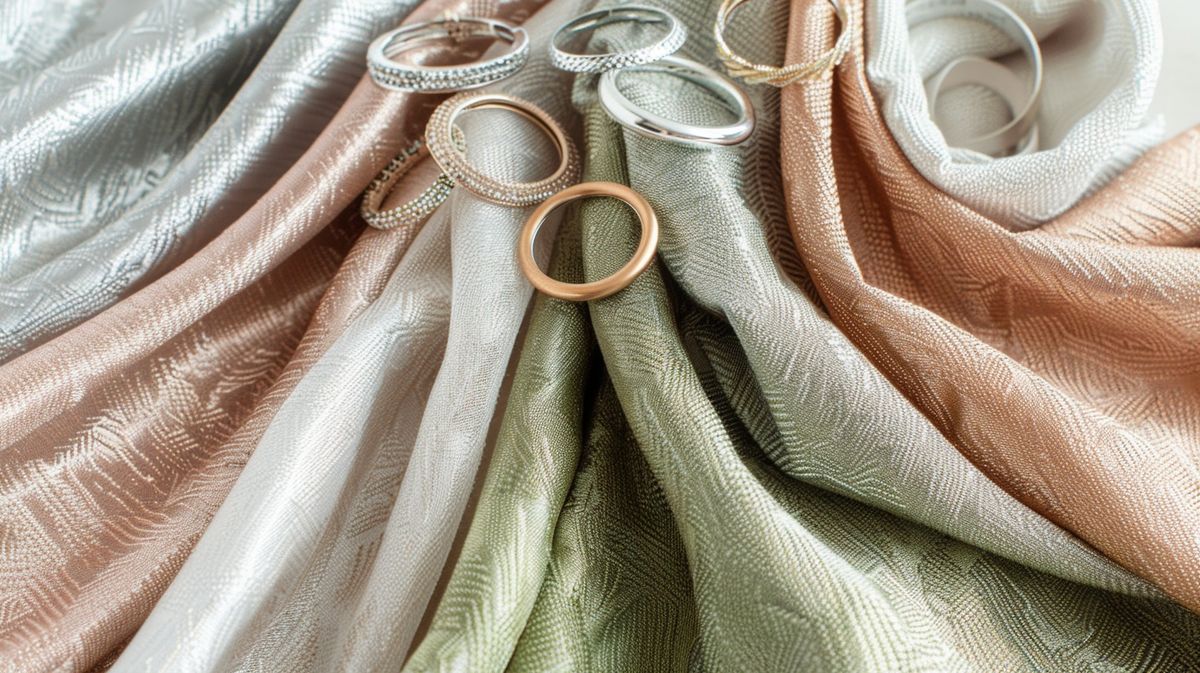
Undertone Best Metal Best Gemstone Colors Cool Silver, white gold, platinum. Sapphire, emerald, amethyst, blue topaz. Warm Yellow gold, bronze, copper. Ruby, citrine, amber, garnet. Neutral Gold & silver both work well. Any jewel tone—experiment with different colors. Olive Rose gold, yellow gold, mixed metals. Jade, turquoise, smoky quartz, champagne diamonds.
Pro Tip: If you’re neutral or olive, you can mix metals and wear a variety of gemstone colors without clashing!
How to Identify Your Skin Tone (Simple Tests)
Not sure what your skin tone and undertone are? Try these quick tests to find out:
- The Vein Test:
- Look at the veins on your wrist in natural light.
- Green veins? You have warm undertones.
- Blue or purple veins? You have cool undertones.
- Both green and blue? You’re neutral or olive.
- The Jewelry Test:
- Hold a piece of gold and silver jewelry against your skin.
- If gold looks better, you likely have warm undertones.
- If silver looks better, you likely have cool undertones.
- If both look equally good, you’re neutral.
- The White Shirt Test:
- Wear a pure white and an off-white (cream) shirt.
- If pure white makes you glow, you have cool undertones.
- If off-white looks better, you have warm undertones.
FAQs About Skin Tone Names & Classification
Can My Undertone Change Over Time?
No—your undertone stays the same for life, even if your skin gets lighter or darker.
- Example: A fair-skinned person with warm undertones may tan into a golden medium shade, but their undertone remains warm.
- Exception: Extreme medical conditions (vitiligo, severe burns) can alter skin pigmentation.
What’s the Difference Between Skin Tone and Complexion?
- Skin Tone = Your base skin color (light, medium, deep, etc.).
- Complexion = Your overall skin appearance (smoothness, brightness, evenness).
Example: Two people with the same medium skin tone may have different complexions—one might have rosy cheeks, while the other has a more golden glow.
Can People Have Both Warm & Cool Undertones?
Not exactly—but some people can be neutral, meaning they have a balance of both warm and cool hues.
- Signs you might be neutral-toned:
- Both gold and silver jewelry look equally good on you.
- Your veins look neither green nor blue—just somewhere in between.
- Warm and cool makeup both work on you, but extreme shades (too orange or too blue) look odd.
How Does Ethnicity Influence Skin Tone Classification?
Skin tone exists on a global spectrum, and traditional Western classifications (light, medium, dark) don’t always fit everyone.
- South Asian & Middle Eastern skin often falls under medium to deep with golden or olive undertones.
- East Asian skin varies from fair to medium with neutral or warm undertones.
- African & Afro-Caribbean skin ranges from deep neutral to rich golden undertones.
- Latino & Indigenous skin spans tan to deep, often with warm or olive undertones.
Pro Tip: Don’t assume your undertone based on ethnicity alone—always do a test!
Can I Lighten or Darken My Skin Tone?
- Your skin tone may darken from tanning or lighten from staying out of the sun, but you cannot permanently change your natural undertone.
- Some skincare products can brighten your complexion (exfoliation, vitamin C), but they don’t alter your fundamental skin tone.
- 🚫 Avoid dangerous "skin lightening" creams—many contain harmful chemicals like hydroquinone and steroids that can permanently damage your skin.
Reminder: Embrace your natural skin tone and undertone—choosing the right colors makes you shine just as you are!
Final Thoughts: Why Skin Tone Knowledge is Powerful
Knowing your skin tone and undertone isn’t just about makeup—it’s about embracing what makes you unique and making choices that highlight your natural beauty.
- Struggling with foundation? Now you know what shade to pick.
- Feeling washed out in certain clothes? Now you know which colors bring out your glow.
- Not sure about jewelry? Now you know whether gold or silver suits you best.
The next time you’re picking out makeup, shopping for clothes, or deciding on new jewelry, use this guide to find the shades that truly complement you. Because when you wear the right colors, you don’t just look better—you feel better, too