When buying silver jewelry or items, you must have come across the use of the terms sterling silver and pure silver. While these sound similar, the two kinds of silver are quite different in their purity, strength, price, and application. Knowing the differences is important to make the correct choice for your needs, whether it is a purchase of jewelry, cutlery, or decorative items.
In this article, we will discuss the main differences between sterling silver and pure silver, their advantages and disadvantages, and their best uses. By the end, you will know exactly which type of silver is ideal for your preferences, budget, and lifestyle.
What is Pure Silver?
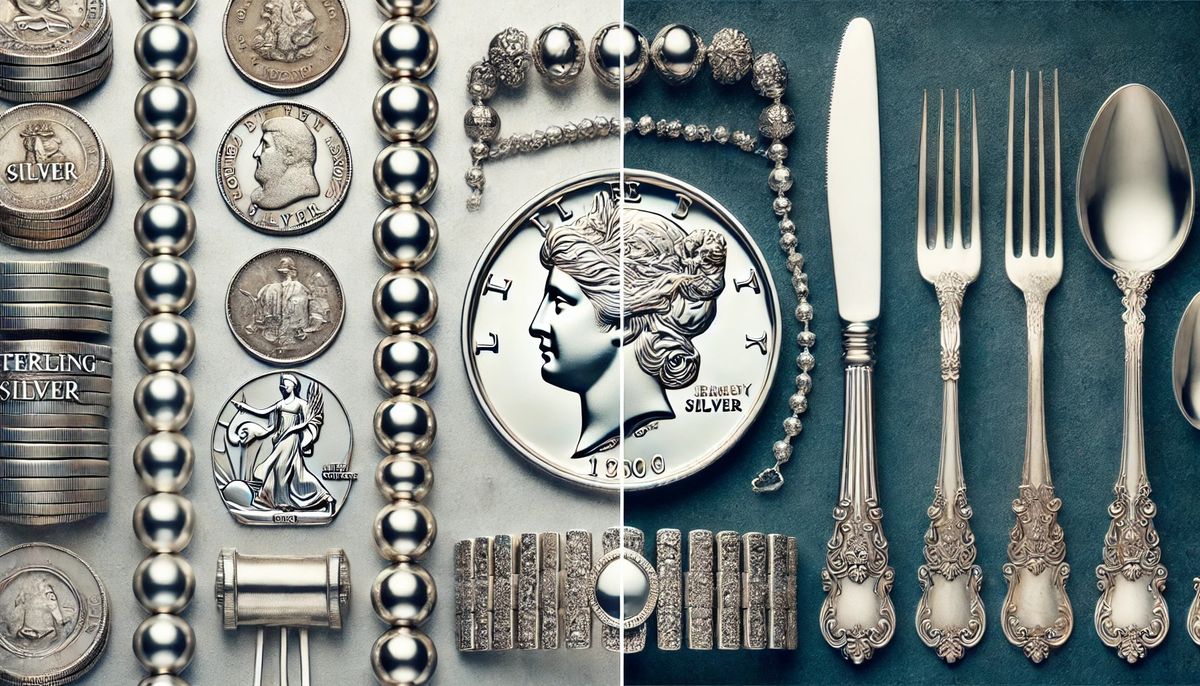
Pure silver, also known as fine silver, is the purest form of silver. It contains 99.9% silver and only 0.1% trace element impurities. Due to its very high fineness, it has a brilliant white luster that makes it highly demanded for many uses.
Characteristics of Pure Silver
- Bright Shine: Pure silver has a white, bright surface, which gives it a much more luxurious and refined view.
- Soft and Ductile: Its softness allows for detailed works but makes it unsuitable for heavy usage or everyday wearing.
- High Purity: Being a pure silver alloy, with very few impurities, it is considered a premium material and hence more costly compared to other types of silver.
Uses of Pure Silver
- Earrings and Necklaces: These items face less wear and tear, making pure silver a good choice.
- Collectibles: Coin, bars, and ornament uses are normally made of pure silver.
- Electronics: Pure silver has exceptionally good conductivity, and because of that, it finds considerable application in industry and electronic appliances.
Advantages of Pure Silver
- Hypoallergenic: Being pure means that it is safe for sensitive skin since it contains no irritating elements like nickel.
- Prestigious: Its large content of silver gives it a graceful and expensive look.
- Corrosion Resistance: Pure silver tarnishes more slowly compared to its alloys, which include sterling silver.
Drawbacks of Pure Silver
- Too Soft for Everyday Use: Prone to bends, scratches, and misshapes over time.
- High Cost: Being purer, pure silver is usually more expensive than sterling silver.
What is Sterling Silver?
Sterling silver is an alloy consisting of 92.5% silver and 7.5% other metals, often copper, zinc, or nickel. Mixing the softer metal of silver with harder metals makes sterling silver much stronger, yet a good amount of the beauty from pure silver is retained.
Characteristics of Sterling Silver
- Strong and Durable: The added metals make it more resistant to wear and tear, thus perfect for everyday use.
- Less expensive: Sterling silver is less expensive than pure silver since it has less silver content.
- Versatile: It is used in jewelry, household items, and even in medical instruments.
Uses of Sterling Silver
- Everyday Jewelry: Sterling silver is durable and long-lasting, making it a good choice for rings, bracelets, necklaces, and earrings.
- Flatware and Cutlery: The ruggedness and shiny look made it very apt for the manufacture of utensils and cutlery.
- Ornamental Items: These include picture frames, candlesticks, and ornaments, many of which are made from sterling silver.
Advantages of Sterling Silver
- Durability: Not to bend or break easily makes it ideal for items that undergo much handling.
- Affordable Luxury: Offers the elegance of silver without the high price of pure silver.
- More Design Options: Its strength allows jewelers to make intricate, delicate, or even bold designs.
Disadvantages of Sterling Silver
- Prone to Tarnish: Alloy metals in them, especially copper, react with air and water to form tarnish.
- Possible Skin Irritation: In cases where nickel is part of the alloy, it may cause allergic reactions for people with sensitive skin.
Key Differences Between Sterling Silver and Pure Silver
The following table indicates a comparison of the basic features among sterling silver and pure silver.
Properties Sterling Silver Pure Silver Fineness 92.5% silver, 7.5% alloy metals 99.9% pure silver with minimal impurities Durability Much stronger and more resistant against damage Soft - easily bent or scratched Cost Less expensive due to alloy content More expensive because of higher purity Discoloration It has a higher tendency of tarnishing due to copper or zinc Less likely to tarnish, but is not entirely resistant to discoloration Applications Everyday jewelry, cutlery, decoration, and utensils Earrings, necklaces, coins, luxury items Skin Sensitivity May cause irritation if it contains nickel Hypoallergenic
Sterling silver is the more practical of the two when it comes to everyday usage, while for decorative items or items of occasional use, pure silver is appropriate, for which the softness is not considered a drawback.
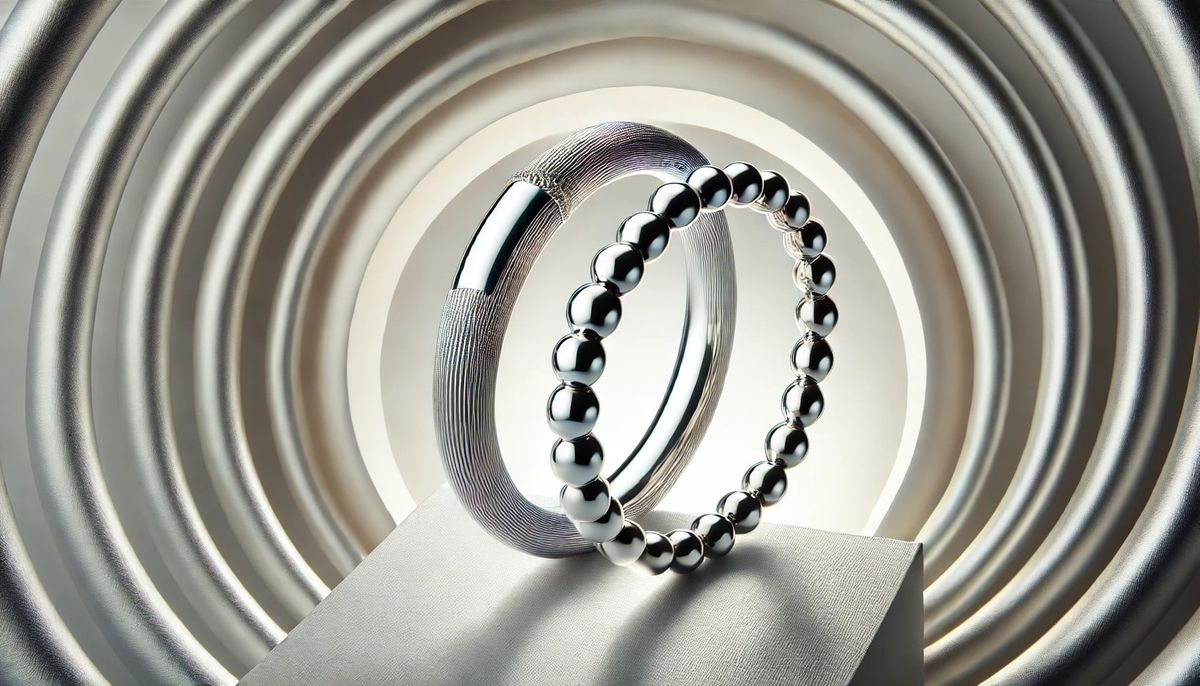
Which is better: Sterling Silver or Pure Silver?
If one had to choose between sterling silver and pure silver, then the "best" depends on your particular needs, lifestyle, and preferences. Here's a breakdown of some things to consider:
1. Durability: Everyday Wear vs. Occasional Use
- Sterling Silver: Being the outright winner if one wears the piece frequently, alloy metals make sterling silver hard, scratch-resistant, and hardly bends. That is why most rings, bracelets, and other forms of everyday accessories are made of sterling silver.
- Pure Silver: Softer and more delicate; hence, it is not suitable for items that go through regular wear and tear. It would, instead, be ideal for items that are used from time to time, like decorative jewelry, pendants, or even collectible coins.
2. Budget and Value
- Sterling Silver: For the right mix of affordability and versatility, sterling silver provides much of the look of fine silver, but at a fraction of the cost.
- Pure Silver: The purer the silver, hence being the purest form, adds more value to itself and is highly valued in its price. This, if you are purchasing for high-end items or collecting, it generally can be seen as an investment.
3. Aesthetic Appeal
- Pure Silver: Pure silver is bright white in color and really dazzling. It is a little bit brighter than sterling silver because sterling silver can take on a warm patina. Its high luster makes it visually striking, but it also requires more care to maintain that brilliance.
- Sterling Silver: Sterling silver is a lot more subtle in appearance and lacks the brightness of pure silver. Many people love sterling silver for the character lines it develops over time as it ages. It can also take on a unique, one-of-a-kind vintage appearance when strategic elements of its tarnish remain.
4. Skin Sensitivity
- Pure Silver: This is completely hypoallergenic, free of irritating metals like nickel, hence ideal for persons who suffer from sensitive skin or some kinds of metal allergies.
- Sterling Silver: In general, safe for most people, as some sterling silver alloys do contain nickel, which in turn can cause allergic contact dermatitis. Go in for nickel-free sterling silver if your skin is sensitive.
5. Design Complexity and Customization
- Sterling Silver: Since it is strong, sterling silver can be made into highly intricate designs and is often used for personalized jewelry such as name necklaces, engraved bracelets, and patterned rings.
- Pure Silver: Due to the soft nature of pure silver, it is more suitable for less complex and simpler designs. Although beautiful, its malleability limits its use in more complex or elaborate jewelry.
Why Choose Sterling Silver?
Sterling silver is considered better by most people, and that is because it combines beauty, practicality, and affordability. Here's why sterling silver is the preferred option:
- Wear Daily, No Wearing Out: Sterling silver won't wear out; thus, it can be used even on things like rings, bracelets, or pendants worn daily.
- Affordability with Elegance: It has given the facility of having a silver-like item without needing to pay for pure costly silver.
- Design Versatility: Its strength allows wider jewelry design possibilities—from intricate and modern to bold statement items.
- Widely Available: Sterling silver is among the most popular metals used for jewelry anywhere, implying that one can access a tremendous amount of design possibilities.
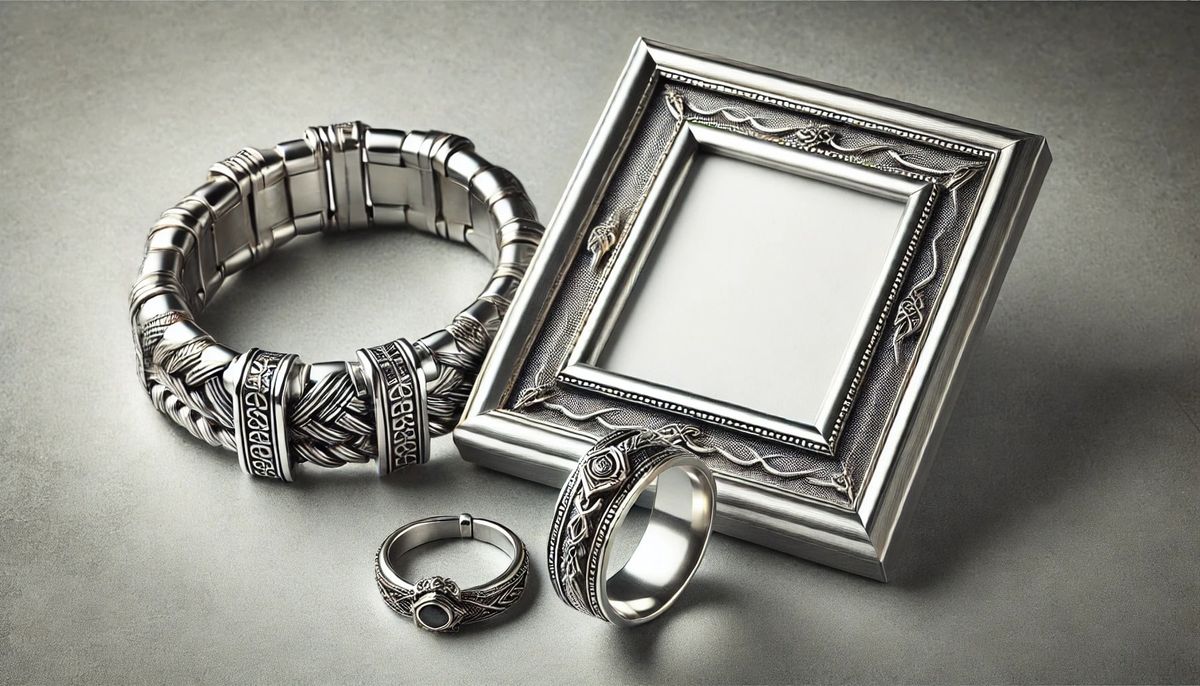
The Silver Jewelry Industry: Trends and Insights
The position of silver, especially sterling silver, in the global jewelry market is a significant one. Following are some interesting facts and trends related to the industry:
1. Sterling Silver Dominates Jewelry Sales
Sterling silver accounts for the majority of silver used in jewelry worldwide. Its durability, affordability, and timeless appeal make it the go-to choice for consumers and designers alike.
- Minimalist Designs: The designs in most contemporary jewelry are simple, neat, and clean. Sterling silver has been at the spearhead of this trend.
- Stackable Jewelry: Modern trend for stackable or layered sterling silver rings and bracelets.
- Mix-and-Match Metals: Sterling silver is so often teamed with gold, rose gold, and gemstones in a way that makes trendy sense: multi-tonal.
2. Pure Silver as a Luxury Option
While sterling silver is more practical, pure silver still holds a place as a luxury material, particularly among collectors and lovers of high-end jewelry. It's found in:
- Limited-edition jewelry collections
- Designer necklaces and pendants
- Coins, bars, and ceremonial gifts
3. Sustainability and Ethical Sourcing
As consumers increasingly turn their attention to sustainability, silver jewelry brands are joining the trend through the inclusion of environmentally friendly practices that include:
- Using recycled silver in products contributes to environmental friendliness.
- Ensuring that suppliers practice ethically sourced silver, following the rules of fair labor and taking care of the environment.
The interesting thing is that sterling silver happens to be the most suited for these trends in that it is more accessible and can be reused.
Final Thoughts: Which Should You Choose?
Ultimately, the choice between sterling silver and pure silver depends upon your priorities.
- Durable, Affordable, and Versatile: Sterling silver should be the go-to material for the average person. It's great to wear daily and can be made in so many different designs.
- Pure, Prestigious, and Luxurious: Pure silver would be more ideal for pieces that are very high-end or that are collector's items, especially if you like purity, prestige, and luxury. Softer and less practical, its brilliance and hypoallergenic qualities make it a premium material.
These types of silver have their place in this world, whether it involves jewelry or not. Understanding these subtle differences will help you know how to choose the type that meets your requirements, style, and affordability. Whether you are giving a gift, investing for the future, or expanding your collection, silver can always be a beautiful choice—and one that endures—pure or sterling.