As you step into the glittering world of jewelry, and earrings specifically, you might be surprised at the diversity laid out before you. It is not just the stones, metals, and designs; there is something often overlooked but tremendously vital – the earring backs. These little components, though small, play a big role in your comfort, the security of your adornment, and even the general appearance of your earrings.
So, whether you’re an earring beginner, a savvy shopper looking to up your knowledge, or just someone who’s lost an earring and wondered why, then this is the ultimate guide for you. We’re about to reveal the wonderful world of 24 types of earring backs along with their features and uses. So, grab your magnifying glass and let’s begin, shall we?
Also, don't forget to explore personalized earrings to add a unique touch to your collection.
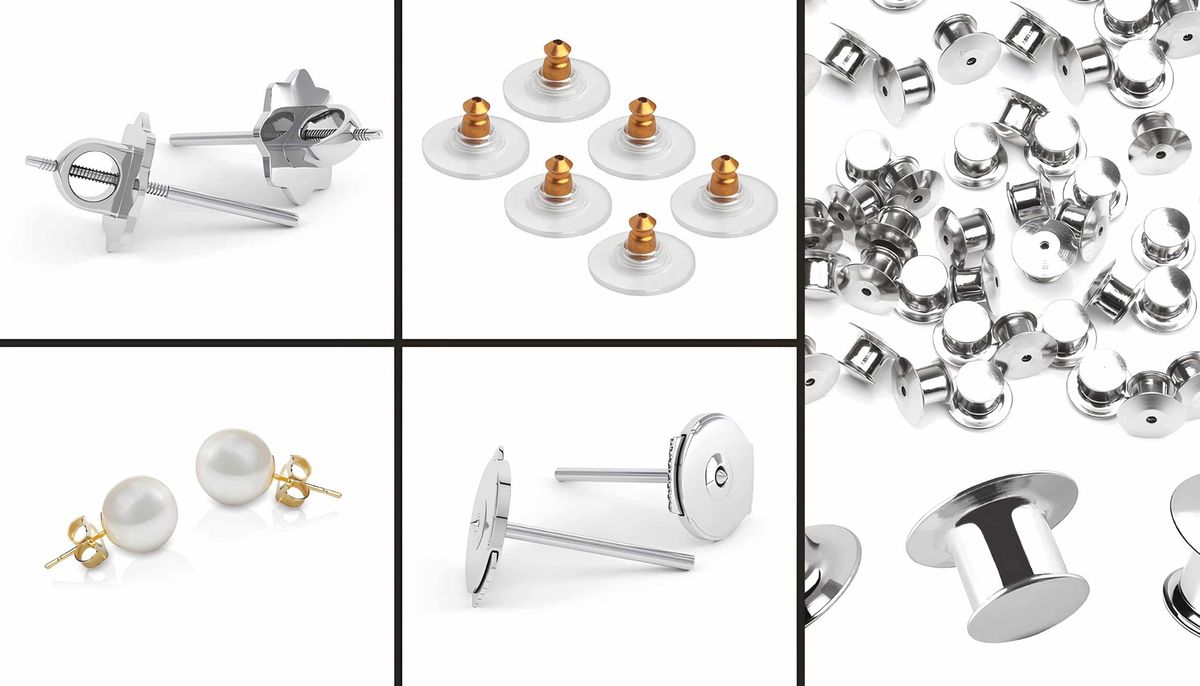
Table of Contents
1. Butterfly Clasp (Push Back) 2. Screw Back 3. Locking Back 4. Lever Back 5. Fish Hook 6. La Pousette Back 7. Latch Back 8. French Clip 9. Kidney Wire 10. Threaded Post 11. Alpha Back 12. Omega Back 13. Plastic Disc Back 14. Rubber Stopper 15. Friction Back 16. Snap-On 17. Clip-On 18. Wire Back 19. Saddleback 20. Ball Back 21. Bezel Back 22. Flat Pad 23. Barrel Clutch 24. Cup and Post
1. Butterfly Clasp (also known as Push Back)
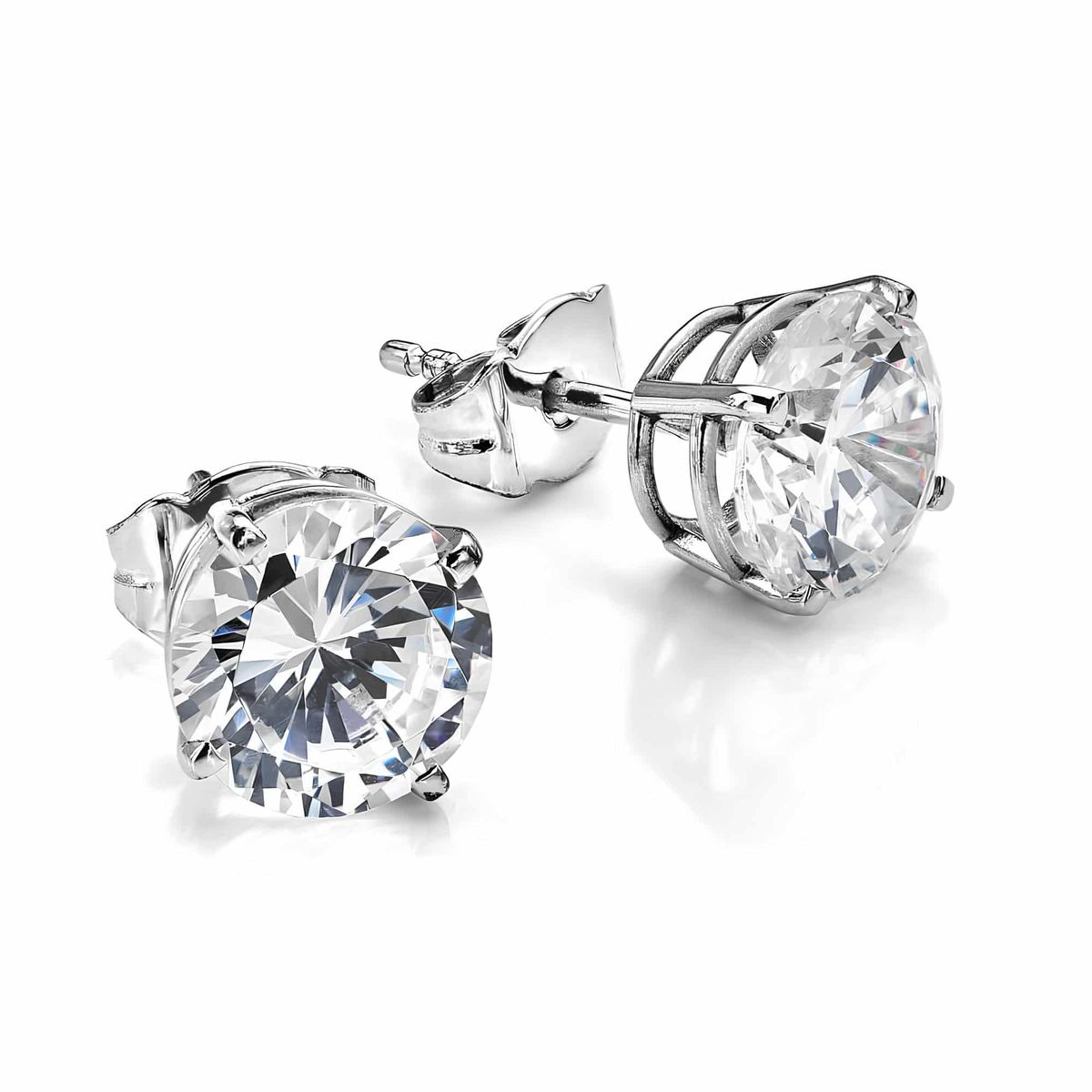
Butterfly Clasp, named for its resemblance to a butterfly, is the most common earring back you’ll come across. It’s simple to use – you simply push it onto the post until it’s secure.
Pros:
- Easy to use and simple
- Readily accessible and in widespread usage
- Suitable for a wide variety of earring designs
Cons:
- May become loose over time
- Not as safe as some other types, can lead to missing earrings
2. Screw Back
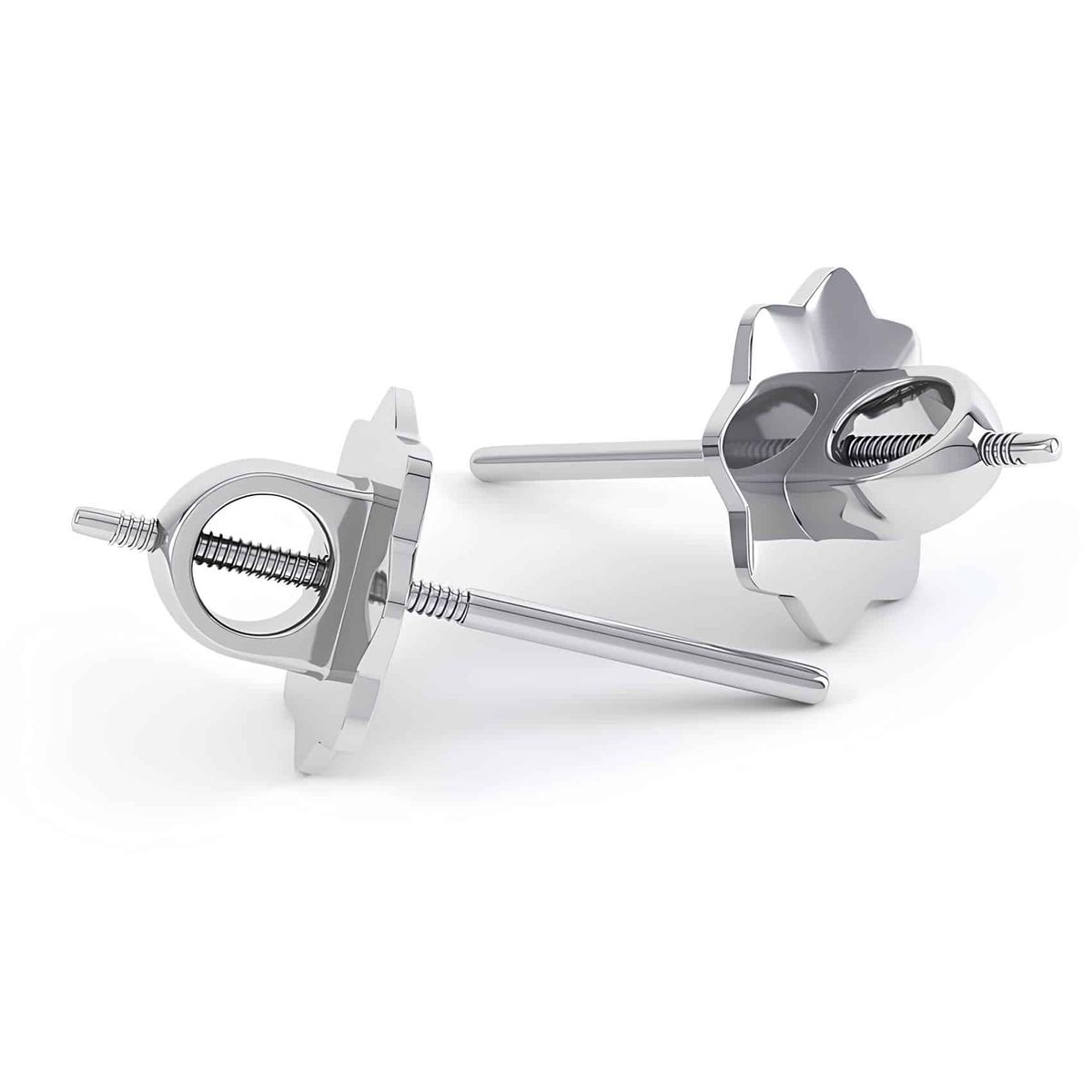
Screw Backs take security to the next level. The earring post is threaded so that the back screws on, providing excellent security. You’ll typically find them on higher-priced earrings or those with precious gemstone settings.
Pros:
- Very secure, reduces the possibility of losing earrings
- Ideal for heavy or precious earrings
Cons:
- Can take longer to apply and take off
- Can be uncomfortable to sleep in due to the protruding post
3. Locking Back
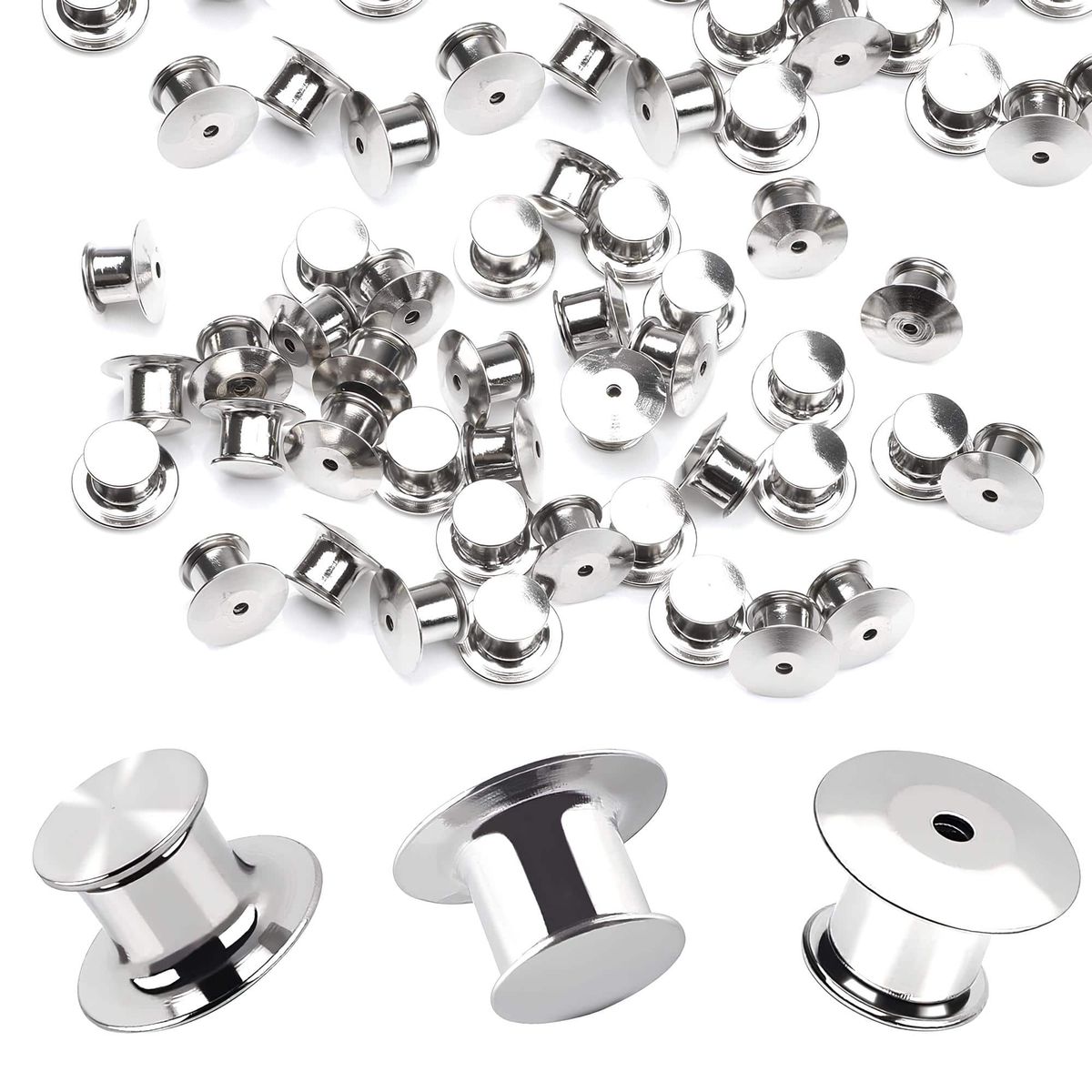
Hello to the Locking Backs, the guardians of your valuable danglers. Designed to hold heavier or valuable earrings in place, they use a spring-loaded mechanism that secures the back until you manually release it.
Pros:
- Extremely secure, making them well-suited to precious jewelry
- Comfortable to wear, as there’s no protruding post
Cons:
- More expensive than other earring backs
- Can be difficult to use until you become accustomed to them
4. Lever Back
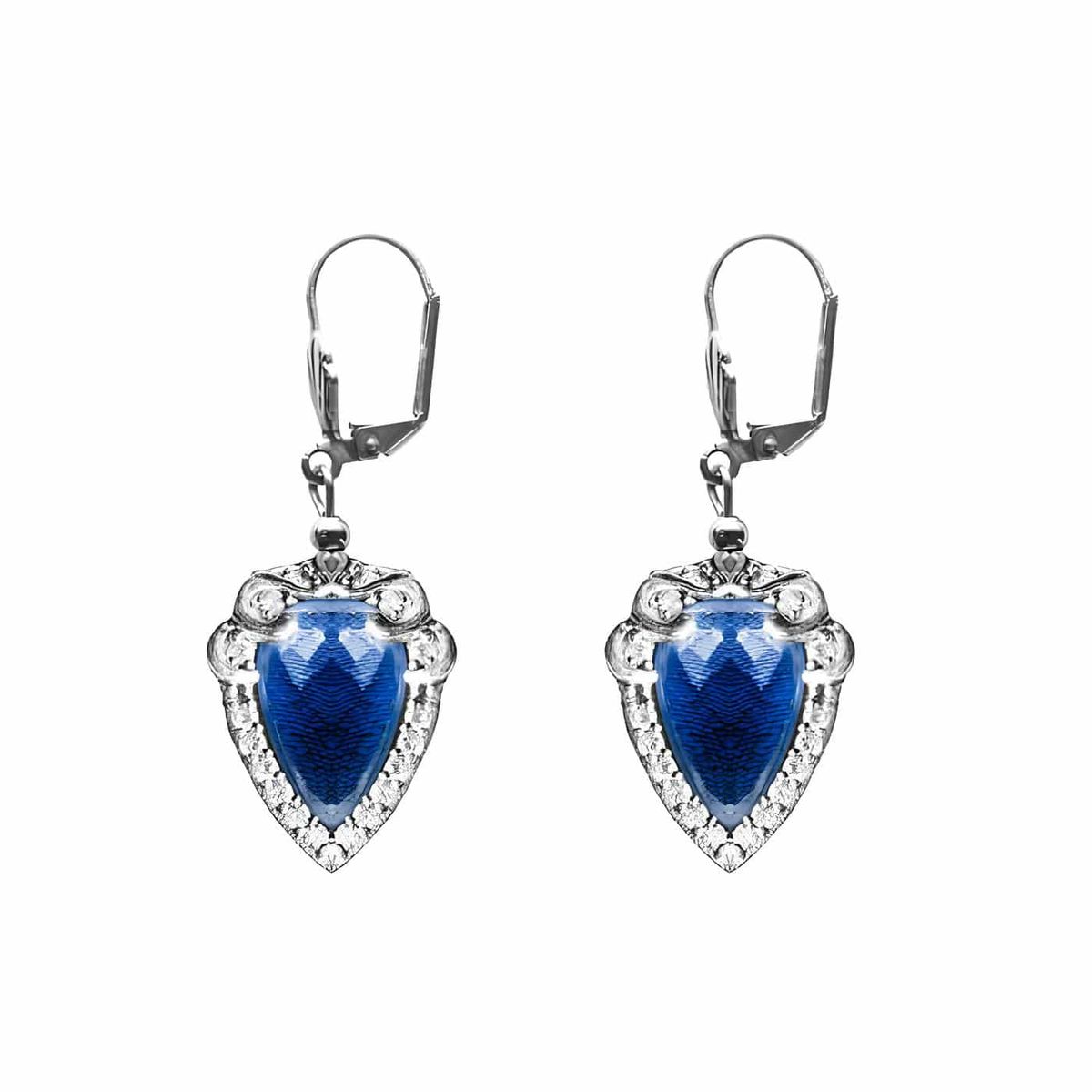
A favorite among earring enthusiasts is the Lever Back. The hinged lever loop closure fits into a notch in the post, forming a comfortable and secure fit that’s easier to manage than the Screw Back.
Pros:
- Safer and less likely to get lost
- Comfortable to wear
Cons:
- Not suitable for all earring types
- Might be more expensive than some other types of earring backs
5. Fish Hook
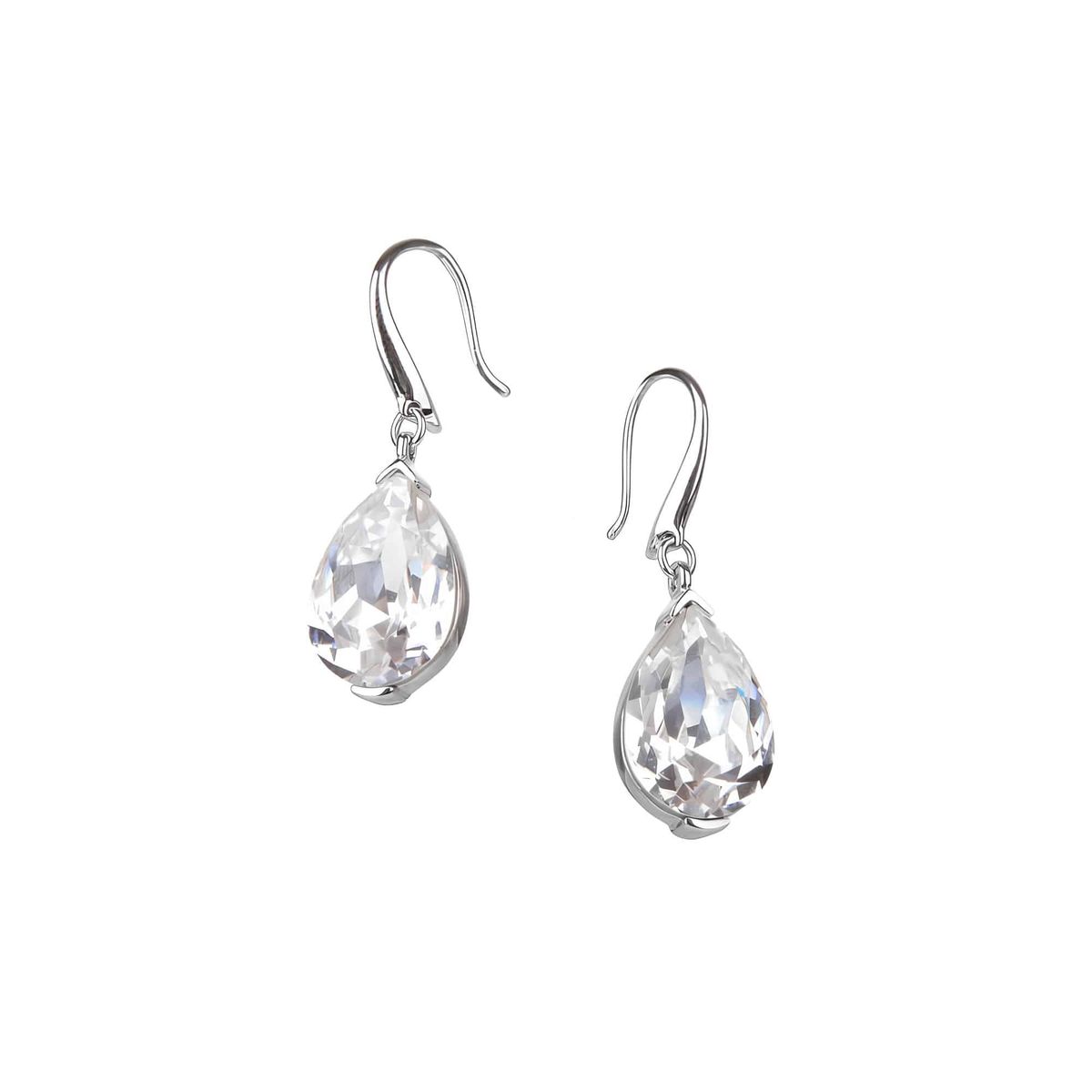
As the name suggests, Fish Hook backs are shaped like a real fish hook. These earring backs dangle from your ears and give your earrings a lovely drop effect.
Pros:
- Simple to wear and take off
- Ideal for drop or dangle earrings
- Give earrings a unique and artistic appearance
Cons:
- May not be as safe as some other types
- Risk of discomfort if hook is bulky
6. La Pousette Back
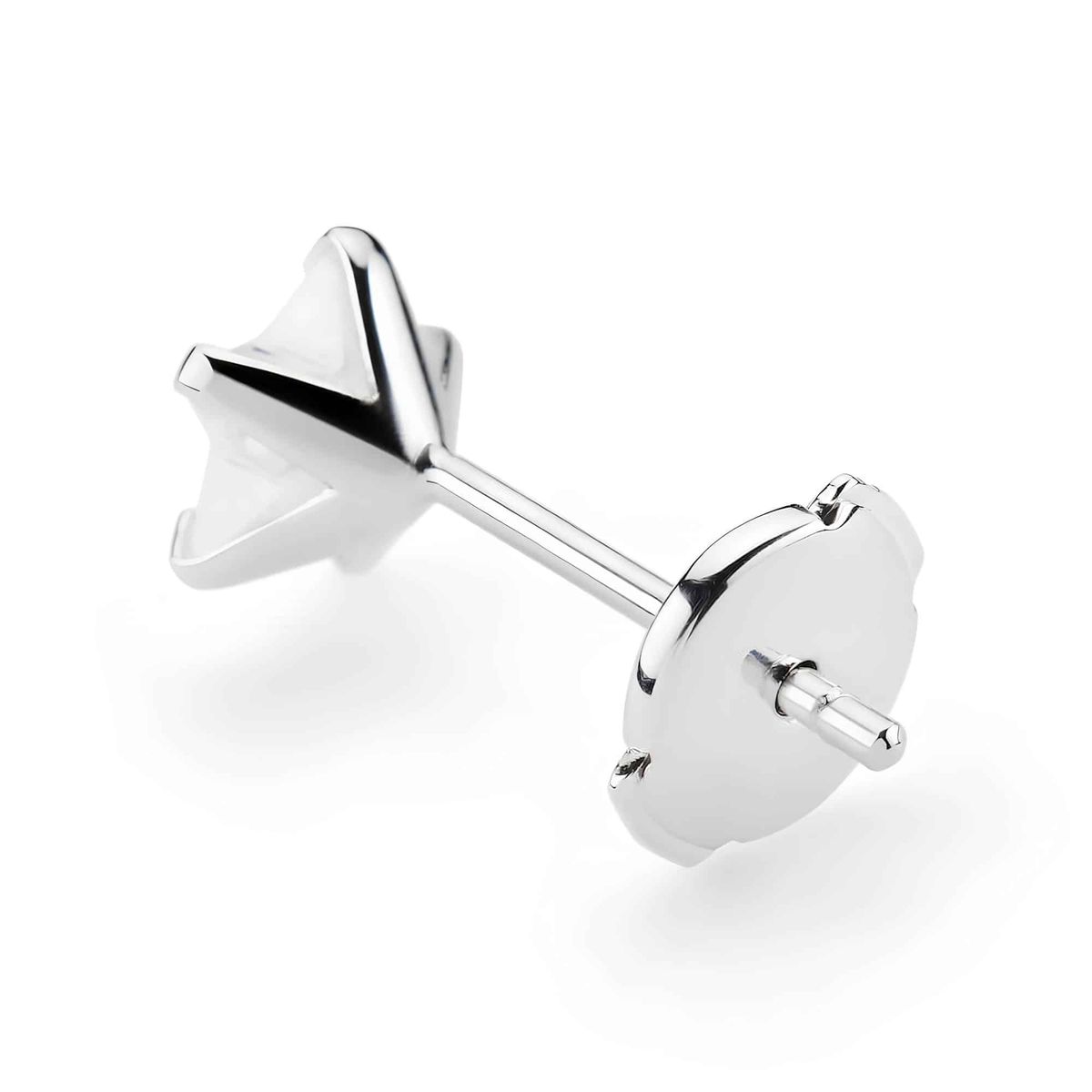
La Pousette Backs are made to be worn comfortably and safely. They use a post and a special locking mechanism. You press the two tabs at the side to open the back – so, a secure yet easy-to-open choice.
Pros:
- Secures and reduces the risk of losing earrings
- Easy to operate after you know the mechanism
Cons:
- More expensive than other earring backs
- May be challenging to operate for those with fine motor skill impairment
7. Latch Back
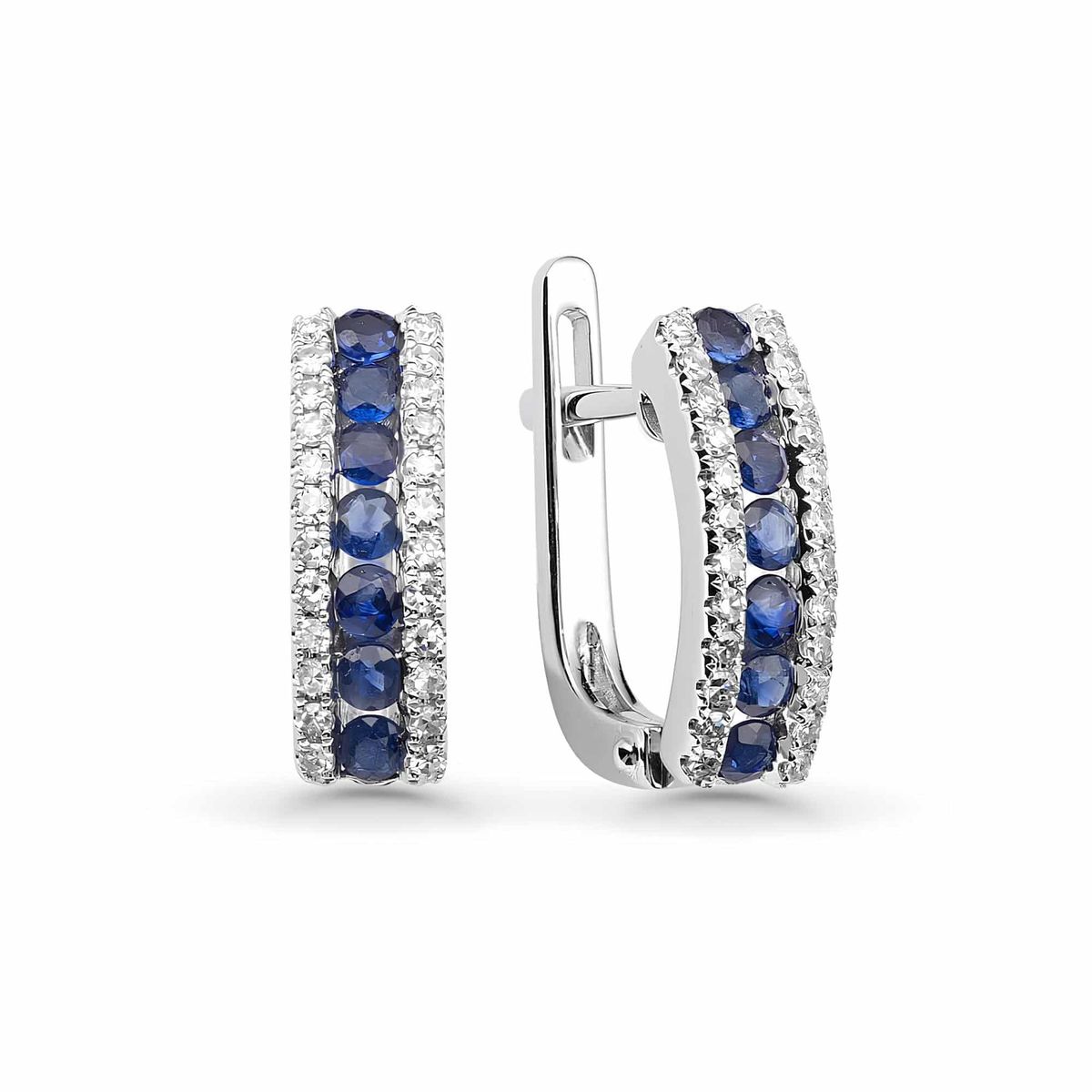
Latch Backs, also known as Huggie earrings, have a hinged post that passes through the earlobe and latches within the earring, making them comfortable and secure.
Pros:
- Safe and comfortable to wear
- Perfect for hoop or huggie earrings
Cons:
- May not be appropriate for every earring style
- The hinge mechanism may loosen over time
8. French Clip
Should you be a follower of the retro look, the French Clip backs would be the perfect option. They have a hinged clip that grips on to the post, allowing one to wear these even without pierced ears.
Pros:
- No need for pierced ears
- Safe and easy to use
Cons:
- Not suitable for all types of earrings
- Can be more expensive than certain other earring back styles
9. Kidney Wire
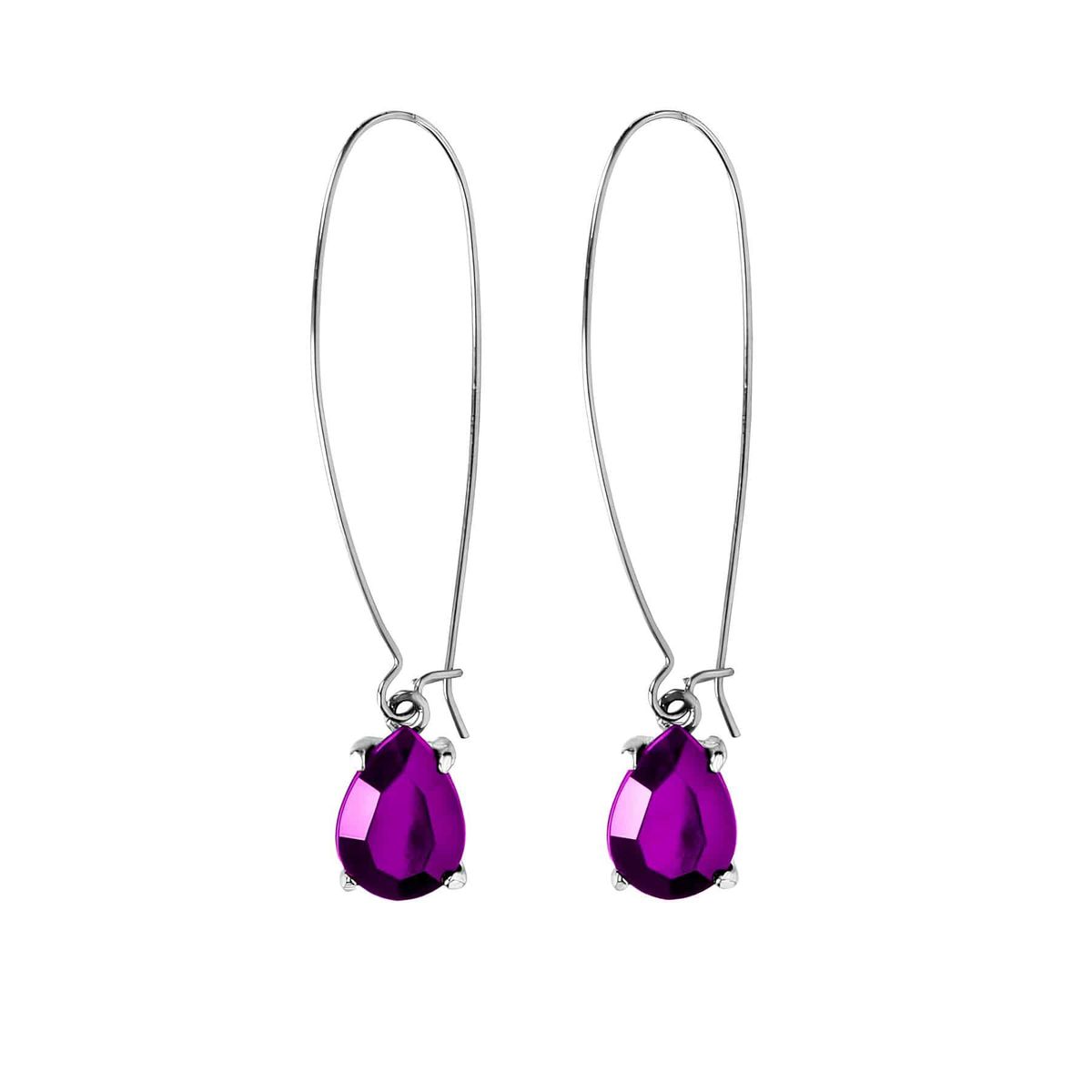
Kidney Wire backs, aptly named for their kidney shape, are used mostly for drop earrings. They have a safe latch that clasps onto the back of the wire to keep your earrings in place.
Pros:
- Ideal for drop or hanging earrings
- Secure latch minimizes the possibility of losing earrings
Cons:
- Wire can potentially be uncomfortable for some wearers
- Not as versatile as some other back types
10. Threaded Post
Threaded Post backs are for those who prefer a bit of extra security. The post is threaded, and the back screws on. This takes a bit longer, but it’s worth it to keep your earrings firmly in your ears.
Pros:
- Very secure, significantly reducing the possibility of losing earrings
- Ideal for heavy or precious earrings
Cons:
- Takes longer to apply and take off
- Post threads can be a source of discomfort
11. Alpha Back
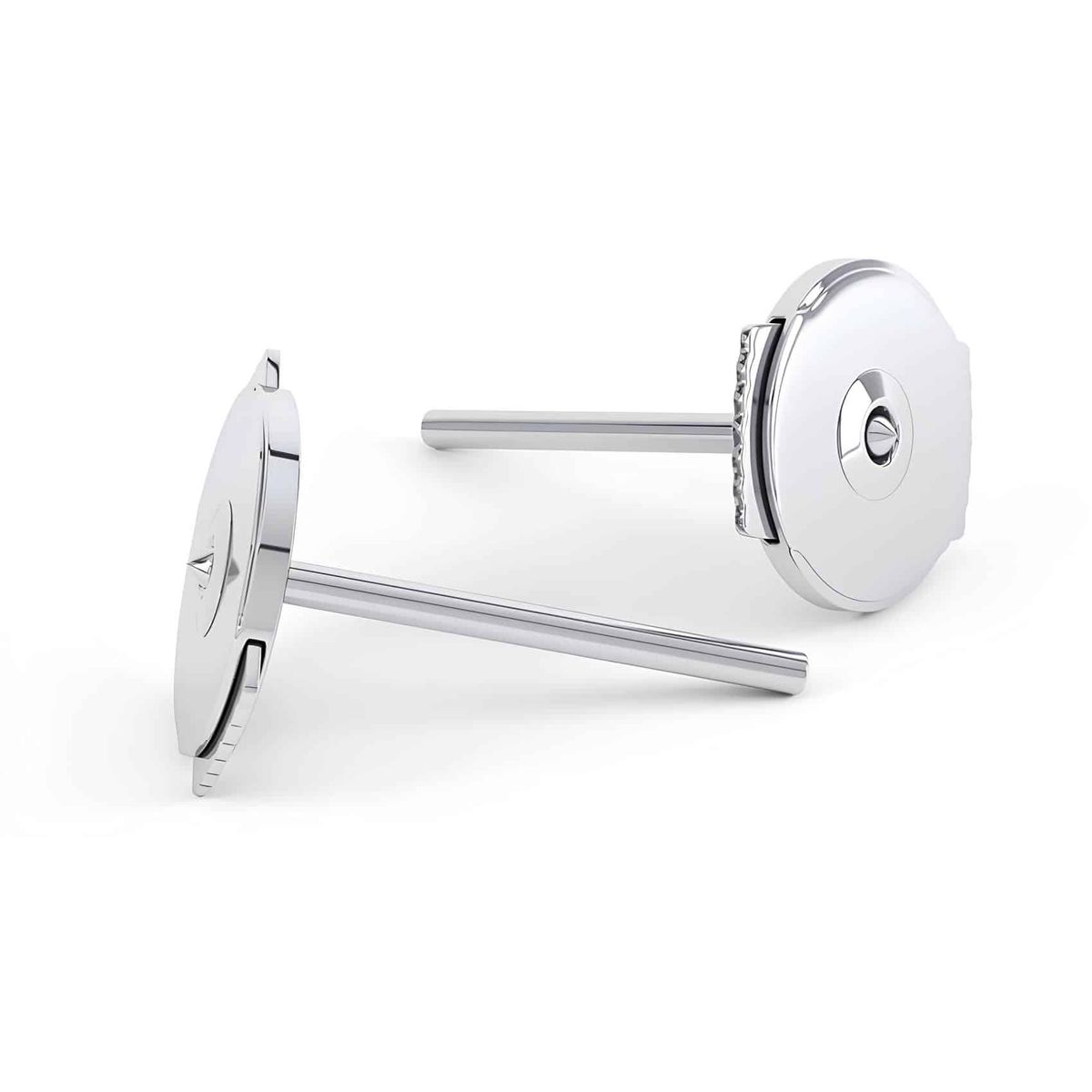
Alpha Backs, also known as Protektor backs, are designed with usability and security in mind. They contain a spring mechanism that keeps the earring firmly in place.
Pros:
- Secures and reduces the risk of losing earrings
- Easier to use than other secure types
Cons:
- Normally more expensive than other earring backs
- Can be hard to release for people who have problems with fine motor skills
12. Omega Back
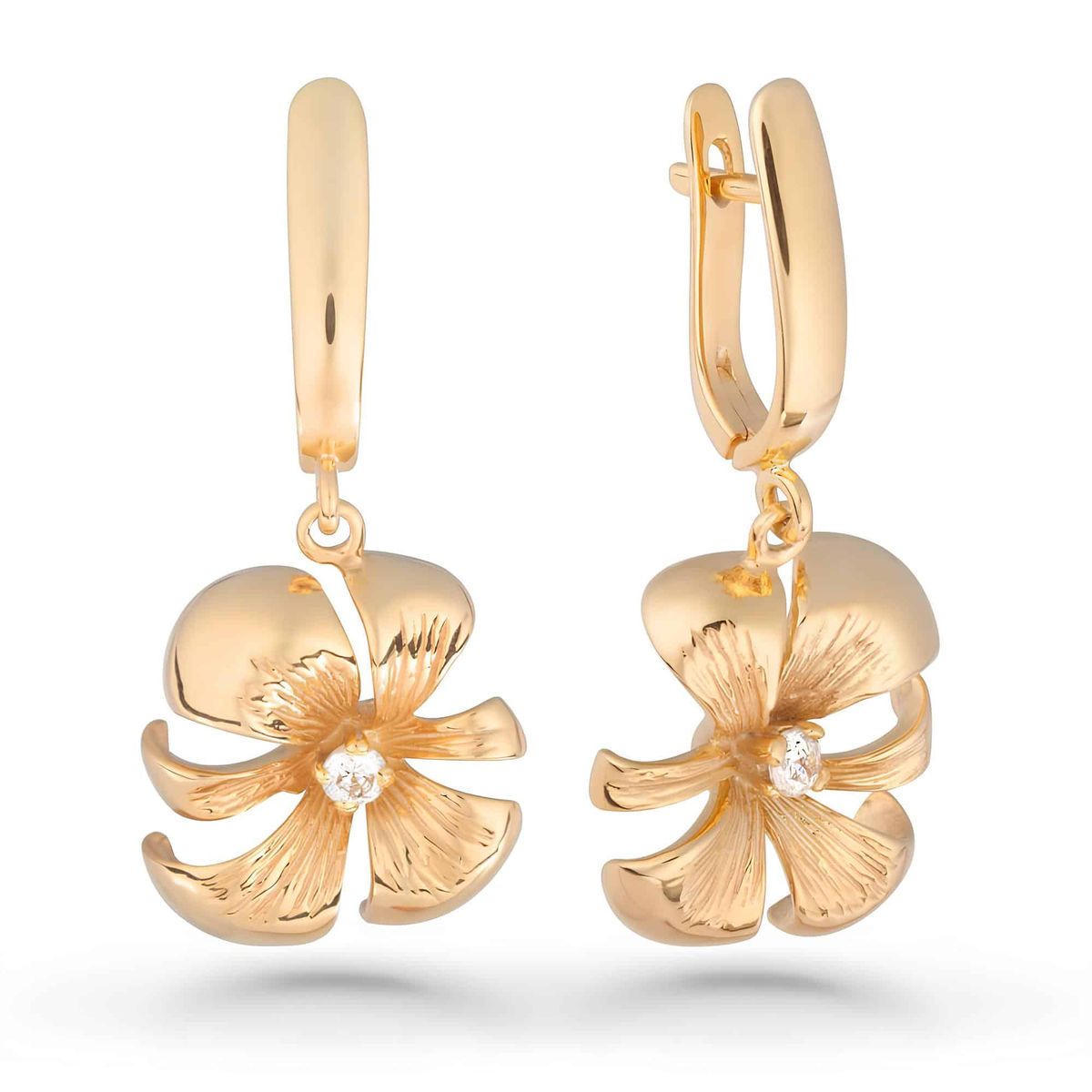
Omega Backs, named for their resemblance to the Greek letter Omega, offer a wonderful mix of protection and comfort. They’re hinged at the bottom and snap onto a post at the top, forming a loop that wraps around the earlobe.
Pros:
- Secure and comfortable for most wearers
- Suitable for a range of various earring designs
Cons:
- Can be harder to take off and put on
- Not ideal for those who have thicker earlobes
13. Plastic Disc Back
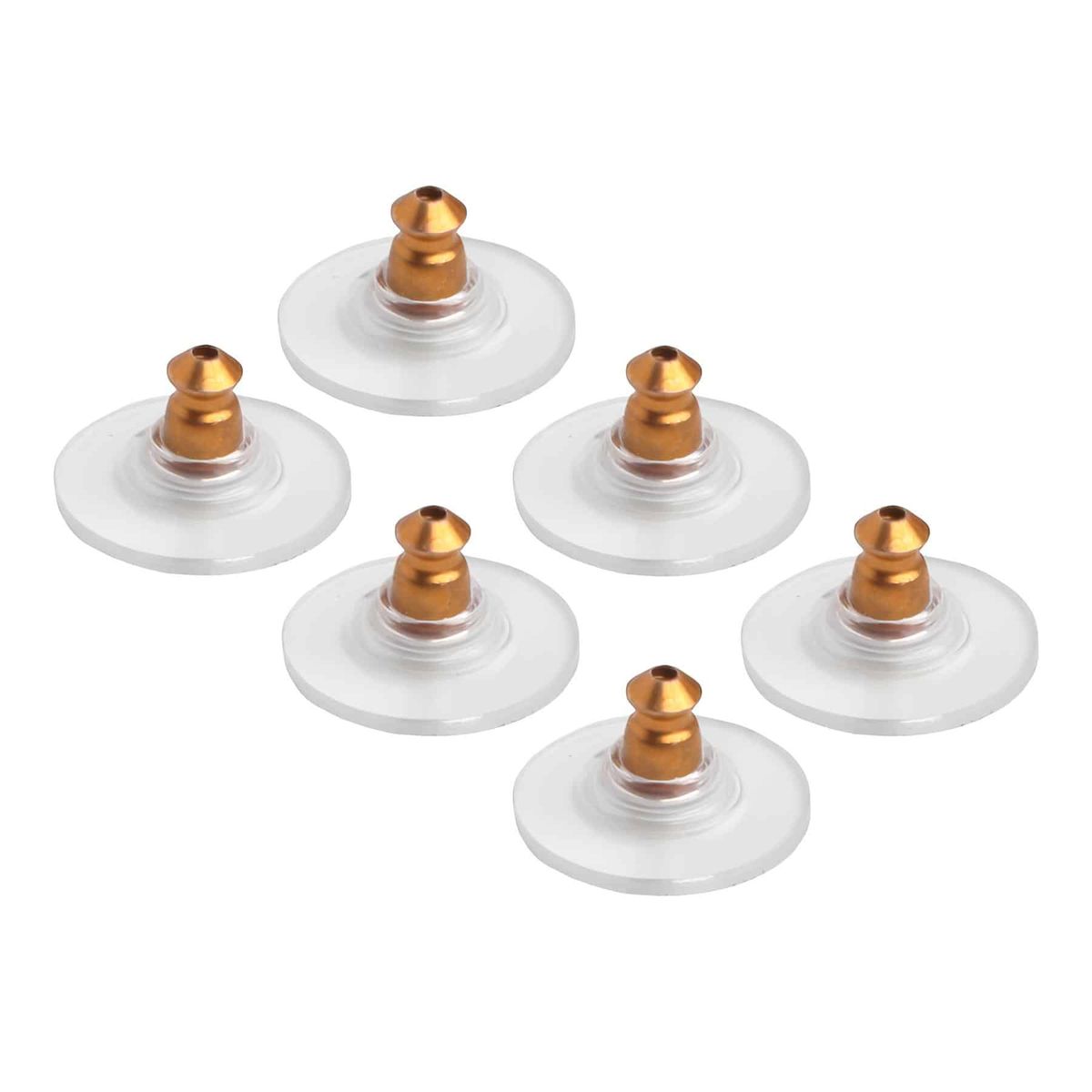
Plastic Disc Backs are an essential part of costume jewelry. Not only does the plastic disc keep the earring firmly in place, but it also allows larger or heavier earrings to remain in place and not droop.
Pros:
- Prevents drooping of larger earrings
- Best for heavier earrings as they distribute weight across a larger area
Cons:
- Not as secure as other earring backs
- May not last as long due to the plastic material
14. Rubber Stopper
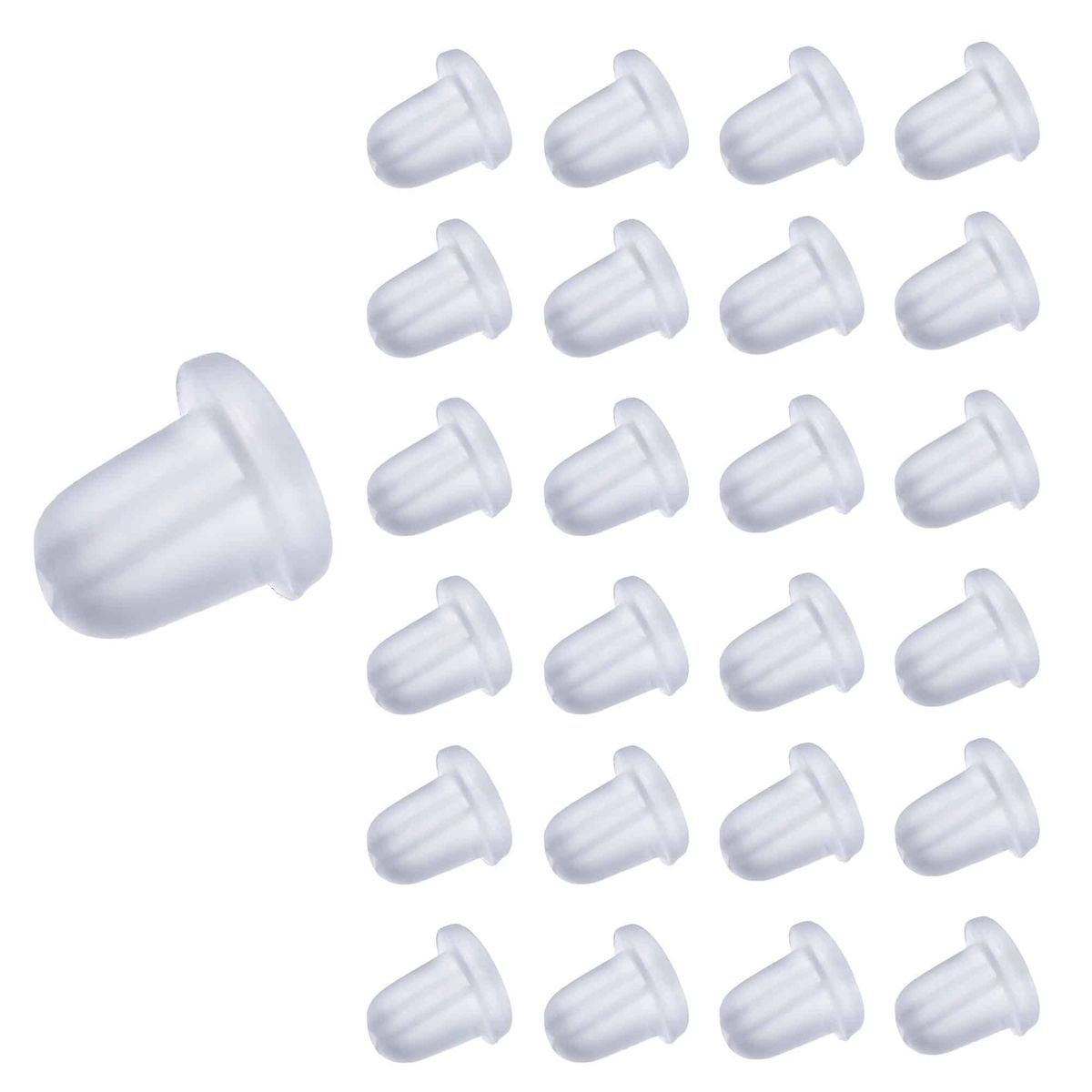
Rubber Stoppers are a light, easy option. They are often used as a secondary security measure on other earring backs, or on small and light earrings.
Pros:
- Lightweight and comfortable to wear
- May offer an extra layer of security to other earring back types
Cons:
- Not as durable or long-lasting as metal backs
- May be harder to handle due to small size and flexible material
15. Friction Back
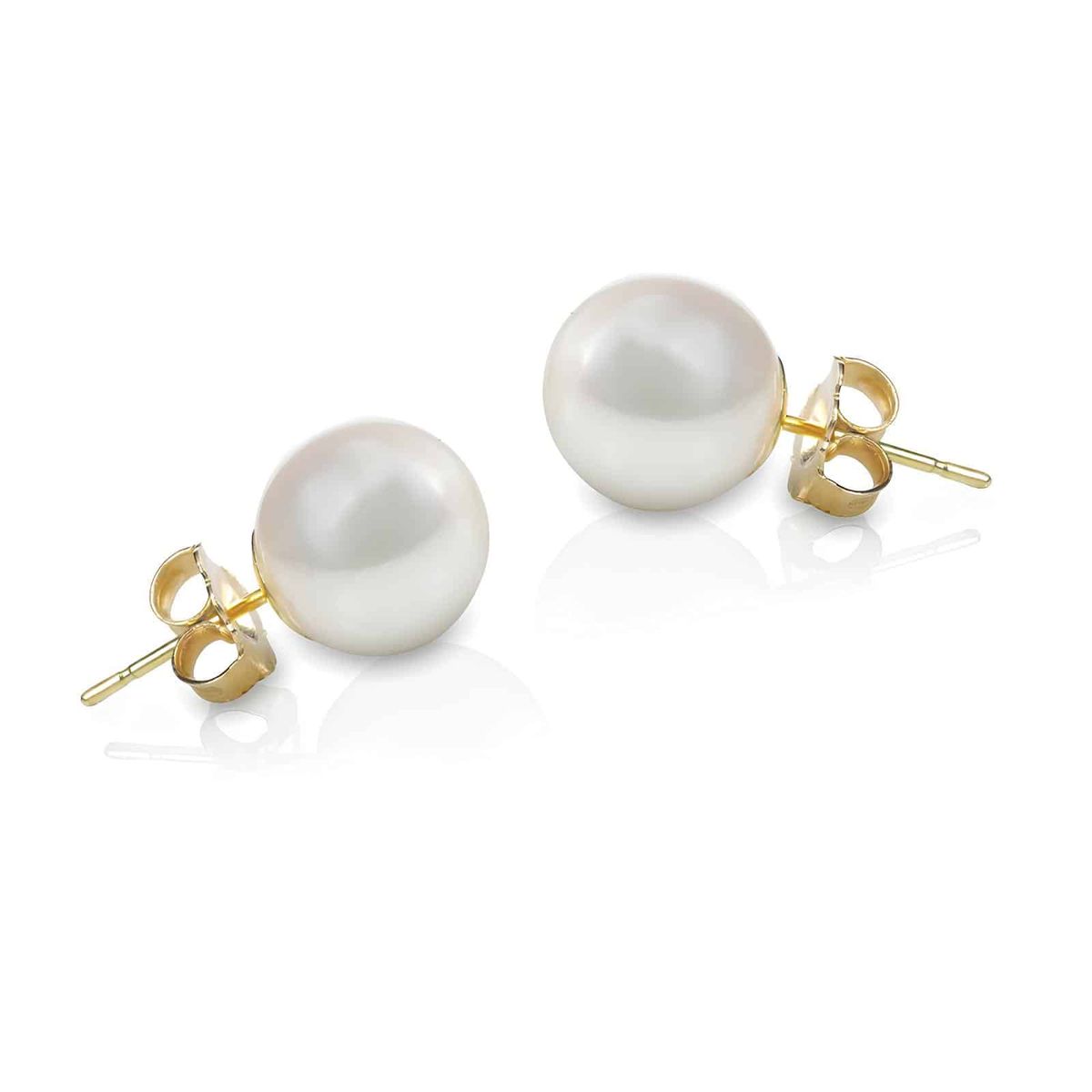
Also known as push backs or butterfly backs, Friction Backs are the most well-liked earring back style. They work on the principle of friction to hold the earring in place on the ear, and they are easy to use and quite versatile.
Pros:
- Simple to utilize and easily accessible
- Pairs well with a variety of earring styles
Cons:
- May loosen over time, with an increased chance of losing earrings
- Less secure than locking or screw back mechanisms
16. Snap-On
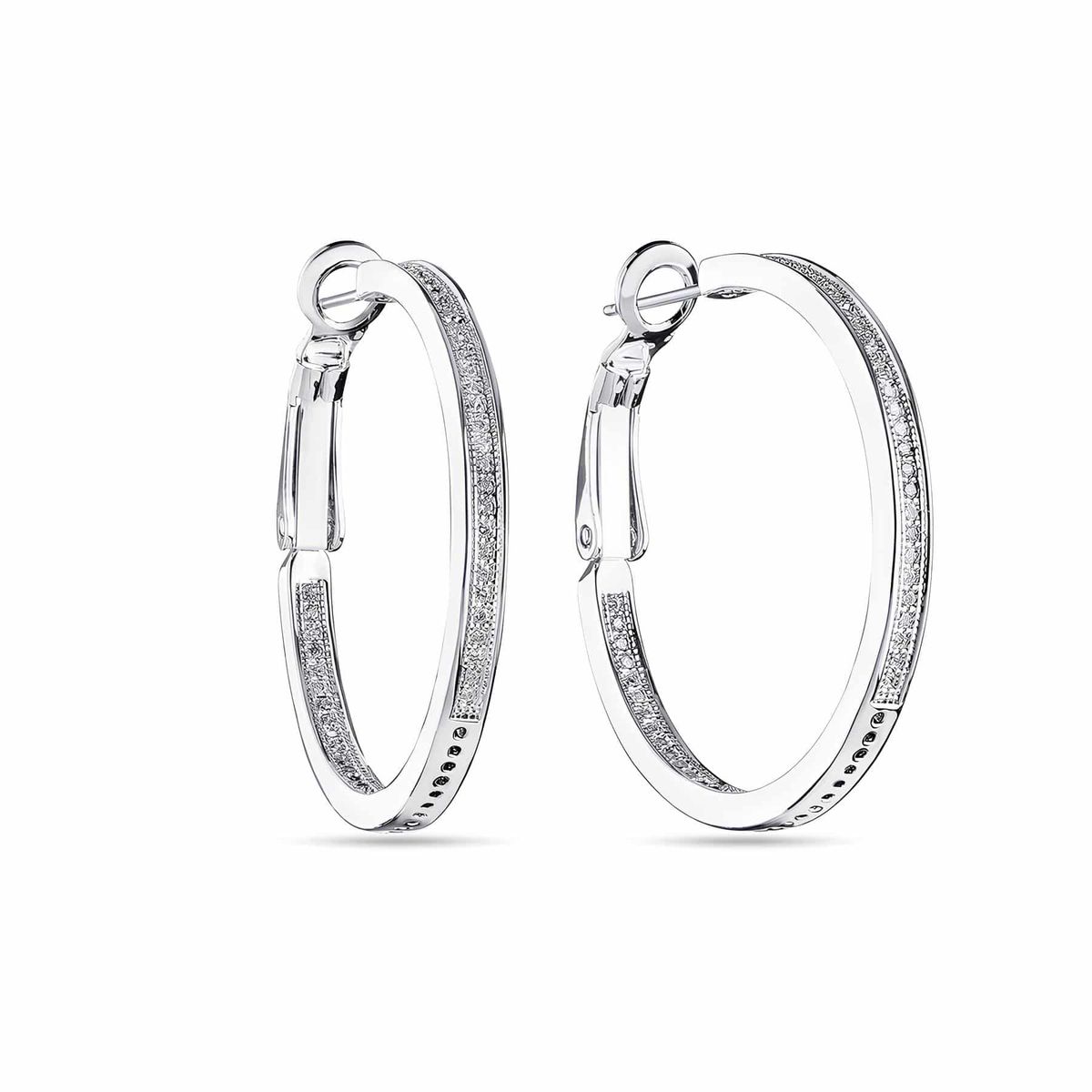
Snap-On backs are most often worn with hinged hoop earrings. The earring post simply snaps into a hole on the other side of the earring to secure it in place.
Pros:
- Secure and easy to use
- Ideal for hoop earrings of any size
Cons:
- May be difficult to align the post with the hole
- Not suitable for all types of earrings
17. Clip-On
Clip-On backs are perfect for those who do not wish to pierce their ears. Just as the name suggests, they merely clip on to your earlobe. Clip-Ons have been around for decades and come in a huge assortment of ornamental designs.
Pros:
- No piercing needed
- Available in a wide variety of styles and designs
Cons:
- May not be as secure a fit as pierced earrings
- Can be uncomfortable to wear for long durations
18. Wire Back
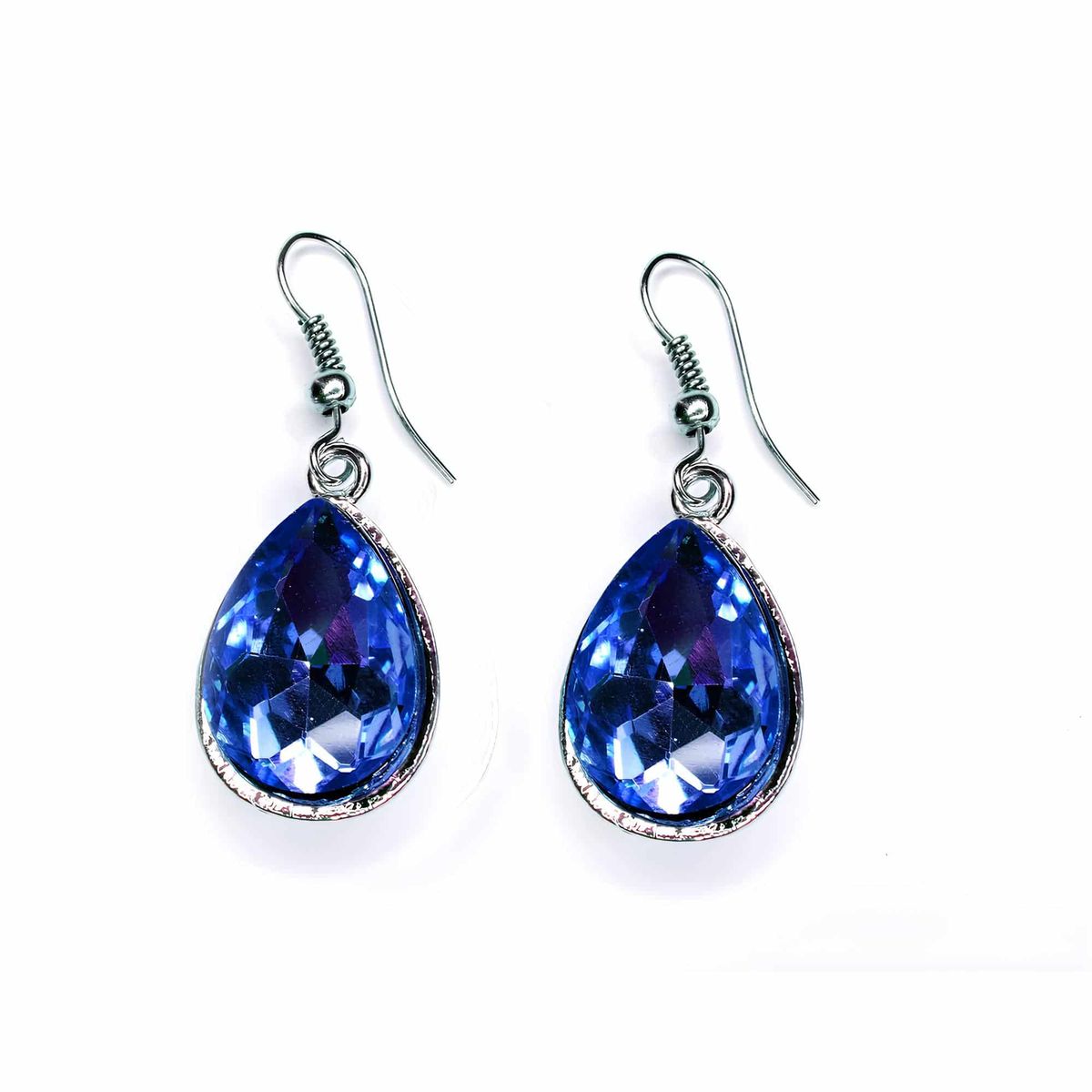
Wire Backs are a classic, and they're often used in drop or dangle earrings. The wire passes through the earlobe and is lightweight and comfortable to wear. They can add a touch of elegance to your earrings.
Pros:
- Lightweight and comfortable for prolonged wear
- Can add elegance to the earring design
Cons:
- Less secure than other earring back types
- Not suitable for heavy earrings
19. Saddleback
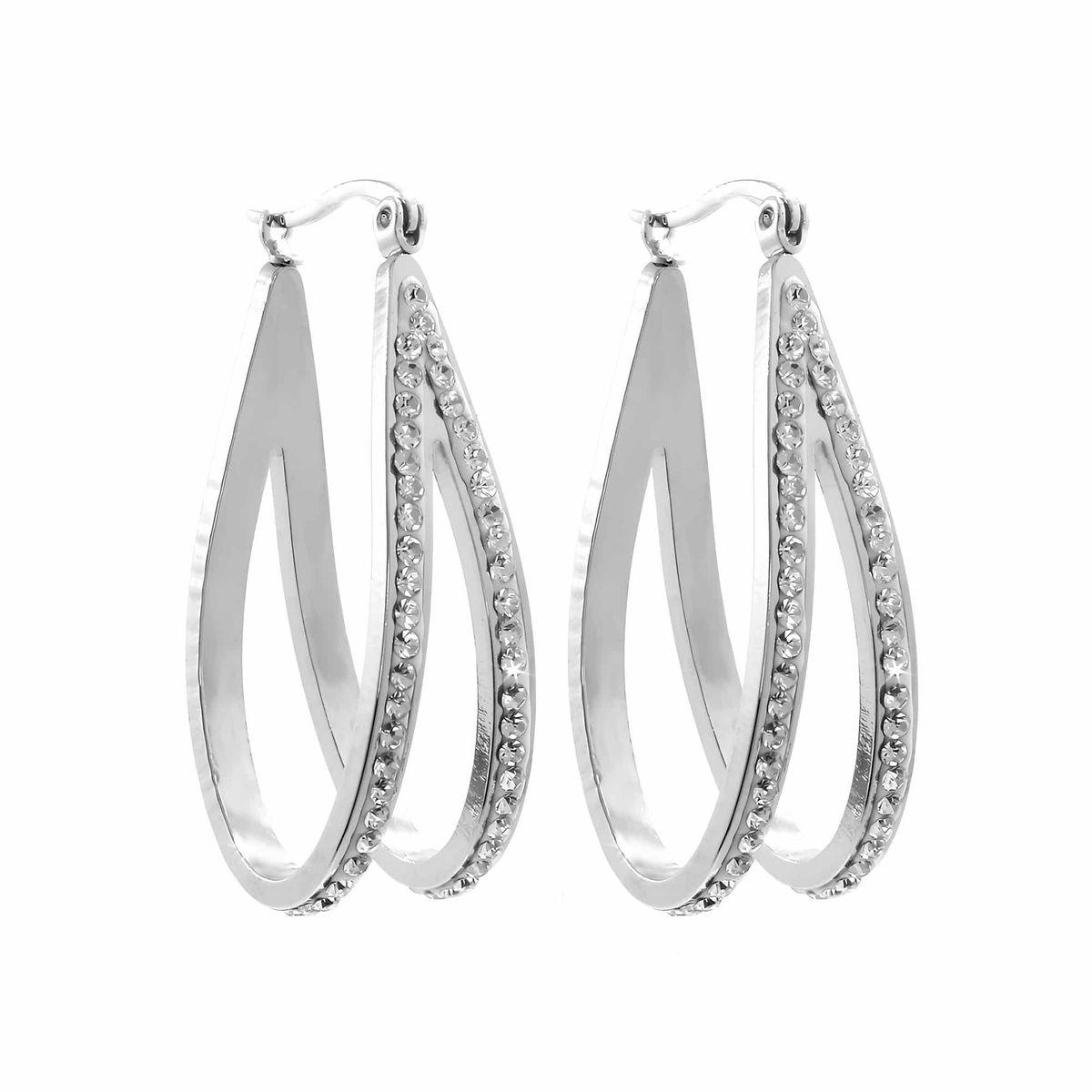
Saddleback backs, or European locks, are a common back style for hoop earrings. They feature a hinged lever that locks into a groove on the post for secure closure and comfortable wear.
Pros:
- Provides a secure fit
- Comfortable to wear
Cons:
- May be hard to lock and unlock
- Not suitable for all earring types
20. Ball Back
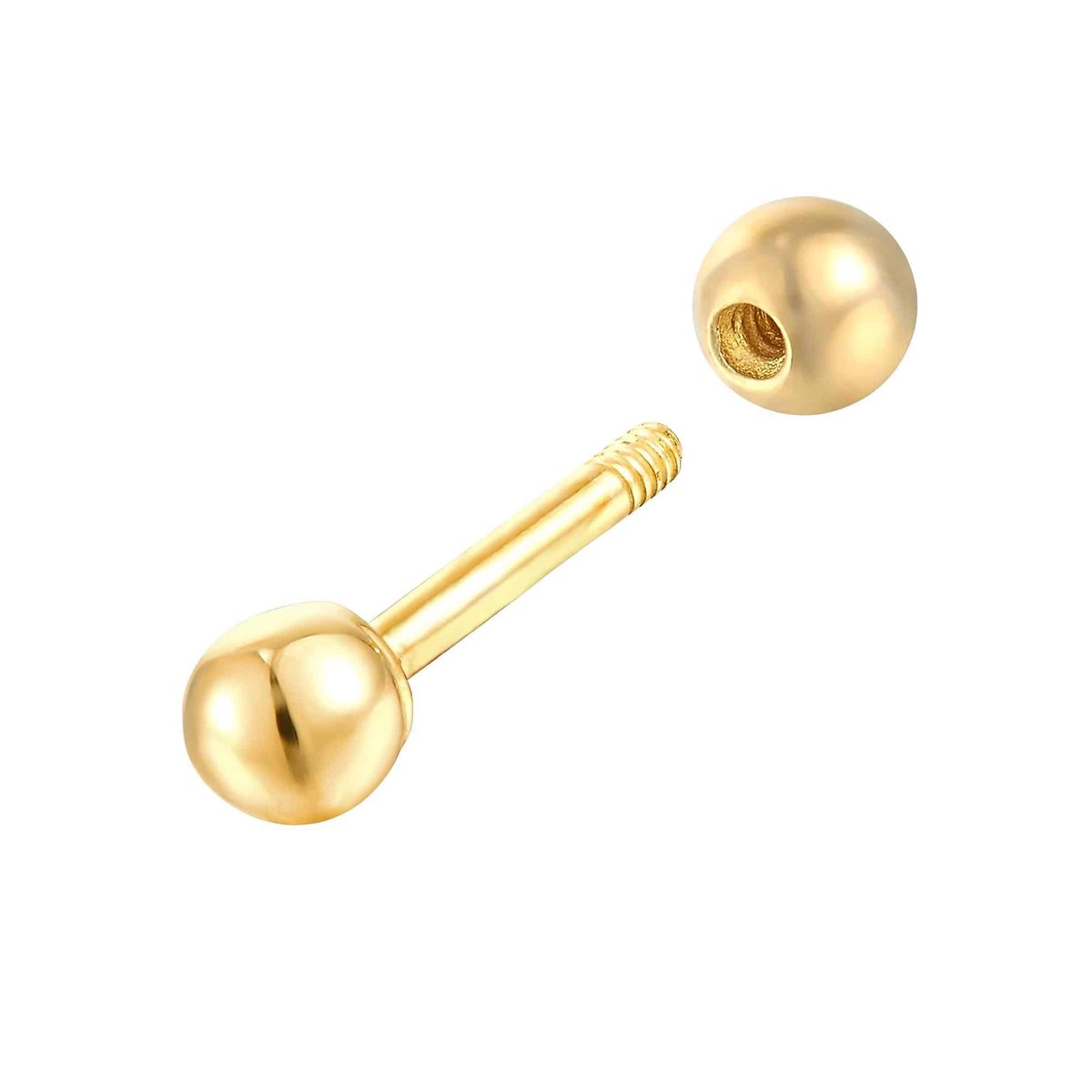
Ball Backs are essentially a modification of the butterfly or push-back, but in place of a flat piece, there is an ornamental ball. This back can add another design element to your earring design.
Pros:
- Can add an ornamental value to the earring
- Easy to use and compatible with various styles
Cons:
- Not as safe as some other back types
- Ball may be too large or uncomfortable for others
21. Bezel Back
Bezel Backs are typically used for earrings with big stones. Bezel Backs not only keep the earring secure, but also add to the attractiveness of the earring, since they make the stones appear bigger and more conspicuous.
Pros:
- Enhances the appearance of stones
- Provides excellent security for the earring
Cons:
- May be harder to clean due to the closed design
- Not suitable for all earring types
22. Flat Pad
Flat Pad backs are the most common for stud earrings. They have a flat surface that rests against the back of the earlobe, making them comfortable to wear.
Pros:
- Comfortable to wear, especially for studs
- Easy to apply and remove
Cons:
- Not as secure as some other earring back types
- May become loose over time
23. Barrel Clutch
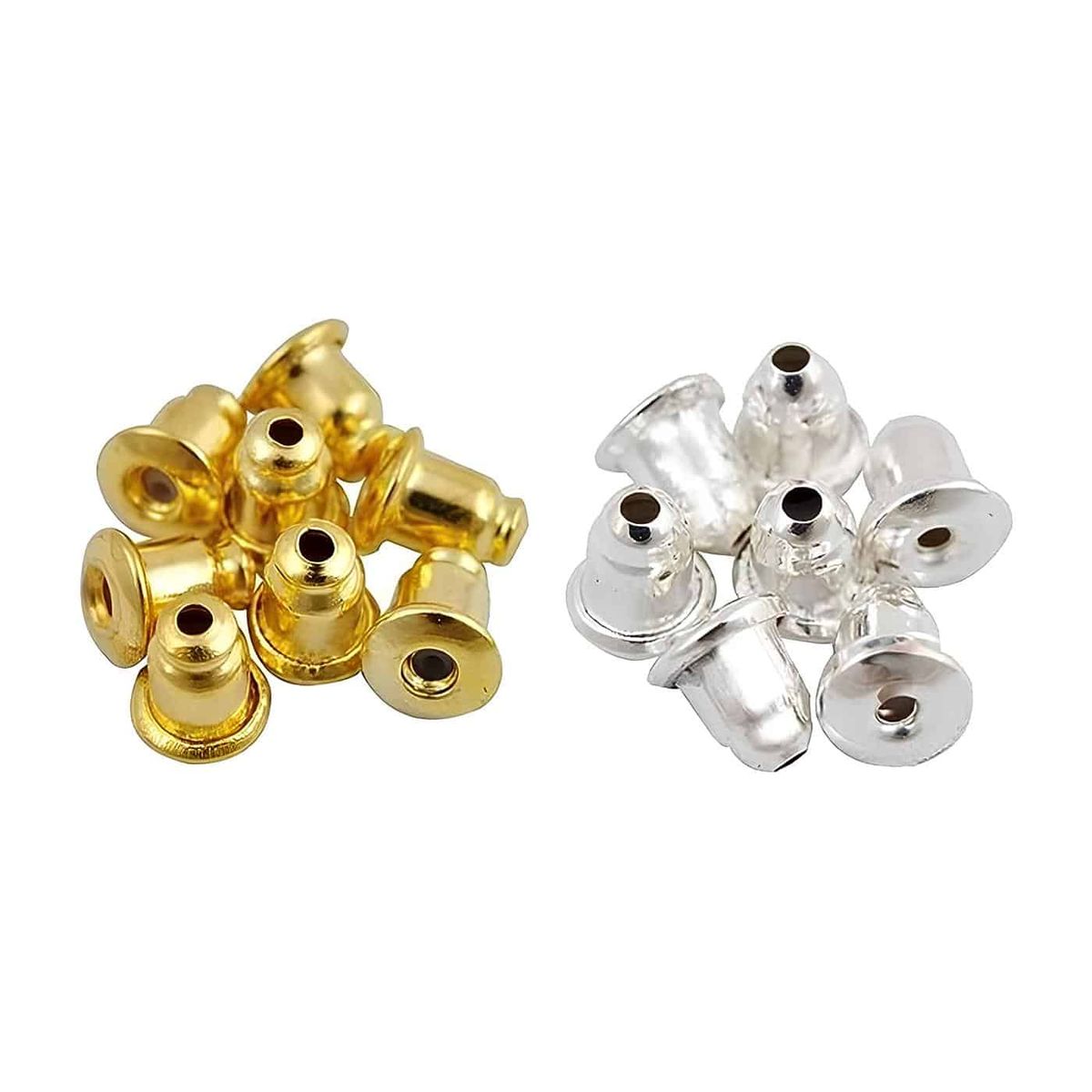
Barrel Clutch backs are designed for safety. They are named as such because of their barrel shape and usually include a safety mechanism to prevent the earring from coming off.
Pros:
- Safe and suitable for precious jewelry
- Typically includes a safety mechanism
Cons:
- Can be more difficult to put on and take off
- Possibly too big for some users
24. Cup and Post
Cup and Post backs are better suited for earrings that are heavier or have larger gems. The ‘cup’ provides support, allowing the earring to lie comfortably without drooping.
Pros:
- Provides excellent support for heavier earrings or larger gemstones
- Can keep earrings from drooping
Cons:
- Not suitable for all types of earrings
- May be harder to take off and put on
And there you have it – a comprehensive rundown of 24 different types of earring backs! As you can see, there’s an earring back out there for every style, comfort level, and type of earring imaginable. As always, remember that the best earring back for you will be based on a variety of factors: your lifestyle, the type of earrings you wear, and your personal comfort. By understanding the pros and cons of each type, you can make a more informed decision and wear your favorite earrings with confidence. So go ahead and experiment with different types – find what works best for you. After all, the world of earrings is as diverse and wide-ranging as the people who wear them!