Ever wonder why a tiny diamond can cost more than a car?
Let’s be honest—“carat” is one of those words that gets tossed around in jewelry stores and proposal scenes like everyone knows what it means. But most people don’t. Not really.
Here's where it gets interesting: a carat has nothing to do with size. It's a measure of weight. And understanding that small distinction can make a huge difference—especially if you’re buying jewelry, comparing diamonds, or confused about carats vs. karats.
What Is a Carat? (Quick Answer)
A carat is a unit of weight used to measure gemstones and pearls.
One carat equals 200 milligrams or 0.2 grams. The heavier the stone, the higher its carat weight.
Important note: Carat weight is not the same as gemstone size. Some gems are denser than others, meaning two stones with the same carat weight can appear to be completely different sizes.
Where Did the Word “Carat” Come From?
The term “carat” comes from the ancient use of carob seeds to weigh gems in Middle Eastern markets. Carob seeds were believed to have a remarkably consistent weight, making them a natural scale for early traders.
Over time, the word was passed from Arabic (qīrāṭ) to Greek (kerátion), and eventually entered European languages as “carat.”
In 1907, the carat was standardized globally to exactly 0.2 grams by the International Committee of Weights and Measures.
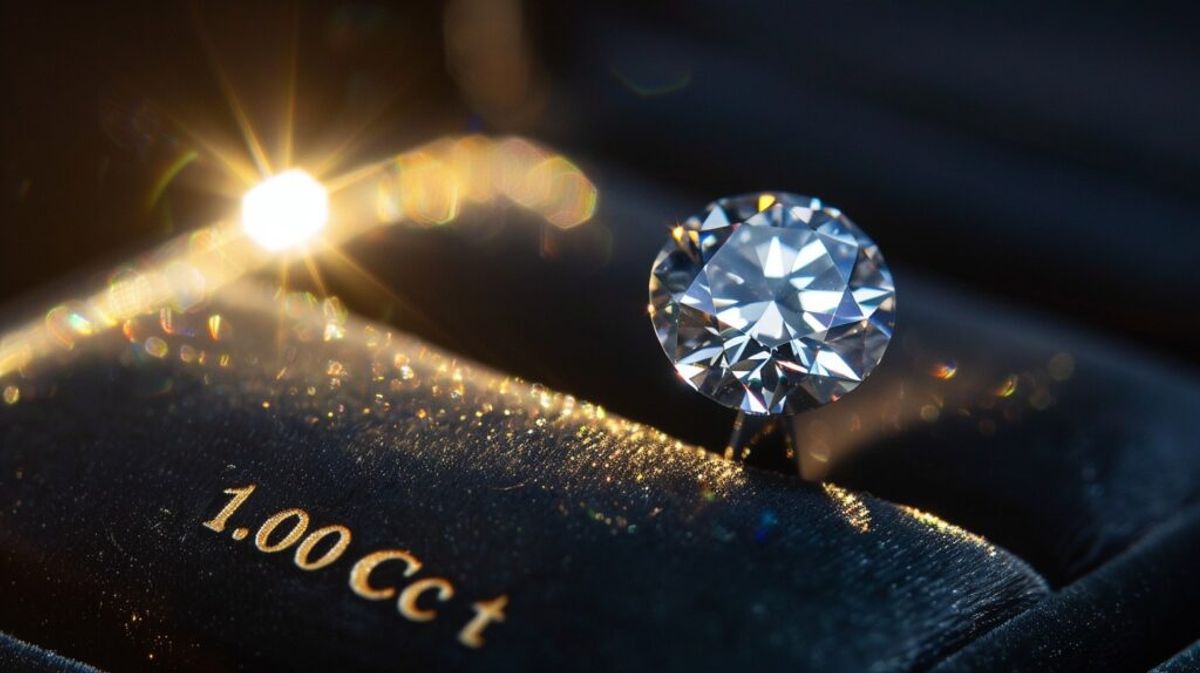
Carat vs. Karat – What’s the Difference?
It’s one of the most common mix-ups in the jewelry world: carat vs. karat. Though they sound the same, they measure completely different things.
TermWhat It MeasuresUsed ForCaratWeight (0.2 grams)Gemstones & pearlsKaratGold purity (out of 24 parts)Gold jewelry
Example: A 1-carat diamond weighs 0.2 grams. A 24-karat gold ring is made of pure gold.
Tip: Think of “karat” as the gold purity scale—24 karats = 100% gold. “Carat” is for gemstone weight.
How Carat Weight Affects Gemstone Value
Carat weight is a key factor in gemstone pricing. The higher the carat weight, the rarer (and usually more expensive) the gem.
But that’s not all… The price per carat increases as weight increases.
Carat WeightEstimated PricePrice per Carat1.00 ct$6,000$6,0002.00 ct$16,000$8,0003.00 ct$36,000$12,000
So why the jump? Large, flawless stones are much rarer—and scarcity drives price.
Is Bigger Always Better?
Not necessarily. Carat weight is just one of the 4 Cs that define diamond quality:
- Carat (weight)
- Cut (sparkle and brilliance)
- Color (whiteness or colorlessness)
- Clarity (imperfections or "inclusions")
A perfectly cut 1-carat diamond can outshine a poorly cut 2-carat diamond every time.
That’s why buyers are often advised to find the best cut within their carat budget.
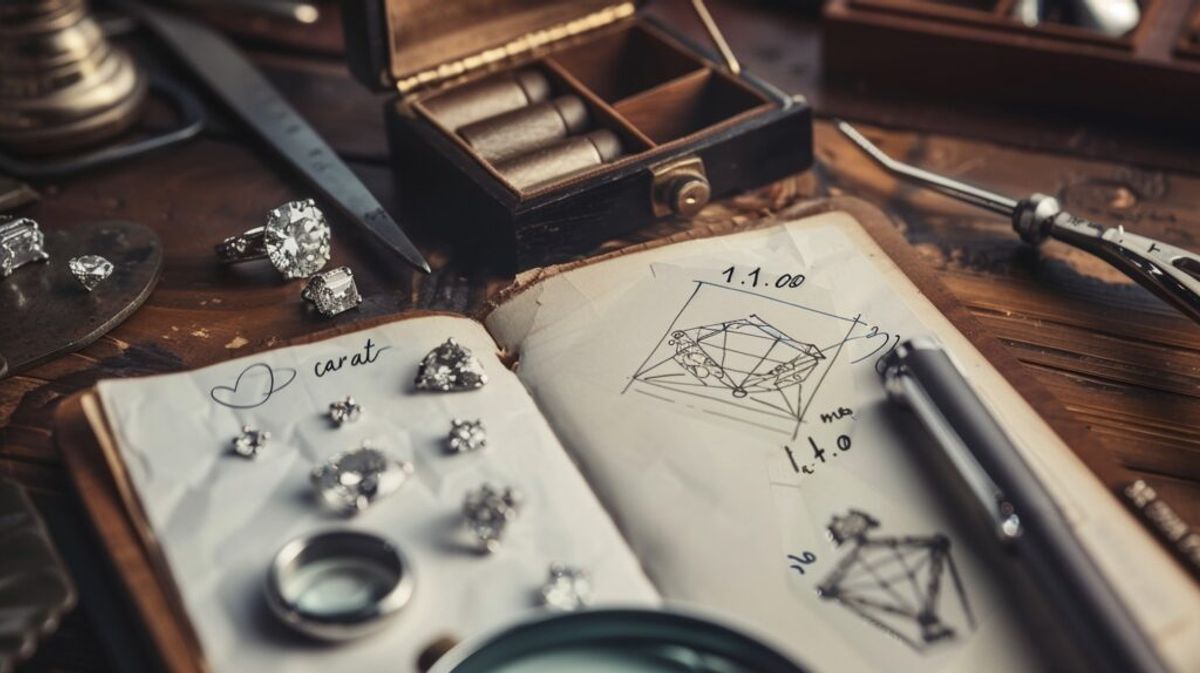
What Does 1 Carat Look Like?
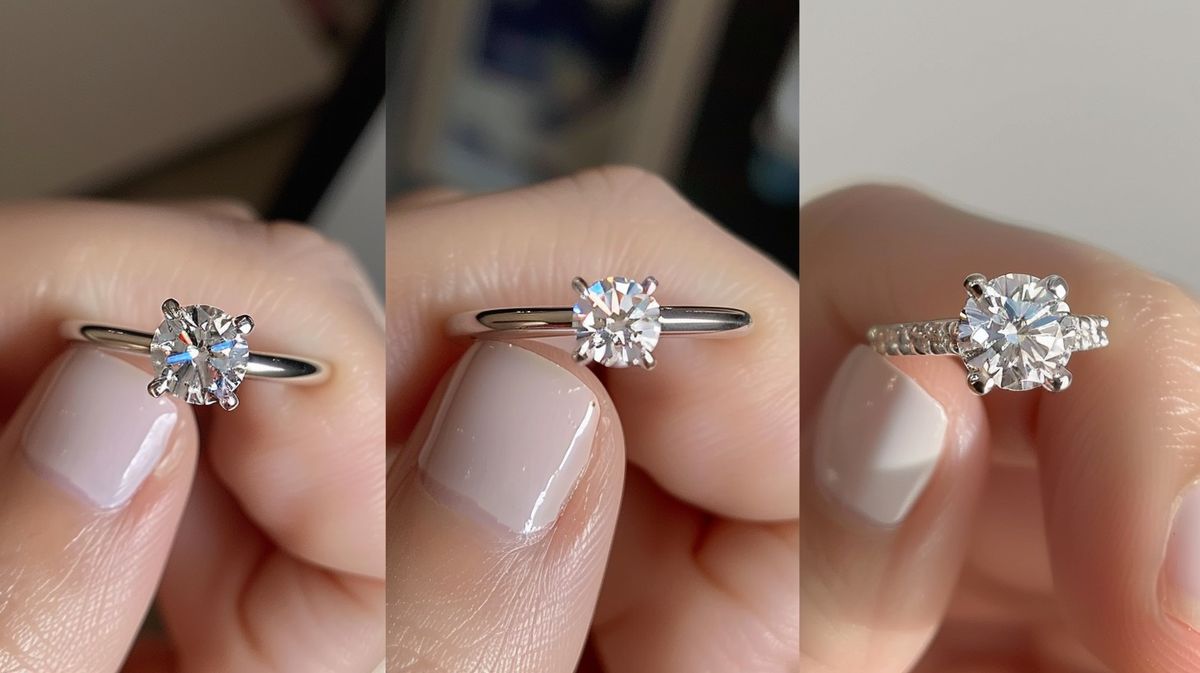
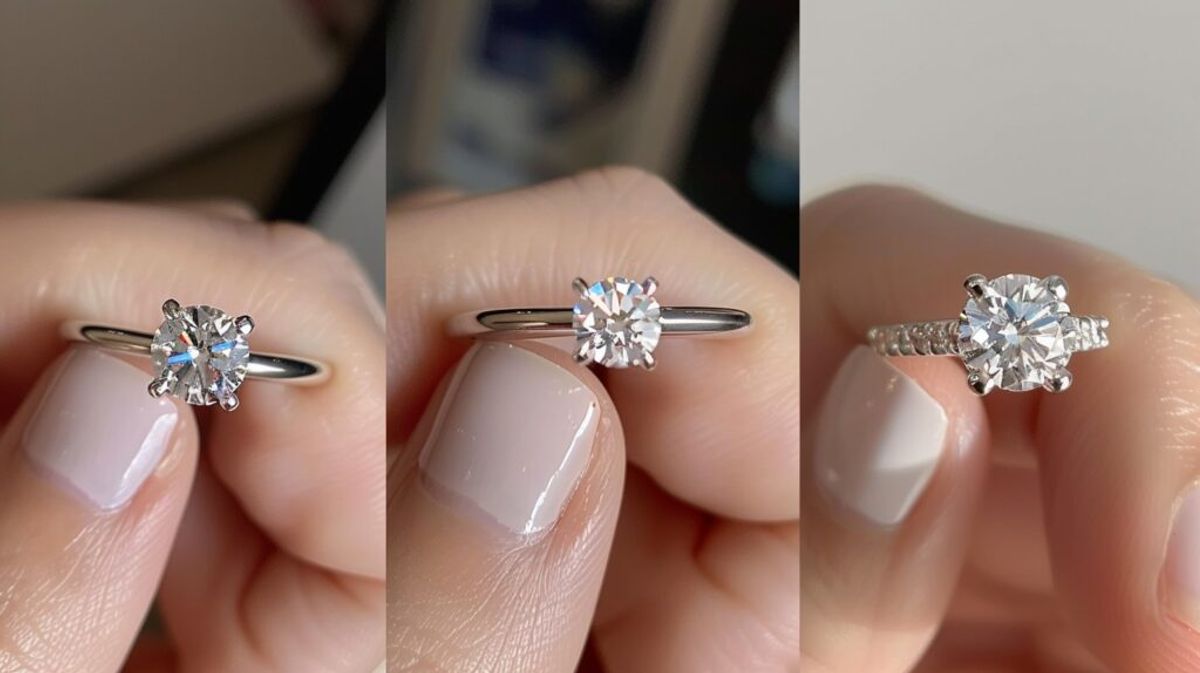
One carat equals 6.4 to 6.5 mm in diameter for a round brilliant cut diamond. But remember, shape matters too.
ShapeAverage Size (1 ct)Round6.5 mmOval7.7 x 5.7 mmPear8.5 x 5.5 mmPrincess5.5 x 5.5 mm
Elongated shapes like oval and pear tend to look larger than round stones at the same carat weight.
How Many Grams Is a Carat?
- 1 carat = 200 milligrams = 0.2 grams
- 5 carats = 1 gram
- 1 gram = 5 carats
If you see a sapphire that weighs 3 grams, it’s a 15-carat stone—which would be massive for a diamond, but not unusual for colored gems.
Carat Weight vs. Size: Not Always the Same
Carat weight measures mass. Size measures volume. The denser the gemstone, the smaller it looks at the same carat weight.
For example:
- Diamonds are less dense than sapphires.
- A 1-carat sapphire will appear smaller than a 1-carat diamond.
That’s why smart buyers look at millimeter dimensions + carat weight—not just one or the other.
What’s a Good Carat Size for an Engagement Ring?
There’s no “perfect” carat size—only what fits your personal style, finger size, and budget. That said, the average engagement ring diamond in the U.S. is about 1.00 carat.
Popular Carat Ranges by Style
- 0.50 – 0.75 ct: Dainty, minimal, understated elegance
- 1.00 – 1.50 ct: Classic, balanced, traditional choice
- 2.00+ ct: Bold, luxurious, red carpet sparkle
💡 Pro Tip: Choose a carat size like 0.90 ct instead of 1.00 ct to save money while keeping visual size nearly identical.
Visual Impact: How to Make a Smaller Carat Look Bigger
Not everyone wants (or needs) a giant diamond. With the right strategy, a smaller stone can still make a big impression.
Smart Style Tips
- Halo settings: Surround the center stone with smaller diamonds
- Thinner bands: Make the center stone appear larger by contrast
- Elongated shapes: Ovals, marquise, and pears maximize spread
- White metal settings: Platinum or white gold enhance brilliance
Common Carat Myths & Misunderstandings
💬 Myth #1: Carat equals size.
False. Carat is weight. Size depends on cut, shape, and density.
💬 Myth #2: Bigger carat = better diamond.
Not always. A 2-carat diamond with poor cut can look dull next to a smaller, perfectly cut stone.
💬 Myth #3: A higher carat always means higher value.
Nope. Clarity, color, and cut can dramatically increase or decrease value regardless of carat weight.
💬 Myth #4: You must buy exactly 1.00 carat or more.
False. Stones just below benchmark weights (e.g., 0.90 ct) offer great value with almost the same appearance.
Frequently Asked Questions (PAA Optimized)
What does carat mean in jewelry?
A carat is a unit of weight used to measure gemstones and pearls. One carat equals 0.2 grams. It's one of the 4Cs that determine a diamond's value.
What’s the difference between carat and karat?
Carat measures gemstone weight. Karat (with a K) refers to gold purity. For example, 18K gold is 75% pure gold.
Does higher carat mean bigger diamond?
Not always. A diamond’s visible size depends on shape and cut. A 1-carat round diamond looks different than a 1-carat pear or emerald cut.
How many grams is 1 carat?
One carat equals 0.2 grams or 200 milligrams.
Is 1 carat diamond a good size?
Yes. A 1-carat diamond is considered classic and elegant for engagement rings. But beauty and impact depend on cut, setting, and design.
Why is there a big price jump at 1.00 ct?
Because diamonds at or above 1.00 ct are rarer and in higher demand. The price per carat increases significantly as weight increases.
Can carat weight be faked?
Not easily. Authentic jewelers use certified scales and gemological labs. Always ask for certification (e.g., GIA or IGI) before purchasing.
What’s the origin of the carat system?
The carat system originated from the use of carob seeds in ancient markets to weigh gemstones due to their consistent weight.
Final Thoughts? Not Quite… Just a Moment of Clarity
This isn't about numbers on a scale or stats on a chart. It’s about meaning. When you understand what a carat really is—and what it isn’t—you make smarter choices, ask sharper questions, and see the hidden layers beneath the sparkle.
Whether you're buying a diamond, admiring a sapphire, or just curious about what makes a gemstone special, now you know:
- Carat is weight, not size
- Bigger isn’t always better
- Beauty is about balance—not just numbers
Now go explore the world of gems with a little more wisdom—and a whole lot more sparkle.
Related Reading & Helpful Resources
- Engagement Ring vs. Wedding Ring: What’s the Real Difference?
- What Is Rose Gold? Origins, Meaning & How It’s Made
- Carat vs. Karat vs. Carrot – Jewelry Terms Decoded
📩 Want more jewelry insights delivered to your inbox? Subscribe to our insider list and get exclusive guides, tips, and gemstone stories.