A Shimmering Secret Behind Everyday Luxury
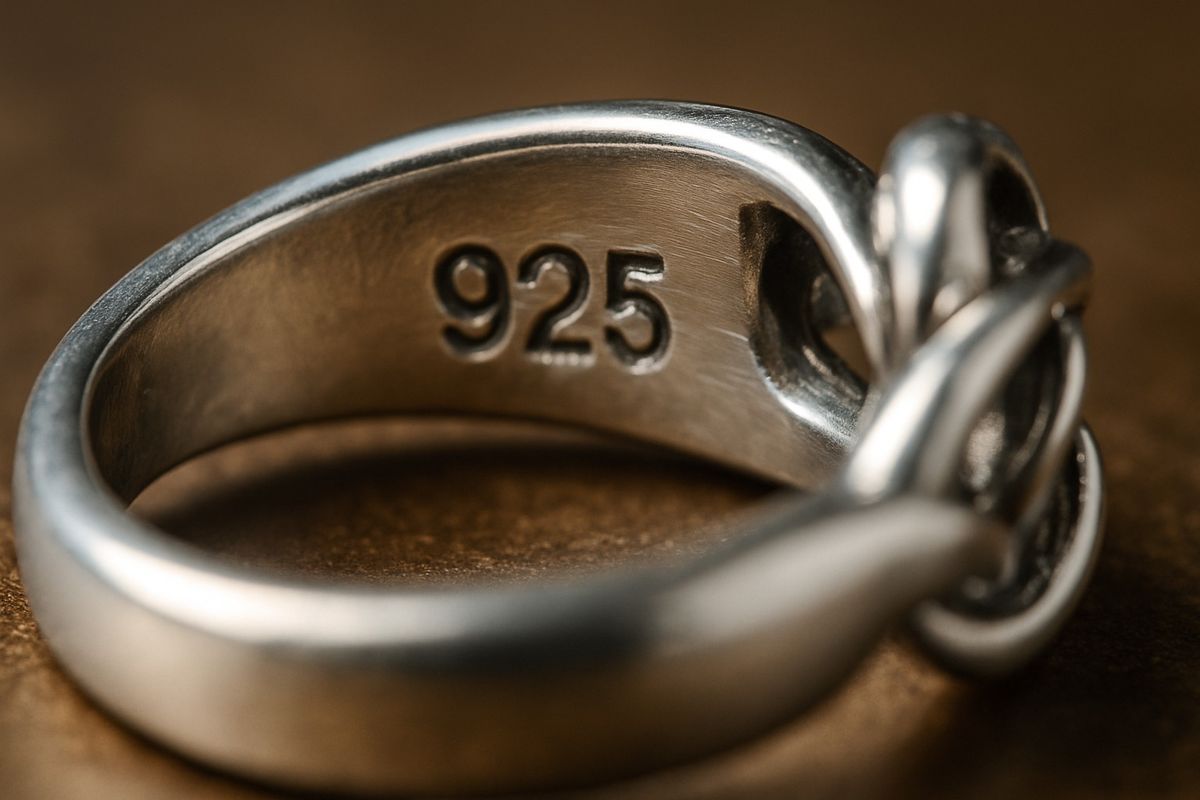
It catches the light, feels substantial in your hand, and often bears a mysterious stamp: “925.” You’ve seen it on rings, necklaces, and heirloom cutlery—but what does it really mean?
Sterling silver is more than just beautiful—it's engineered elegance. Beneath its shine is a carefully balanced alloy that combines visual brilliance with durability. From royal tableware to personalized bracelets, this trusted metal has adorned human history for centuries.
Table of Contents
- What is Sterling Silver?
- Sterling Silver Composition: What’s It Made Of?
- A Brief History of Sterling Silver
- Sterling Silver vs Other Types of Silver
- Why Sterling Silver Is Perfect for Jewelry
- Caring for Sterling Silver
- FAQs About Sterling Silver
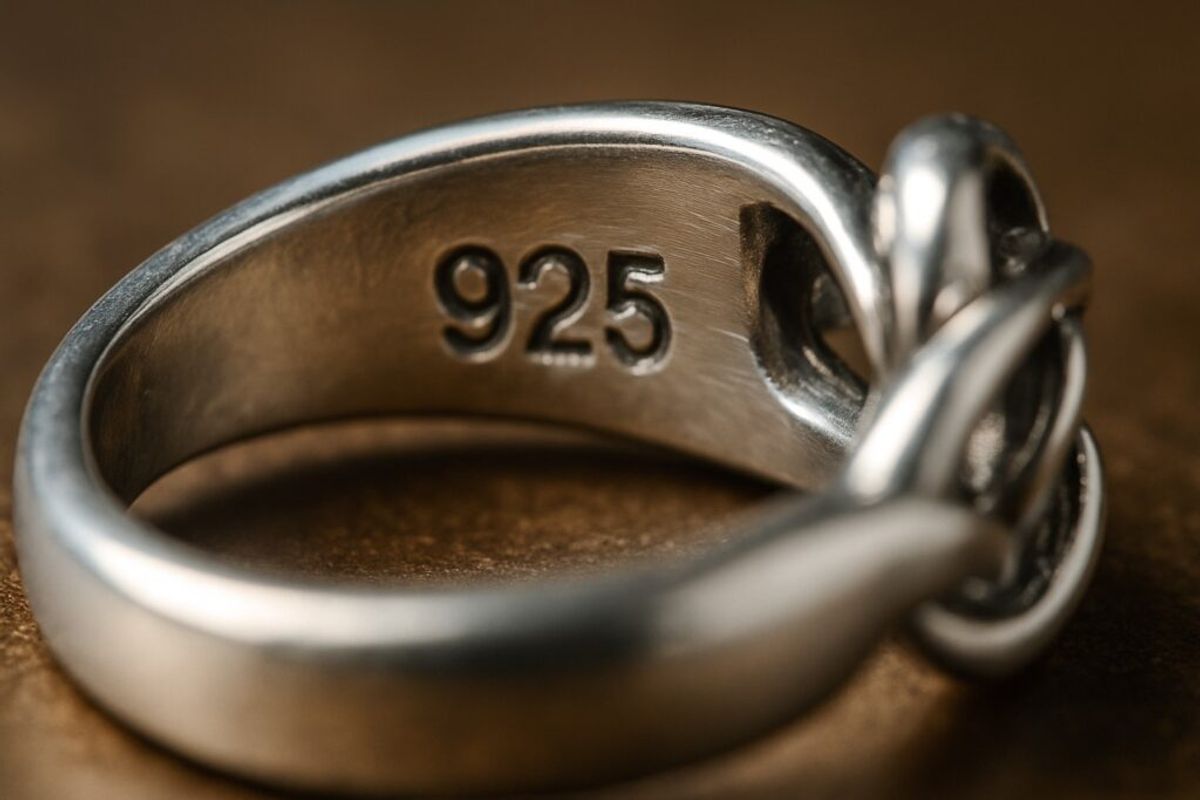
What is Sterling Silver?
Sterling silver is a high-quality silver alloy made of 92.5% pure silver and 7.5% other metals, usually copper. This mix offers strength, shine, and versatility—making it ideal for jewelry, silverware, and artisanal design.
The name "sterling" likely derives from “Easterling Silver,” a trusted standard for trade currency in medieval Europe. Today, sterling is recognized by its hallmark: 925.
Sterling Silver Composition: What’s It Made Of?
ComponentPercentagePurposePure Silver92.5%Primary metal, provides the shine and colorCopper (or other metals)7.5%Adds durability and hardness
Pure silver on its own (99.9%) is too soft to withstand daily wear. By introducing copper, sterling silver becomes strong enough to hold its shape while maintaining a luminous finish.
Tip: Always look for a “925” stamp on genuine sterling silver items. It’s the universal standard of authenticity.
A Brief History of Sterling Silver
💰 From Trade to Tradition
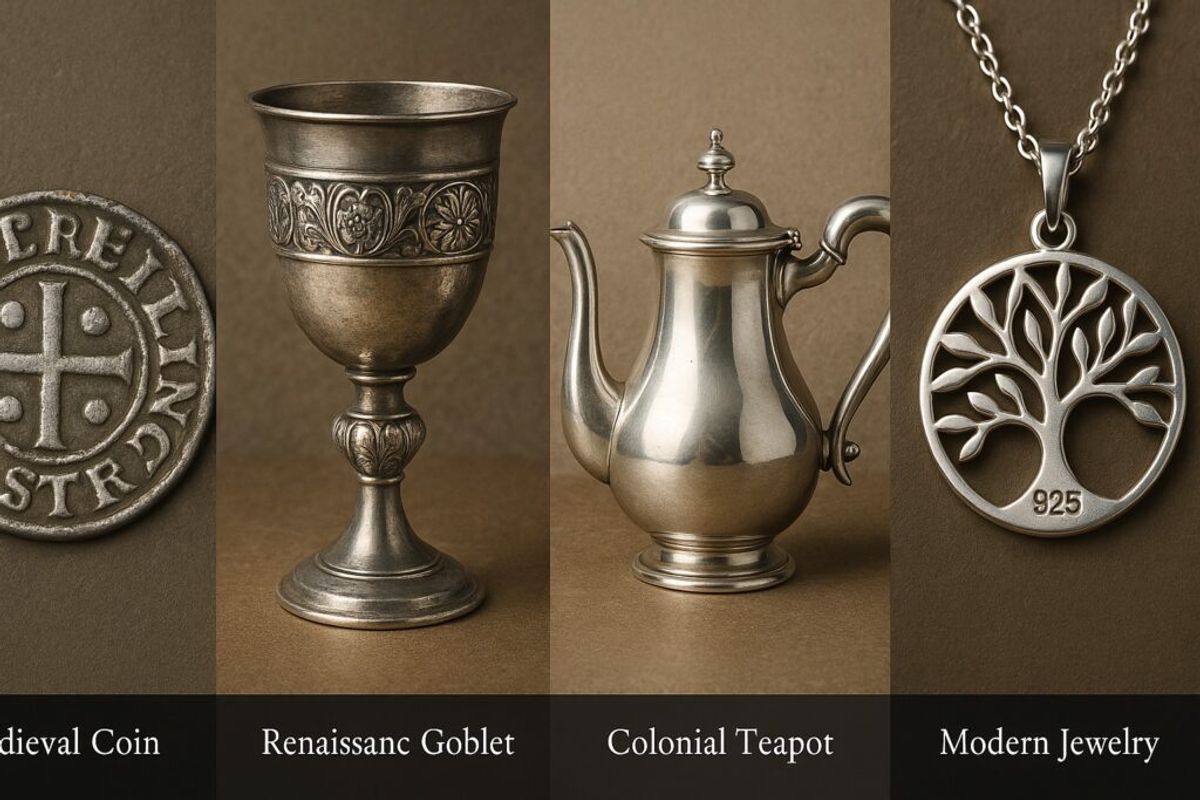
Sterling silver’s roots trace back to the 12th century when it was used in British currency. Coins known as “Easterlings” became a mark of quality—and the name stuck. Over centuries, sterling silver became a symbol of affluence and taste.
👑 Royal Tables and Noble Jewelry
By the Renaissance era, silver was the material of choice for European royalty. Sterling silver adorned banquet halls, royal seals, and ceremonial daggers. In colonial America, silver items like teapots and flatware became family heirlooms—passed down for generations.
Sterling Silver vs Other Types of Silver
🟢 Sterling Silver vs. Pure Silver
- Pure Silver (99.9%) – Soft, easily scratched, used for display items.
- Sterling Silver (92.5%) – Durable, wearable, perfect for daily jewelry.
Read more about the difference between pure silver and sterling silver here.
🔴 Sterling Silver vs. Silver-Plated
- Sterling: Entire piece is made of silver alloy.
- Silver-plated: Thin silver coating over base metals like brass or nickel.
- Warning: Silver-plated items can tarnish quickly and wear down to the base metal.
Pro Tip: When shopping, “925” is your green flag. “EPNS” (electroplated nickel silver) is a red one.
html Copy Edit
Why Sterling Silver Is Perfect for Jewelry
Sterling silver hits the sweet spot between beauty and resilience. Here’s why it’s the go-to metal for both luxury and everyday jewelry:
- Affordable Elegance: Offers the shine of precious metal without the cost of gold or platinum.
- Hypoallergenic: Pure sterling silver (without nickel) is safe for sensitive skin.
- Easy to Personalize: Easily engraved or molded into intricate designs.
- Timeless Appeal: Works with any outfit—from casual to formal.
“Sterling silver doesn’t just look good—it lasts. That’s why I recommend it to clients who want heirloom-quality without breaking the bank.”
– Marcus King, Master Jeweler
How to Care for Sterling Silver
Even quality metals like sterling silver need proper care to retain their brilliance. Here’s how to keep your silver shining:
💡 Daily Care Tips:
- Remove silver before swimming or showering.
- Avoid exposure to household chemicals, perfume, and hair spray.
- Wipe after each use with a soft, lint-free cloth.
🧴 Deep Cleaning:
- Mix a few drops of mild dish soap in warm water.
- Soak jewelry for 5–10 minutes.
- Gently scrub with a soft toothbrush.
- Rinse and dry with a microfiber towel.
You can also buy special silver polishing cloths or dips for quick maintenance—but make sure they’re specifically labeled for sterling silver.
FAQs About Sterling Silver
Is sterling silver real silver?
Yes. Sterling silver is 92.5% pure silver, mixed with other metals to enhance strength. It’s genuine, high-quality silver suitable for everyday use.
What does '925' mean on jewelry?
“925” is a hallmark that indicates 92.5% silver content, the standard for sterling silver. It guarantees authenticity and value.
Does sterling silver tarnish?
Yes, over time it can darken due to oxidation. But unlike silver plating, tarnish can be removed with proper cleaning and doesn’t damage the piece.
Can I wear sterling silver every day?
Absolutely. It’s one of the few precious metals tough enough for daily wear—just follow care guidelines to keep it looking its best.
What is sterling silver used for?
Sterling silver is commonly used in jewelry, utensils, home décor, and collectible coins. Its strength and shine make it ideal for wearable art and heirloom items.
How can you tell if silver is sterling?
Look for a “925” stamp. You can also use a magnet test—sterling silver is not magnetic. For accuracy, use a silver testing kit or consult a jeweler.
Is sterling silver better than plated silver?
Yes. Sterling silver is solid and long-lasting, while plated silver wears off over time and may expose cheaper base metals underneath.