If you have ever celebrated Thanksgiving, then at some point, you need to have participated in the desire to break a wishbone. This little V-shaped bone between a turkey neck and breast has often been the center of light-hearted activity on many dinner tables in most homes.
But from whence did it originate: at some type of modern-day game or roots extremely deep in history, culture, and symbolism? Much more important than imaginable, the wishbone, more rightly named furcula, traces back its history, right from the very, very ancient, to being featured on modern-day jewelry and a piece used for good-luck charms, to becoming that ultimate symbol of hopes, fortunes, and contacts across times.
What is a Wishbone, and why would anyone break it?
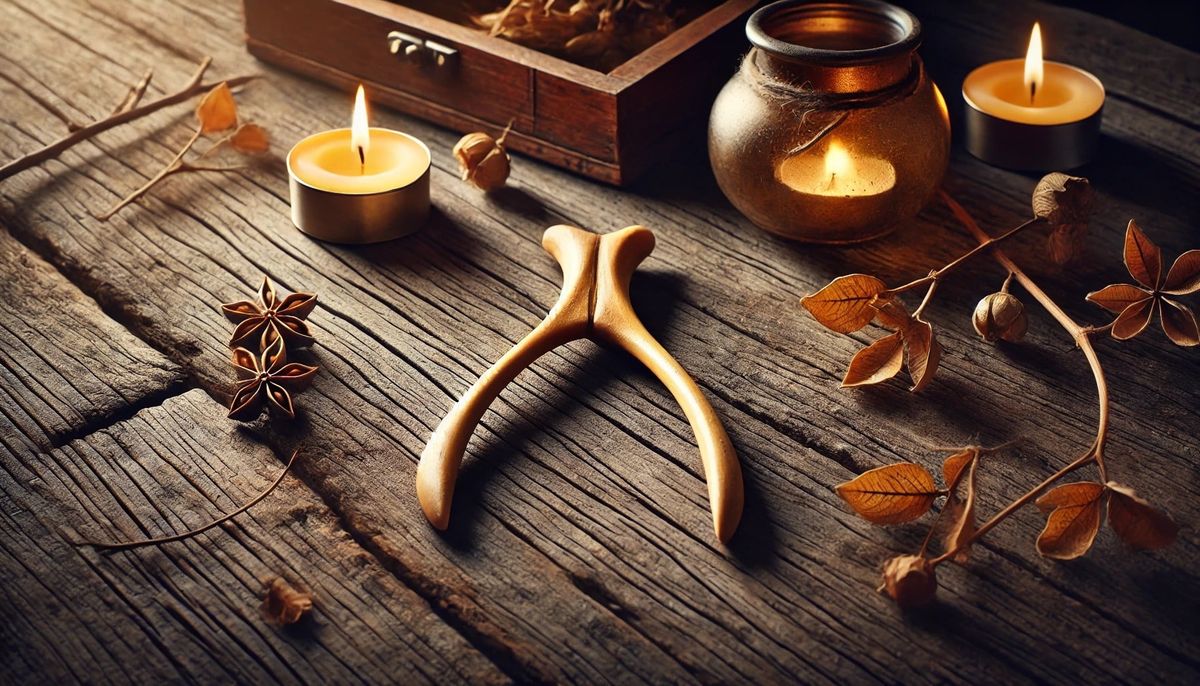
The wishbone is a thin, V-shaped bone found in birds such as chickens and turkeys. Scientifically known as the furcula, it is formed by the fusion of two clavicles and has an important function in a bird's flight mechanics: storing and releasing energy during the movement of flying.
Far beyond its anatomical role, the wishbone has become a token of good fortune and hope based on ancient traditions and folklore. The pulling apart of the bone to make a wish has been passed down throughout generations, making it an endearing tradition in so many homes.
The Rules of the Wishbone Tradition
The wishbone tradition is simple, yet fun, and it goes like this:
- Two Participants are Required: Once the wishbone is pulled from the bird - immediately following Thanksgiving dinner is common two people take the bone between their pinkies at each end.
- Make a Wish: Both participants silently makes a wish.
- Pull and Break: The bone is being pulled until it snaps. The possessor of the bigger fragment of the bone gets the wish granted to him/her.
Variant of Tradition:
- In other versions, both participants get to make their wishes, then the player with the larger portion places the two halves within his fists. The other then chooses and finds the big piece on the fist, to grant them a wish.
- Other traditions have included the likes of having to balance the wishbone on your nose prior to breaking, adding an interactional flair to the game.
Fun Fact: It is considered "cheating" to hold the wishbone too close to the base, or where the two arms meet, because it increases your chances of winning. To make things fair, participants are often expected to hold the tips.
The Origins of the Wishbone Tradition
A very peculiar belief in the modern context might relate to the wishbone and its tradition, whereas history can go as far as thousands of years back for that simple little bone. Its roots must be traced to very old civilizations and their various sets of beliefs with relation to birds and their bones.
1. Etruscan Origins
The tradition of the wishbone is believed to have its origin with the Etruscans, an ancient Italian tribe preceding the Romans. They regarded birds, especially chickens, as sacred animals in which the gods could foresee the future.
- They would preserve the wishbone after slaughtering a chicken and leave it to dry in the sun.
- Then people would stroke the bone or touch it and make a wish for good luck.
2. Adaptation to Roman Culture
It is considered that this practice was taken from the Etruscans, hence the wishbone tradition came into the Romans.
- Still, because chickens were rare and highly valued in ancient Rome, breaking the bone became a practical way to share luck among more people.
- The tradition of breaking the wishbone, passed on from that land, spread throughout the Roman Empire as far as Britain.
3. Voyage to America
For this reason, when British colonists came to America, they brought with them this tradition of the wishbone. As time went on, chickens gave way to turkeys on the tables for feasts like Thanksgiving Day, cementing the association of the wishbone with the holiday.
Ironically, the word "wishbone" is considered to be an Americanism, formed in the 1850s from the words "wish" and "bone."
The Symbolism of the Wishbone
While the wishbone most often seems to be associated with lighthearted fun, there are some deeper symbolic meanings in it:
1. Good Luck - Prosperity
The wishbone is generally considered a sign of good luck. The reason behind considering it a lucky sign is related to the very ancient perception that birds had divine foresight and would therefore grant a blessing to whoever paid respect to them.
2. Hope and Optimism
Breaking the bone after making a wish is a means of hoping for the future, an act enforcing hope, a feeling that better days are ahead, and the wishbone is thus a comforting symbol during family gatherings and milestones.
3. Unity and Connection
The breaking of the wishbone binds people together in some unifying sense of connectedness-family, friends, or loved ones, sharing a wishbone is indicative of bonds shared between individuals.
Global Variations and Similar Traditions
While the tradition of the wishbone is most famously linked to Thanksgiving in America, other parts of the world have their own similar customs:
- Italy: The Etruscan and the Roman saliently were among the first to save and share chicken wishbones for good luck. Therefore, their practices thus gave background to modern traditions concerning the wishbones.
- United Kingdom: Breaking the wishbone became popular in Britain long before it actually reached American shores.
- Other Cultures: Not exactly like the tradition of the wishbone, other cultures have similar customs involving objects of luck, such as pulling Christmas crackers in the UK or breaking bread in religious ceremonies.
These global variations underline the human universality of hope and wish, united by traditions across borders.
The Wishbone in Jewelry of the Modern Century
From being a dinner-table tradition, the wishbone has grown to become a modernistic symbol of fashion in this day and age, especially within jewelry design.
1. Wishbone Jewelry and Its Meaning
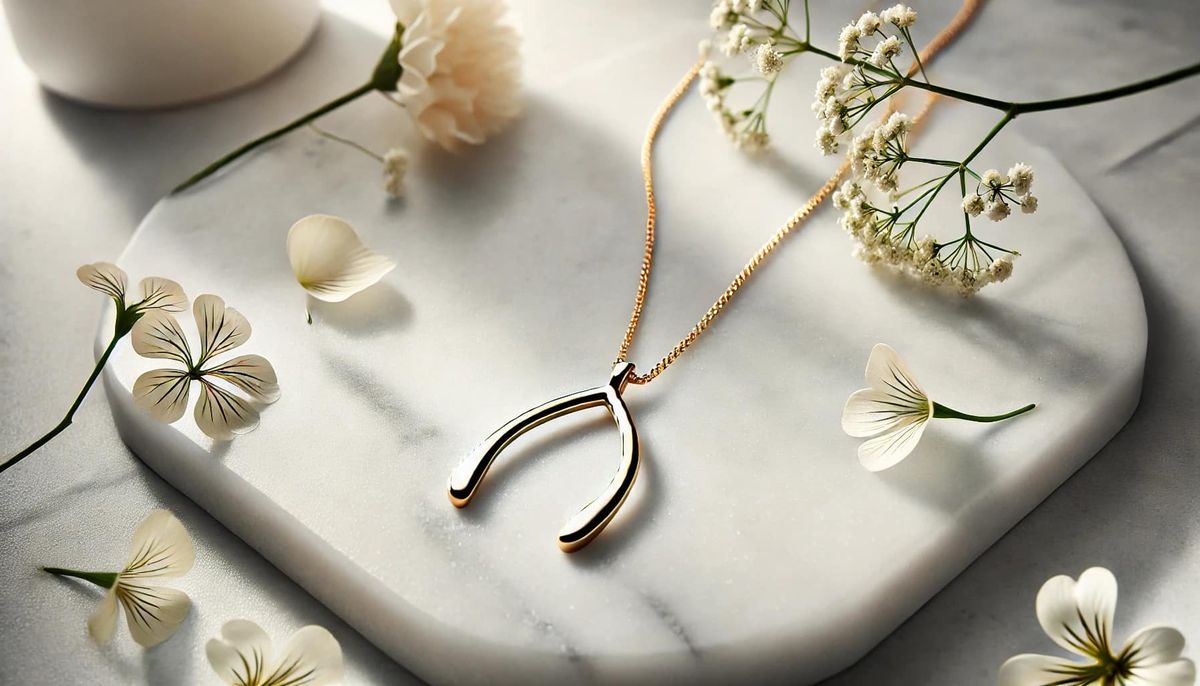
Wishbone jewelry—necklaces, bracelets, rings—have long been worn for good luck. Some of the meanings that it has acquired are symbolic of:
- Good Luck and Protection: A wishbone piece they say can bring good luck if worn by a person.
- Hope and Aspiration: A daily reminder to be optimistic and chase dreams.
- Ties and Bonds: Wishbone jewelry can be used in depicting the connection between two, their hope combined within it; therefore, it is an extremely thoughtful gesture to be given to loved ones.
2. The Most Popular Trends in Wishbone Jewelry
Wishbone jewelry is designed to be versatile and stylish. Common forms include:
- Necklaces: The necklaces are the most worn, usually consisting of a dainty metal wishbone pendant. Others incorporate gemstones or other attachments that provide the addition of classiness to the jewel. Some may customize unique designs, such as personalized necklaces, in order to make the jewelry a little more personal.
- Rings: The wishbone-shaped ring is given as a token for luck or friendship.
- Bracelets and Charms: Perfect to wear every day, by itself or with layering.
How to Incorporate the Tradition of the Wishbone into Your Thanksgiving Celebration
The wishbone might be an ancient tradition, but it can light up modern celebrations on Thanksgivings in the best of senses to this very day. Here's a number of ways you might give just that extra added emphasis necessary to make your wish-bone-pulling ritual live in memories, or add to them for many coming years:
1. Engage Everyone at the Table
While only two people usually break the wishbone, you can make it an inclusive activity by:
- Allowing everyone to make their personal silent wish before the bone is broken.
- Encourage the two participants to "represent" the group's collective good-luck wishes. Taking turns with the wishbones from the various birds, if there's more than one on the table.
2. Teach the History
Share the history behind the tradition of the wishbone at dinner: Guests—especially kids—are going to love how this little bone made it from ancient Rome to Britain onto the dinner table on Thanksgiving.
3. Add Some Fun Challenges
Spice up the tradition with light challenges such as:
- Balancing the wishbone on your nose before breaking it.
- Guesses before pulling the bone as to who might win.
- Letting the group vote on what they think is the most creative wish without telling them what the actual wish is, of course.
These small additions can make the tradition of the wishbone a favorite family activity.
How to Win at Breaking the Wishbone
For the competitive—or just plain curious—here’s how to increase your chances of walking away with the larger piece of the wishbone:
- Dry is Easier to Break: A dry wishbone will be more brittle and will therefore break much more cleanly. Let it sit for at least a day or two.
- Holding Tips: Hold the tips of the bone evenly to ensure a fair break. Never have it closer to the base, which is often considered cheating.
- Pull Steady: Do not yank; instead, pull steady to apply the leverage.
- Pick the Right Side: Some say one side of the wishbone is biologically stronger. Without scientific evidence to prove this, you may want to select the thicker arm of the bone.
While winning is fun, remember the real point of the wishbone tradition is to share joy and hope with loved ones.
FAQs About the Wishbone Tradition
1. What happens if the wishbone breaks even?
If the wishbone breaks into two equal halves, it's said that both participants' wishes may come true—or neither—depending on your interpretation. Many families treat this as a sign of mutual good luck.
2. Do All Birds Have Wishbones?
Not all birds have wishbones, but most do, including turkeys, chickens, and ducks. The wishbone is a part of the skeletal system in birds that helps them store energy for flight. Some dinosaurs had wishbones, too, and it shows their connection with modern birds.
3. Can You Do the Wishbone Tradition Outside of Thanksgiving?
Absolutely, the tradition of the wishbone can be enjoyed anytime of the year that one is cooking a bird that contains a furcula, such as chicken or turkey. It is just a fun thing to be able to share with any amount of friends and family on any occasion.
4. Why Do They Call It a Wishbone?
The term "wishbone" was coined in America in the mid-19th century. Its origin is from the belief that the bone grants wishes when it is broken. Thus, the name "wish" and "bone" are combined to describe the bone's special role in this tradition.
5. What if my wish does not come true?
In view of what at this point may seem to be attributed much towards luck and superstition as a wishbone tradition exists, this is ultimately seen simply as an amusing activity. Make happy memories with loved ones whether the wish be granted to you or not. This is what the spirit truly of this tradition is really about.
Conclusion: The Wishbone is an Enduring Appeal
The wishbone tradition is a game, superstition, and timeless symbol of hope, connection, and good fortune. From its ancient roots in Etruscan and Roman cultures to today's role at the Thanksgiving table, the wishbone reminds us of the joy in sharing traditions and making wishes for the future.
Whether it's a real wishbone being shared with family or some fashionably customized necklace in the shape of a wishbone, this universal symbol continues to inspire optimism and togetherness. So this Thanksgiving, or whatever special time you are sharing with loved ones, don't forget the humble wishbone—a small yet meaningful reminder of the power of hope, the bond of community, and the simple joys that make life special.